Blog

  • 10 Motorcycle Safety Tips For Riders

    10 Motorcycle Safety Tips For Riders

    Reading Time: 8 minutes

    Every year, hundreds of people get killed or injured in motorcycle accidents. While motorcycle safety doesn’t come down to just wearing safety gear and getting your license, it’s still important to keep safety in mind while riding your bike on the open road.

    In this article, we will talk about safety tips you can follow in order to keep yourself safe while riding a motorcycle. At the core of this article, we are all about rider education, because increasing rider education & skills are what saves lives.

    10 safety motorcycles tips

    1. Wear Protective Motorcycle Gear
    2. Carry safety essentials
    3. Know your bike inside out
    4. Stay off the phone
    5. Go through motorcycle safety courses
    6. Be aware of distracted drivers
    7. Look out for safety risks on the road
    8. Look for a bike with ABS
    9. Be Extra Cautious In Car Parks
    10. Avoid riding in the rain

    Wear Protective Motorcycle Gear

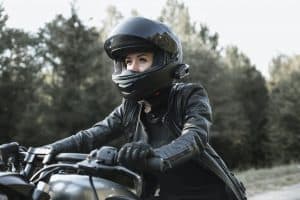
    Wearing protective motorcycle gear while riding your bike is important, safety gear should always be the first thing you think of while planning to ride on the highways.

    It’s always important to wear safety gear when riding a motorcycle for safety reasons. There are many safety features in helmets, jackets, and gloves that will help protect you from harm if you happen to happen into an accident. Motorcycle riders who don’t wear safety gear are more likely to sustain injuries or even end up dying in a motorcycle accident.

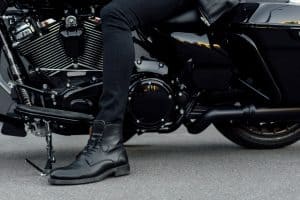
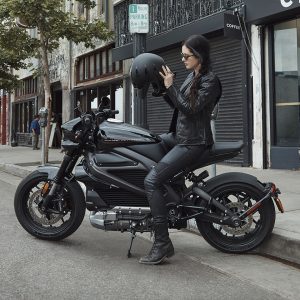
    My recommendation is to always wear a motorcycle jacket, pants, helmet, gloves, and boots every time you ride. It might seem annoying, uncomfortable or take too much time to put on motorcycle helmets, boots or a pair of gloves but that gear is what saves you in a crash. Motorcycle helmets are by far the most important piece of safety gear.

    It’s also very important to wear the appropriate safety gear for the weather conditions that you’re going to be riding in. If it’s raining, then it’s important that you wear rain-proof safety gear like rain boots, rain pants, and a rain jacket, as well as wearing safety goggles or glasses that can withstand water damage.

    Carry safety essentials

    You need to carry safety essentials with you when on a motorcycle, safety essentials include safety pins, spare light bulb kits, and safety tools. Safety pins will help in case your break down far far away from civilization while having a flat tire sidelined with no safety tools around is not safe at all.

    Spare light bulbs are a must-have because if a headlight bulb burns out, it’s dangerous for both yourself and other drivers on the road. Safety tools may come in handy when something gets loose or breaks off. You can use them to tighten screws before getting home or carrying out any repairs.

    It might seem weird for motorcycle riders to carry safety essentials on every ride, but these safety essentials will make a huge difference when you need them.

    Know your bike inside out

    Repairing motorcycle

    It’s not safe to hop on a motorcycle and not have the slightest idea of what you’re doing. You need to be an expert at handling the controls before going out on open roads. Knowing how your brake system works or how your engine works are safety-wise really important.

    You will also need safety instructions for knowing safety instructions about your safety gear like knowing where everything is located on your jacket, helmet, boots, etc… so that if something goes wrong with them you’ll be able to fix it right away without any trouble. If you don’t know how to handle safety-related stuff then I would recommend taking a motorcycle safety course.

    Stay off the phone

    Talking on your cell phone is an absolute no-no when riding a motorcycle. You never know what can happen with safety on the road, so anything that takes your safety attention away from the road should be avoided. Be smart, turn off your phone unless it’s an emergency, and always ride safe!

    Go through motorcycle safety courses

    Traffic cones on race course, Bonneville Salt Flats, during Speed Week.

    It might sound nerdy, but going through a motorcycle safety course can literally save your life! It’s safety-wise very important that you go through motorcycle safety courses so you have safety knowledge for riding safely on the road.

    Knowledge is safety, so if you know what to do if something were to happen while being out on the open roads then it’s a bonus. Though motorcycle safety courses are expensive, they are definitely worth it because your life depends on your safety skills and safety knowledge.

    Be aware of distracted drivers

    Driving being distracted is dangerous, especially if you’re not safety-minded. You can avoid safety issues by always staying focused on the road and what other vehicles are doing around you to make sure no safety hazards occur.

    It’s safety-wise very important to stay focused when riding a motorcycle. When you’re not paying attention, safety hazards can happen in an instant and it could be too late by the time you realize what is going on.

    Not talking on your phone while riding or even checking navigation will help you focus on the road and be aware of other distracted drives. Other drivers may even suddenly slam their brakes or make sudden turns without any signs because other vehicles aren’t thinking about you. Sadly, you can’t expect other vehicles to do what you expect them to do.

    A significant number of motorcycle riders involved in fatal crashes included a distracted driver hitting a motorcyclist.

    Look out for safety risks on the road

    Never ride your motorcycle in unsafe areas or areas that aren’t wide enough for two cars to drive safely side by side. Make sure that if two motorcycles drive next to each other, they can do so safely without causing any accidents with safety cars coming the other way.

    Always check for safety hazards like potholes, slippery roads/paths etc… before riding anywhere. If there’s a safety hazard present then try avoiding it as much as possible.

    Sadly, motorcyclists aren’t perfect, and we do make mistakes. Hitting or missing a pothole on a motorcycle can be the difference between fatal crashes or going home safely.

    Look for a bike with ABS safety

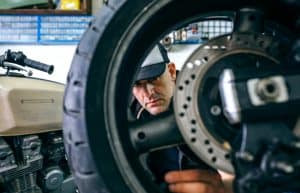
    Mechanic fixing custom motorcycle wheel

    ABS or anti-lock brakes systems are excellent for avoiding accidents and keeping you safe on the road. When braking quickly ABS kicks in to prevent your wheels from locking up, this helps you maintain control of your bike much better than non-ABS bikes do.

    If you’re planning on buying a new motorcycle it’s important to buy one with ABS included. If not, then look into getting ABS installed aftermarket since there are plenty of kits available that can help keep you safer by preventing your tires from locking up during emergency stops! Still, aftermarket ABS is expensive and it’s probably just worth buying a bike with ABS.

    If you don’t have ABS you will need to modulate the front wheel and rear wheel braking in real-time to simulate ABS.

    Be Extra Cautious In Car Parks

    Car park

    It might sound silly since you’re only going 5 mph, but car parks have some of the largest safety hazards. Look out for safe cars and also watch out for pedestrians that aren’t paying attention to their surroundings which can cause safety issues when riding through car parks.

    Car parks tend to have safety problems such as lack of safety signs, slippery ground, reduced speed limits, etc… Try staying away from crowded car parks because safety is an issue in crowded areas and it’s important to avoid safety issues when on a motorcycle.

    Avoid Riding In The Rain

    Riding in the rain can be very dangerous especially if you don’t own a safety motorcycle. Riding safety bikes means that they are built to handle safety hazards such as wet or slippery roads. If you’re not safety-minded then it’s important to avoid riding in the rain because safety issues can occur without your knowledge.

    If possible try avoiding riding on wet/slippery roads, though if you have to then make sure that safety is your number 1 priority while being out on the road! Even experienced bikers should think twice before riding in rainy weather…

    And if it’s snowing outside, don’t even think about riding!

    Conclusion

    If you’re safety-minded and careful, then there’s no reason why riding a motorcycle should be dangerous. In fact, it can even be enjoyable! We all try to avoid having a motorcycle crash, but ultimately it’s about being prepared for the unprepared.

    However, safety is still an issue for bikers which is why we’ve compiled this list of 10 safety tips to make sure your bike ride goes smoothly from start to finish. Follow these safety guidelines and always pay attention to the road so that your riding isn’t just fun but safe too!

  • Best Motorcycle Backpacks of 2022

    Best Motorcycle Backpacks of 2022

    Reading Time: 9 minutes

    A motorcycle backpack is a very important accessory for motorcyclists, whether they are going out on a long trip or a short one. Regular backpacks can often solve the problem of daily commuters but if you are looking to hop on your motorcycle and go for a long ride, you probably need a motorcycle backpack that is specifically designed for long trips.

    Moreover, if you love your bike and have invested in it and in other accessories, you should own a backpack that complements your motorcycle gear and your life as a rider.

    Here is a list of the best motorcycle backpacks of 2022, created after taking customer feedback, reviews, popularity, and other important points into consideration.

    OGIO No Drag Mach 5 Backpack

    This is one of the best ultra-aerodynamic backpacks in OGIO’s No Drag Backpack series. The backpack comes with a lot of pockets and there are expansion gussets present as well, which makes packing all your stuff in this backpack feel like a breeze.

    The streamlined shape of this backpack makes it resistant to buffeting at high speed and its aerodynamically molded exterior design gives you unmatched airflow that further reduces any drag during the ride. When it comes to features, this backpack is loaded with all the convenient ones – pocket for shoes, helmet-carrying strap, fleece-lined pocket for electronic gadgets, protective compartments for iPads and tablets, detachable hip belt with off-center attachments that prevent your bike’s gas tank from receiving unwanted scratches, a supremely designed deluxe organization panel that comes with pockets for valuables, and an adjustable load divider that helps you in even distribution of weights. The 20.5″H x 14.5″W x 7″D backpack has a capacity of 24L, which is expandable and with all these features, the backpack weighs only 3.7lbs.

    OGIO No Drag Mach 3 Backpack Stealth Black [Blemished – Very Good]

    This backpack has a slingshot molded exterior design and comes with a clamshell-type zipper that gives you the extra aerodynamic advantage on your rides.

    The backpack has advanced foam profiling that gives you unmatched air ventilation so that whenever you hit the road, there is no compromise in your comfort of riding. It has a separate pocket for shoes and the removable helmet strap allows you to free up your hands when you are not on the bike. The chest trap and the waist trap of the backpack are both detachable and it has 360-degree retro-reflective piping and logo that gives you all-around visibility and utmost safety. The interior lining of the backpack has an intense red color that helps you find even the smallest of things without wasting much time. The 19″ H x 12.5″ W x 6.5″ D backpack weighs only 207lbs and has a capacity of 18.4 L. The backpack is also hydration ready and it can fit most 15” laptops comfortably in its padded laptop sleeve that comes with an elastic closure.

    Buy Here

    Kriega R15 Backpack

    This backpack comes with a uniquely designed strap system that firmly puts the bag on your back but does not hinder your driving style or comfort when you are riding on your bike.

    The backpack has a capacity of 15L and comes with a 4-point pack compression feature.  It has organizer pockets, front sleeves, detachable waist strap, zipped inner mesh, integrated QUADLOC harness chest traps, and inner reservoir pockets that have 2-point pack compression. The innovative QUADLOC LITE harness gives you the convenience of a ‘one click and out’ feature and the angle of the harness is intentionally kept away from your armpits to give you that extra freedom of movement on your rides. The size of the top harness can also be adjusted accordingly to give you the optimum fit and the most suitable ‘backpack position’ on your back. The 16.9″ H x 9.8″ W x 5.9″ D backpack comes with an unmatched 10 Year Warranty that offers you peace of mind even when something goes wrong.

    Buy Now

    Kriega R20 Backpack

    This backpack from Kriega has an extremely well-designed buckle system that makes sure the backpack stays firm on your back when you are riding at a high speed, and at the same time, its aerodynamic characteristics do not make the backpack interfere in any way with your movements.

    The backpack is specifically designed for ‘active’ riding and therefore, the intelligent design of the buckle and the QUADLOC LITE harness system. Instead of angling under your armpits, the angle of the harness stays away from the conventional position to give you the most freedom in your movements. Once the harness is set, there is no need for unnecessary adjustments on conventional lock systems, which makes it an exceptionally convenient feature of the backpack. The backpack has a capacity of 20L and comes in the dimensions of 18.5″ H x 11″ W x 5.9″ D. It has a warranty period of 10 years which definitely makes this backpack a popular choice among the ‘active’ riders.

    Buy Now

    Kriega R25 Backpack

    This backpack from Kriega is mid-sized and has dual chest traps to it, for a firm but convenient support during riding. The backpack is ergonomically designed using advanced technology to free you up from any bothering arm restrictions during the long rides.

    The QUADLOC LITE harness system is an innovation from Kriega in the rucksack industry that is tried and tested for its quick-release feature. The harness is uniquely designed for efficient load-bearing and unlike the conventional systems, the weight of the load does not fall on your shoulders but on your hip and chest. This helps to keep your neck muscles free of any strains in the long run. The side-access pockets of the backpacks have a 4-point pack compression system and the fabric which is used is 5mm SUPERSPACE (airspace) fabric.  The outer pockets of this 25L capacity backpack are expandable and the internal magazine sleeve can accommodate most laptops of 14”. The backpack is fully hydration compatible with the hydration tubes coming out and over the shoulder of the backpack, through a hidden duct, located at the top center of the primary compartment. The backpack comes in a dimension of 20.5″ H x 11.8″ W x 6.3″ D and has a 10-Year warranty period.

    Buy Now

    Kriega R30 Backpack

    This backpack comes with a uniquely designed chest buckle harness and a waterproof main compartment. With this backpack on your ride, you can brave the harsh rains and keep all your belongings safe and sound, no matter where you go or how long you ride.

    The backpack is 100% water resistant and has a 6-point pack compression feature with 2 outer zipped pockets which are water resistant as well. The QUADLOC LITE harness relieves your shoulders, armpits, and neck muscles from excessive strain and allows you total freedom of movement for your long-distance rides. The backpack has a capacity of 30L, which makes it accommodating for all kinds of stuff, and can even fit all laptops in its laptop compartment that are 17” or less. It has a dimension of 19.3″ H x 11.8″ W x 8.3″ D and comes with an integrated 3M Scotchlite reflectivity. Made specifically for bikers, the backpack also has a 10 -warranty period.

    Buy Now

    KTM PowerWear Team Baja Hydration Pack

    This backpack is made for racing or speedy rides. The aerodynamic design helps in reducing drag at high speed and the weight of the backpack makes it a favorite among riders.

    All the compartments of the backpack are spacious enough for storing all your belongings, from your cargo and accessories to your tools and food. The backpack has a capacity of approximately 8L and the dimensions are 16″ H x 10″ W x 5″ D. The 100% nylon material gives it the durability that all riders need for their bike gear. The backpack weighs only 1.8lbs but when it comes to storage, you will be surprised to see its actual capacity. The backpack fits perfectly on your back, whether you are wearing the armor or not.

    Buy Now

    Klim Nac Pak With Shape Shift 3 Liter Hydrapak

    This backpack is specifically designed for riders who love going long distances. The ergonomic design of the backpack reduces any drag that you can encounter at high speed and allows you to go that extra mile without compromising on the comfort front.

    The backpack is loaded with features that are most important to any rider – big cargo-carrying capacity, accessories carrying convenience, and quick access to tools storage. In addition to the tool storage pack of the backpack which is water-resistant and detachable, it has external storage for shovels and is large enough for small and medium-sized laptops. The shoulder straps of this backpack are inspired by racing and therefore, they are designed intelligently to integrate into your sternum as side straps, without putting excessive pressure on your hips. The 3L Hydrapak of this backpack comes with shift bladders that can be accessed quite easily while riding.  

    Buy Now

    Givi EA104B / EA104GR Easy-T Backpack

    A T-shaped backpack that can completely fit your helmet and can still have a comfortable place for your laptop and other belongings.

    The most unique feature of this backpack is that you can free up your hands completely by keeping your helmet in the backpack’s convertible compartment. The capacity of the backpack is 17L but the convertible feature makes it expandable up to 24L. The backpack comes with reflective piping and a fine raincoat cover that keeps your belongings and valuables safe from the harsh rains. The helmet-carrying pouch is what makes this backpack a popular choice among riders. The laptop compartment of the backpack fits most laptops that are 13” or less. The dimensions of the bag are 16.9″ H x 16.5″ W x 5.5″ D and in its fully expanded state, the diameter expands to 9.5″ from 5.5”.

    Buy Now

    Icon Crosswalk Backpack

    The aerodynamic design of this backpack makes it a favorite among regular riders. It comes with reflective webbing and a separate helmet carrier system that has a tether clip attached to it for locking up the helmet.

    The size of this backpack is absolutely perfect. It’s neither too big for your comfort nor too small for your belongings. The capacity of the backpack is 18L, which makes it the right choice for daily commuters or for a short trip. The backpack comes with padded straps that are specially designed and contoured to give you the utmost comfort on your two-wheeler. Another great thing about the straps is that you can unbuckle them as per your wish. The straps can even be unbuckled to suit your convenience. For instance, you can easily strap it on when wearing heavy armor for the ride. The aerodynamic design is also great and reduces any drag when you are at high speed. The dimensions of this backpack are 20″L x 13″W x 7″D, which is an add-on to its convenience and comfort.

    Buy Now

    The Bottom Line

    Choosing the best motorcycle backpack for 2022 is not very simple as you have to keep in mind everything from the smallest details of your requirements to your specific riding style. This list will save you the trouble of spending extensive time looking for the perfect backpack that suits your style and expectations.

    All the backpacks listed here are specifically suited for bike rides and contain all the features that a biker expects a comfortable backpack to have. So, what are you waiting for? Browse through the list and choose the backpack that’s the perfect fit for you to make your next ride more thrilling and enjoyable.

  • Transporting a Motorcycle Without Riding: 5 Different Ways

    Transporting a Motorcycle Without Riding: 5 Different Ways

    Reading Time: 5 minutes

    There are heaps of reasons a biker might be needing to transport a motorcycle without riding it. Maybe you’ve just bought a bike online from someone in another state, maybe the bike itself can’t run or you’re moving cross country and don’t want to ride your bike down with you, you’d rather fly.

    If you don’t know what you’re looking for when transporting a motorcycle, it can be a very difficult task if you don’t know the process. Luckily, we have 5 ways of transporting a motorcycle that doesn’t require you to ride it!

    5 ways to transport a motorcycle

    1. Hire a Trailer/Pick-Up
    2. Put Bike in a Moving Truck
    3. Freight Company
    4. Independent Hauler
    5. Professional Motorcycle Shipper

    Hire a Trailer Or Pickup Truck

    Hiring a trailer or pickup truck is the best option for transporting your bike in the same city. For example, you’re moving across town or across town for a couple of days.

    If you have a friend or family who is willing to help you out by giving you a hand with the moving process of your motorcycle, all you need is a pickup truck and trailer.

    You want to make sure the bike doesn’t get damaged, but you don’t necessarily want to drive it all around or leave it in some parking lot while you are away.

    The pickup truck option is the best choice if you have some friends who can help you load and unload. Don’t forget insurance – Hiring a trailer is generally cheaper than hiring a pick-up truck and they come with insurance and roadside assistance included, so make sure that’s part of the deal too!

    You can use a flatbed trailer that has been made for motorcycles, which will allow your bike to be strapped down securely while being towed.

    A pick-up bed can also work just as well if it’s long enough, just ensures the tailgate locks so that it doesn’t come open mid-drive. A pickup is definitely higher & harder to get the bike onto than a trailer, but if you’re on a budget and just need to get it moved across town, you can’t go wrong.

    When using a pickup or trailer it’s really up to you to make sure that you’ve strapped down your bike well enough. You don’t want your bike to start flying around while you’re driving or when you stop, so make sure it’s strapped down with proper trucky straps.

    Put Bike in a Moving Truck

    If you’re moving house and have hired professional movers consider asking them to put your bike in the back of the truck with the rest of your stuff. A lot of movers will be fine to do this as standard.

    But some movers will charge extra for this service, but if you’re able to get it free – it’s the most convenient option out there. There are no fees for renting a trailer, finding parking, insurance, etc… And let’s face it – how many people do you know with a moving truck? Not many!

    You’ll also need to ensure that your bike is safe and secure while being transported inside the moving truck. It’s a good idea to ask the moving company if the bike is also insured in the move.

    Another good idea would be strapping the bike down into a wooden crate to keep it safe, so the truck doesn’t get too crazy while driving.

    Freight Company

    If you’re moving a bike cross country or buying/selling a bike from another city then a freight company might be the way to go. Sometimes a shipper will be the best option if you’re moving somewhere long distance and need an option other than flying with it.

    Most freight companies can pack up your bike for you, and have it shipped directly to their new home so that when they get there all they’ll have to do is take the box off the truck, take it inside, and ensure it arrives perfectly in one piece.

    The only downside about using a freight company is how much it’s to cost you!

    Most major freight companies will charge you based on distance and weight, but it’s also important to realize that motorcycles are high-value items so their fees will be higher than a standard freight truck.

    Freight companies can pack the bike for you and ship it to your new home, but they might ask if you want to do it yourself to save some money.

    Independent Hauler

    Another good option for transporting a bike is an independent hauler. An independent hauler is someone who will haul just about anything from one place to another for you.

    They typically charge based on weight but if it’s a short distance they may take the full load and do it for a flat fee, which can actually work out cheaper than using a trucking company.

    Usually, independent haulers have their own trailers or trucks so you don’t have to worry about renting or buying your own – they’ll bring their own!

    Basically, an independent hauler is a good option if you need a cheap way to transport something long-distance without leaving it in a parking lot somewhere.

    Professional Motorcycle Shipper

    If you are after the most hands-off, best service, simplest and best solution, then a professional motorcycle shipper might be right for you.

    Professional motorcycle shippers such as Motorcycleshippers are experts at what they do and you can rest assured that your bike will be handled with care & quickly transported to its destination without any hassles.

    As a professional motorcycle shipper, Motorcycleshippers will pick up the bike from where it is; whether it’s in another city or state, or if it’s still on the showroom floor! They will then transport the bike securely & safely to their chosen location and deliver it directly to your door.

    A professional motorcycle shipper like this will not only save you time and money but you’ll also have one less thing to worry about when transporting a motorcycle.

    If your bike is your prized possession, go with the pros. You won’t regret it.

  • Motorcycle Chain Tension: Too Tight Or Loose

    Motorcycle Chain Tension: Too Tight Or Loose

    Reading Time: 4 minutes

    For most motorcyclists a motorcycle chain is just there, we know what it does, but we don’t really need to consider its tension. However, if we want our motorcycle to run in the best possible way, knowing a little more about your motorcycle chain’s tension can help!

    Why is your motorcycle chain tension important?

    The tension of a motorcycle chain is an important factor in the smooth running of your bike and its longevity. The purpose of a motorcycle chain is to drive the rear wheel. It is a system of gears that transmits rotation and power from the engine through the transmission and to the rear wheel with as little loss as possible.

    With your motorcycle chain, you can change gear ratios and multiply torque so you can go fast or slow depending on the circumstances. However, if your chain is too loose it will slip and wear out quickly, but too tight may lead to serious damage such as melted chains!

    What will happen if your motorcycle chain is too tight?

    If your motorcycle chain is too tight it will put more strain on the drive train components which will lead to increased wear and tear. If your bike has an aluminum chassis this can be particularly bad news as the added force may cause bending or snapping! If your bike doesn’t have an aluminum chassis then your chain might just keep slipping off, or if left for a long period of time it could stretch making all future adjustments useless.

    What happens if my motorcycle chain is too loose?

    A loose chain will do exactly what you expect it to do! To go back to our car analogy, think about driving without putting your seat belt on – you could get in serious accidents if anything were to happen! Not only does a sliding chain mean that your motorcycle will not be running in the most efficient manner, but it also means that your sprockets can end up getting damaged or worn down.

    How long does a motorcycle chain tension last?

    The average new motorcycle chain tension will last 3000 miles but for an older chain, you would want to check tension every 750 miles.

    If you’re not sure how to check your motorcycle chain tension, a good option is to take your bike to a local mechanic’s workshop or dealer. They will be able to inspect the quality of your chain and fix any problems that might arise within 5 minutes! This way you can feel safe knowing that you are riding on a fully functional machine!

    How do I keep my motorbike chain tension optimal?

    Keeping a check on a motorcycle’s chain tension means checking it before every ride. The best way to do this is to push down on the rear suspension as hard as possible just before you jump on your bike. If you have been adjusting your motorcycle’s chain tension yourself then you should be looking at about 1/4″ – 3/8″ of movement if you put the bike in 6th gear (the gear closest to your ground) and pull hard on the suspension.

    Now, I’m not suggesting you need to tighten or loosen every time you want to go for a ride, but if you often find yourself adjusting your chain’s tension then it’s either too tight or too loose.

    If you’re finding that it is constantly either too tight or too loose then there is most likely something wrong with your chain adjustment system. If this happens, take your bike to your local motorcycle mechanic! They’ll sort out any problems that you might have with your chain tensioner within 5 minutes and without breaking the bank!

    Can I adjust my own motorcycle chain tension?

    You can definitely adjust your own motorcycle chain tension. Adjusting your own motorcycle chain tension is not as easy as putting up an Ikea bookshelf but it certainly isn’t hard either.

    Watch the following video for a full tutorial

    Conclusion

    Keeping your bike chain tension in check is essential for keeping your motorcycle in top condition! Remember that too tight is bad and too loose may cause damage, so by checking it before every ride you are being proactive about the longevity of your motorcycle.

  • Learning To Ride Motorcycle: 5 Ways To Teach Yourself

    Learning To Ride Motorcycle: 5 Ways To Teach Yourself

    Reading Time: 5 minutes

    Many motorcycle riders have successfully taught themselves how to ride a motorcycle. In the past, the majority of people had to learn on their own how to ride a motorcycle because of a lack of alternatives.

    It’s just that riding a motorcycle although, is similar to riding a bicycle, but a bit more dangerous. So, you have to be careful and like all driving lessons, you need to keep your senses sharp and be completely aware of your external surroundings.

    The best way to teach yourself to ride a motorcycle is to hop on an actual motorcycle with an experienced rider present.

    However, if you are determined to learn to ride all by yourself, you can teach yourself the basic skills of how to operate a motorcycle with books and videos as resources.

    5 Ways to Teach Yourself How to Ride a Motorcycle

    • Get Yourself Proper Motorcycle Gear
    • Go to an Off-Road Park
    • Practice on Dirt Pits or Trails
    • Read Books and Watch Training Videos
    • Get a Cheap Motorcycle to Practice On
    • Be Patient

    Get Yourself Proper Motorcycle Gear

    Riding a motorcycle is not exactly like riding a bicycle. You should teach yourself how to ride a motorcycle with the proper gear, including thick boots, gloves, long pants, and padding in all of your joints and ribs.

    Make sure you can’t feel anything uncomfortable when you walk around wearing all of your motorcycle gear. If something pinches or feels highly uncomfortable, the gear probably is too small or ill-fitting for serious riding.

    It does not matter whether your gear matches your motorcycle or you look good in it. What matters is that every part of the gear protects you from an injury in the event of an unfortunate accident.

    Go to an Off-Road Park

    An off-road park is a great place to teach yourself how to ride a motorcycle.

    Off-road parks teach you how to move beyond simple riding in a straight line and also teach you how to go over bumps, curves, hills, and jumps without going too fast or losing control of the bike. An experienced rider can give you pointers on how they do it by watching your progress from a distance.

    Do not teach yourself how to ride on a busy street, especially if you are learning by yourself. This is because it will be difficult to learn the right skills without the help of an experienced rider.

    Practice on Dirt Pits or Trails

    You can teach yourself how to ride a motorcycle without the help of another person by practicing your skills on dirt trails or pits. You may need someone to teach you how to shift gears properly before you teach yourself how to do so, but after that, it is all up to you.

    Practice riding at slow speeds while leaning over the handles and not using your breaks. Once you get used to maneuvering your motorcycle in this way, practice accelerating while still leaning over the handlebars until it feels comfortable for you. Then learn how to put the brakes on, without crashing into anything else around you.

    Read Books and Watch Training Videos

    Many people teach themselves how to ride a motorcycle by reading books and watching training videos.

    There are many different ways you can teach yourself how to ride a motorcycle with the help of books, including buying a book on bike riding, setting up your classroom environment, or even getting an online guide.

    Even if it seems that all of this information is useless to you at first glance, teach yourself what is useful and ignore the rest. There are a lot of videos on Youtube to help you out with but whenever you are learning from books and videos, you must take everything slowly, and use your common sense. Do not rush ahead too quickly!

    Get a Cheap Motorcycle to Practice On

    If you do not have the money right now to buy a good-looking and expensive motorcycle, it’s a boon for you, especially if you are looking to teach yourself how to ride a motorcycle.

    A cheap, inexpensive motorcycle can teach you useful skills. The motorcyclist skill development process is the same as any other type of vehicle learning. You have to teach yourself how to take it easy at first, and progress to speedier driving as you get more familiar with the feel of the motorcycle.

    With a cheap motorcycle, your first experiments will never be too risky since all you are risking is less money for this learning experience. There are many people out there who teach themselves how to ride using this method and they teach themselves successfully because it is easier for them to make mistakes on a used or a smaller bike.

    Be Patient

    One great thing about teaching yourself how to ride a motorcycle is that it teaches you how to be patient by fine-tuning your senses.

    Teaching yourself how to ride can be difficult, even if you think you are ready. If at any point something feels hard or confusing, give yourself some time off before starting again.

    Even if it means taking a day off from learning your self-riding skills. Come back tomorrow with a fresh mind and more patience on your side. You will be much more prepared in your mind, in that way.

    Conclusion

    Learning motorcycle skills can be done in many different ways, such as watching instructional videos or learning from another person.

    Read books about riding motorcycles, watch training videos, and on top of everything, practice as much as possible.

    Practice at slow speeds on dirt pits and trails, and take your time mastering each skill instead of rushing forward. For your practicing and learning days, always settle for an inexpensive motorcycle so that even if an accident happens, it does not burn a hole in your pocket, besides giving you physical injuries.

    Always use good quality protective gear and be very careful when you teach yourself how to ride a motorcycle. You do not want your first experience on two wheels to end in a bad way!

  • Motorcycle Deaths: How Many Motorcyclists Die Each Year? Worldwide

    Motorcycle Deaths: How Many Motorcyclists Die Each Year? Worldwide

    Reading Time: 6 minutes

    In the year ending April 30, 2021, 229 motorcycle-related deaths were reported in Australia. As reported by the National Highway Traffic Safety Administration, 5014 people died in motorcycle accidents in the USA. According to WHO, India has the highest death rate due to bike crashes.

    When it comes to motorcycle injuries, most developing nations keep it underreported. Globally, motorcycle accidents are responsible for a significant proportion of overall road traffic injuries and fatalities. Amongst all accidents, most occur in developing nations. Sadly, deaths from motorcycle crashes are dramatically increasing EVERY YEAR! 

    When compared with cars, motorcycles are much less stable due to their high-performance capabilities. As its rider lacks the protection of an enclosed vehicle, when it crashes, they are more likely to get injured. According to a report, motorbikes account for around 0.6% of all vehicle national miles driven but account for more than 14% of road fatalities in the US. Though there are many reasons for this high rate of fatalities with motorcycle crashes, the most common one is that the other colliding vehicle didn’t see the bike until it was too late. 

    Are Motorcycle Deaths Rising Or Falling?

    In Australia, 210 motorcycle crash deaths were reported in 2019. Though the overall death rate was higher than 2018,  2016 was the peak as in that year the death rate from motorcycle accidents reached 249. Amongst all accidents on Australian roads, motorcyclists account for 27% of serious injuries. 50% of such injuries are due to multi-vehicle crashes and thus, are more fatal than single-vehicle crashes. According to the World Health Organization (WHO), head injuries are the primary cause of deaths in motorcycle crashes. 

    Presently, the rate of death due to motorcycle accidents is around 4.5 per 100,000 individuals. According to the data, people of the age group between 40–64 have the highest fatalities. In Australia, both 2014 and 2018 had the lowest death cases (192 fatalities) due to motorcycle crashes. 

    Just like Australia, in other parts of the world like in America, around 5014 motorcyclists died in motorcycle accidents in 2019. Though after 1980, deaths due to bike crashes significantly declined, it again started increasing from 1998 and continued through 2008. According to a report, in 2019, fatality due to motorcycle crashes accounts for 14% of all road accident deaths, which is more than double the number of motorcyclists’ deaths in 1997. 

    In developing nations like India, Malaysia, Myanmar, Thailand, Indonesia, and many more, the number of motorcycle-related death cases is staggering. The number is running into the millions in total. For example, in the year 2001, the number of motorcycles in Vietnam increased by 29%. This growth percentage increased the number of road traffic deaths by 37%. 

    What Causes Most Motorcycle Deaths?

    Though there is a number of reasons that can cause motorcycle crashes, some of the common ones are as follows: 

    • One of the important causes of motorcycle crashes is unsafe lane changes. In most cases, a driver collides their vehicle with a motorcycle when they fail to understand their blind spot. Many times, they also miss out on signals while changing lanes that result in collisions. 
    • Speeding is one of the leading causes of road traffic accidents, especially motorcycle crashes. As a motorcycle is a more high-performance vehicle than a car, speeding might reduce the driver’s control over it. Speeding also reduces the chances of seeing and reacting to obstacles and other vehicles in time. Thus, it is always advised to maintain a controlled speed while riding a bike. Remember, the higher the speed of the motorcycle, the more severe the impact and the consequences. 
    • Driving under the influence of drugs or alcohol can be fatal. Also, driving under the influence of drugs or alcohol is a criminal and social offence. Thus, always drop the idea of drinking while driving, as it can be life-threatening.
    • Riding a motorcycle is fun. However, if you are breaking the rules of driving to make the ride more adventurous, it can be fatal. One of such adventurous practises that many motorcyclists practise is lane splitting. Lane splitting is about driving between two lanes. The practice is not only illegal in most countries but also increases the chances of head-on collisions. 
    • The helmet is one of the most important gears that every motorcyclist must wear while riding. According to the National Highway Traffic Safety Administration, for every 100 motorcyclists killed in crashes, 37 die because of not wearing helmets. A good helmet decreases the chances of head injury due to crashes. 
    • Collisions between vehicles taking left turns and motorbikes are very common. Driver’s distraction, low visibility, speeding, etc. are the causes of left-turn accidents. To avoid such situations, it’s important for both the motorcyclist and the car driver to obey the traffic rules. 
    • Lack of motorcycle maintenance is another factor that might cause road accidents. Thus, before hitting the roads, it is important for riders to check if their bikes are in good condition. Check engine performance, tyre pressures, and other technicalities before starting off your journey. Consider taking your motorcycle to professionals for regular services. 
    • Potholes, crumbling roads, lack of necessary signs and signals can make a motorcycle ride dangerous. It can increase a rider’s chance of losing control of their vehicles and might cause serious accidents and even deaths. 

    Which Countries Have The Highest Number Of Deaths?

    Compared to other road accidents, motorcycle crashes account for the highest death rate around the world. Every year, it runs into the millions in total. Though it is a global concern, there are a few countries in which deaths due to motorcycle crashes are higher than the rest. Here’s the list:

    • India is the country with the highest number of deaths due to bike crashes. According to WHO, 33% of total traffic-related deaths are attributed to bikes. Though the percentage is low, in terms of mere numbers, it is 98,700 every year
    • Thailand has dangerous roads and here,  motorcyclists are known for their harsh riding. The country accounts for a 74.4% death rate amongst all road traffic death cases. 
    • Indonesia has the largest motorcycle market in the world. More than half of the population here owns a vehicle, especially motorcycles. However, only 71% of motorcyclists in Indonesia wear helmets. The country accounts for 73.6% of death cases due to motorcycle accidents. 

    Countries, where motorcycles make a large proportion of traffic, have the highest motorcycle-related death cases. For example, in the UK, motorcycles or scooters constitute a small section of road traffic and thus, it has only 20.5% of death cases due to motorcycle crashes. Here’s the list of the top 10 countries with the highest proportion of death cases due to motorcycle accidents. 

    1. Thailand- 74.4%
    2. Indonesia- 73.6%
    3. Cambodia- 73.5%
    4. Republic of Togo – 71.6%
    5. Dominican Republic – 67%
    6. Myanmar – 64.8%
    7. Malaysia – 60%
    8. The Republic of Benin 56.5%
    9. Colombia – 52.5%
    10. Paraguay – 52.2%

    Unlike car accidents, motorcycle accidents are much more dangerous and fatal. If we just consider the United States, bikes and scooters account for 3% of all the registered vehicles, yet they have a high number of traffic fatalities and injuries. Motorcyclists have the risk of fatal crashes that is almost 35 times greater than any other vehicle. 

    However, the fatality rate across the globe can be reduced with better motorist awareness. Safe riding practices, along with cooperation from road maintenance authorities, pedestrians and other vehicle drivers, can bring down the fatalities and injuries significantly. Vehicle drivers should also be aware of the safety challenges of motorcyclists to avoid crashes. At the end of the day, a sound awareness on the part of motorists, both riders and drivers, can make the experience much safer. 

  • Motorcycle Philippines Rentals: How Much for a Philippines Motorbike Vs. In The USA

    Motorcycle Philippines Rentals: How Much for a Philippines Motorbike Vs. In The USA

    Reading Time: 4 minutes

    Everyones heard about how cheap and awesome of a holiday a riding trip through the Philippines are. But how much does it actually cost to travel and motorcycle in the Philippines & more importantly how much does it cost to rent a motorcycle in the Philippines?

    In the Philippines, the daily rental ranges from PHP 250 to PHP 600 for a 125cc motorcycle. On the other hand, in the USA, it starts from $75 and can go up to $250 per day. However, the rates vary from one destination to another and depend upon the season and of course your skills to negotiate. 

    Renting a motorcycle in the Philippines is a great idea for travelers who love independent trip experiences. And if you are one of those, you are on the right platform. 

    If you are traveling to large cities like Cebu or Manila, renting a bike is easy and moderately affordable. However, the scenario might change if you are traveling to small towns and less popular places. Renting a motorcycle can be both expensive and complicated in such places. Moreover, the Philippines has an extensive group of islands and thus, even if you rent a motorcycle, you can travel only to some limited destinations. Unlike larger islands, renting a motorbike on a smaller island is not only easy but economic as well. It allows you to move around the island more conveniently because of the short distances. 

    On the other hand, in the USA, the scope of renting a motorcycle is much more convenient. Just like cars or any other vehicle, motorbikes too can be rented from nationwide agencies. Due to the increasing interest in motorcycle rides, motorcycle rentals have increased significantly over the recent years. Thus, in the US, it’s easy to find rental programs by major bike manufacturers and rental shops according to your budget and requirements. 

    Motorcycle Rental in the Philippines

    To explore the islands of the Philippines, a ferry and motorbike are the most convenient options. As Filipinos are friendly in nature, on your arrival, they will guide you about finding a motorcycle for rent. 

    However, if you are a biking enthusiast and love riding bikes with 800 cc or more, you might struggle to find a bike of your choice. Most of the bikes that you can hire from rental agencies are of low mileage, of around 125–180 cc. Thus, if you are not used to driving low cc bikes, avoid renting them. Also, the Philippines is a foreign country with its own set of traffic rules. For a new traveler, new traffic rules and jams might ruin your interest and make your ride tedious.

    Some of the common motorcycle brands that you can rent in the Philippines are Honda and Yamaha. These bikes mostly come with a 125 cc mileage and have plastic bodies. These motorcycles are good for two people. 

    The rental rates of these bikes depend on the rental duration, brand, mileage, and location. In the Philippines, the daily rental of bikes ranges from PHP 250 to PHP 600. However, if you rent it for a week, the price can go down and you might get PHP 300–350 per day. If you are renting the bike from the resort you are staying at,  they might charge you an additional PHP 50–150. 

    Looking for a big motorcycle with greater capacity and mileage in the Philippines? It is a rare pleasure to rent bikes of brands like BMW, Moto Guzzi and Harley-Davidson in the Philippines. There are very few rental companies that deal with motorcycles bigger than 200 ccs. 

    Motorcycle Rental in the USA

    When it comes to renting motorcycles in the US, it’s easy and convenient. Motorcycle rental cost in America varies from state to state and city to city. However, typically the rate ranges from $75 to $250 per day. If you are renting a bike for a week, it starts from $500 and goes up to $1500 per week. In the US, the rental prices of bikes depend upon various factors like the model or the brand of the bike, the mileage and the power, the location, accessories included, and so on. 

    In the USA, there are plenty of options to rent a motorcycle. Major motorcycle manufacturers have their own rental programs. Besides these, there are plenty of other sources from which you can rent a bike. Some of the common sources are as follows:

    • Bike rental shops
    • Authorized rental dealers 
    • Bike rental applications
    • Peer-to-peer bike rental websites

    Besides costs, rental businesses also charge their customers with security deposits. When you drop off the motorcycle in a good condition, the deposited money gets refunded. Again, the amount of the deposit depends upon the motorcycle and the insurance you are choosing. 

    Conclusion

    Motorcycle tourism has truly taken off around the world, including the Philippines. Rental bikes make it easy for travellers and tourists to explore a new place. Thus, if you are an international tourist visiting the Philippines, learning about motorcycle rentals can help you to set your budget accordingly. Understanding the pricing and the facilities can help you to plan your holidays successfully. 

  • What Are The Most Common Causes Of Motorcycle Injuries?

    What Are The Most Common Causes Of Motorcycle Injuries?

    Reading Time: 6 minutes

    When compared with other vehicles, riding a motorcycle is challenging and risky at the same time. They are more crash-prone than other closed vehicles. However, it is a fun mode of transportation all the same. And so, motorcycle riding is risky, yet, is one of the favourite pastimes for motor enthusiasts and adventure lovers. 

    Speeding or reckless driving, unsafe lane changes, intoxication, lane splitting, hazardous road conditions and so on are some of the common causes of motorcycle accidents. However, among them all, the most common cause is other drivers’ failure to notice motorcycles on the road. 

    According to various studies, the chances of fatality are 29 times more in motorcycle accidents compared to car crashes. A motorcycle is less stable than other cars and motorcycle operators lack the surrounding protective structure of an enclosed vehicle while riding. In most cases, during a collision, riders are typically thrown out of the motorcycle which could cause severe or fatal injuries and even death. Operating a motorcycle requires the coordination of both physical and mental skills, which is not precluded while operating a motorcycle. Due to the challenges involved in operating a bike or a scooter, motorcycle accidents and their outcomes are more severe than car accidents. 

    Common Causes of Motorcycle Accidents

    Motorcycle Accident

    Motorcycle crashes are inherently far more dangerous than any other traffic accident. These accidents might cause major or minor injuries depending upon the severity of the accident. From lacerations, minor cuts and broken bones to spine, neck and traumatic brain injury, motorcycle accidents can cause various injuries to the rider. It is important to remember that unlike cars or any other enclosed vehicle driver, motorcyclists do not have the added safety of seatbelts, airbags and enclosures. Thus, it is important for every motorcyclist to follow certain basic safety measures to minimise the chances of crashes. 

    However, to practise the regular safety measure while riding a motorcycle, the motorcyclist must be aware of the common mistakes or causes of accidents. Though there are several other reasons that can be noted, here we have listed the common ones.

    Left Turn Accidents

    Cars making left-hand turns are one of the common causes of motorcycle accidents. When a car making a left-hand turn comes across a motorcycle, it becomes tough for the rider to keep their motorcycle stable and steady. Among all accidents, cars making left-hand turns account for 42% of all accidents. Though these accidents can occur with different vehicles as well, it’s more common with motorcycles because of their smaller size and less visibility. In most cases, car drivers make misjudgments of distance while taking left turns and cause such accidents. 

    Motorcycle Lane Splitting

    Driving between two lanes can be too dangerous for bikers. Lane splitting is a common motorcycle accident cause for riders. Though this practice is illegal in most parts of the world, bikers go for lane splitting during traffic jams. During lane splitting, other vehicles might suddenly come close to the motorcycle and cause an accident. Remember, motorcycles have less ss space to manoeuvre around cars and thus, such actions can lead to severe accidents. 

    Lane Switching

    Switching to the wrong lane is another reason behind motorcycle accidents. Such accidents take place when you are riding on a four-lane road and the car next to you suddenly changes its lane. As motorcycles are comparatively smaller in size, they easily fall into the car driver’s blind spot, leading to severe accidents. To avoid such instances, motorcyclists must be able to see the car’s mirror. While riding, if you can see yourself in the mirror of the car before you, it means that the driver can see you as well. However, if you are caught in the wrong spot by vehicle drivers, either slow down or speed up to get out of that spot. 

    Speeding and Reckless Driving

    Accidents are more likely to happen when either the motorcycle or the other vehicle is speeding or driving aggressively. Speeding makes it tougher for the biker to have full control over the bike. The high speed makes it challenging for both the motorcycle and the other vehicle to see or react to prevent a collision. Thus, it is always advisable to maintain a controlled speed while riding a bike. Remember, the higher the speed of the motorcycle, the more severe the impact and the consequences. 

    Intoxication

    Driving under the influence of drugs or alcohol is dangerous. According to a report, in 2019, among motorcyclists who died in crashes, 30% were alcohol-impaired. Remember, drinking and driving is both a criminal and social offence. So, while riding your bike, drop the idea of alcohol consumption or any other intoxication, as it can cost you dearly.

    Head-On Collisions

    A head on collision between a motorcycle and another vehicle is one of the common reasons for motorcycle injuries and deaths. Head-on collisions constitute around 56% of deaths from motorcycle crashes. In the majority of cases, such accidents are fatal for motorcyclists. Apart from head-on collisions with other vehicles, collisions between bikes and fixed objects are the reasons for motorcycle accidents. To avoid such accidents, motorcyclists must be able to read the road ahead, drive to the right, control the speed and ride off the road. 

    Hazardous Road Conditions

    Potholes, crumbling roads, and lack of necessary signs and signals can make a motorcycle ride dangerous. It can increase a rider’s chance of losing control of their vehicles and might cause grave accidents even leading to death.

    Motorcycle crashes might result in dire consequences. Injuries from such accidents can be life-changing and may impair you for life. Thus, to avoid crashes or accidents while riding, always follow the safety measures like wearing proper garments, and helmets, ensuring motorcycle maintenance and so on. Also, make yourself updated regarding the traffic rules and regulations to make the road a safer place. 

    Conclusion

    Motorcycle Drivers Protective Gear

    Alcohol use, abrupt stop, dangerous road conditions, and road rash are some of the most common causes of fatal injuries. Countless motorcycle accidents are reported on motorcycle accidents result for many Americans due to road hazards.

    Motorcycle riders must wear protective gear, consult with a law firm and build attorney client relationship to get legal advice related to speed limit, tire hits from loose gravel, slippery surfaces riding protection other tips to prevent further injury and keep other drivers safe too.

  • Top 25 All-Time Favourite Motorcycle Sayings, Phrases & Slang

    Top 25 All-Time Favourite Motorcycle Sayings, Phrases & Slang

    Reading Time: 8 minutes
    Pipes Sound Sweet Traditional Motorcycle Sayings

    Motorcycles are a form of recreation, an art form, and have come to represent more than just transportation. Motorcycle Clubs have become the largest international social club in the world with over 1 million members worldwide. The club members live up to different motorcycle phrases that are an all-time favourite among riders. Club members will never stop riding and cherish their first motorcycle from exclusive motorcycle dealers.

    The most popular motorcycle clubs are The Hells Angels Motorcycle Club, Bandidos Motorcycle Club, Outlaws MC, Mongols MC, and Pagans MC. Each club is different but they all share common ideals such as brotherhood, charity work for their communities & families as well as law enforcement support. Only a biker can enjoy the freedom and responsibilities of a long motorcycle ride. Motorcycle maintenance is an integral part of a riders life who treats the bike like family. The goal is to never stop riding motorcycles. Old riders refer to their bikes as bad boy quality two wheels.

    Motorcycle riding has its perks and responsibilities. A motorcycle rider understands motorcycle functions that make a good rider. Motorcycle riding creates a plethora of opportunities for young riders. Motorcycle dealers closed down many groups that are unethical.

    This article will explore some of the phrases you may hear if you ever enter into a conversation about motorcycles or meet someone who rides one.

    25 Motorcycle Phrases & Slang

    motorcycle sayings by riders

    I’m rolling: this phrase means that the biker is going for long motorcycle rides. This phrase may also be used in replacement of a full sentence such as “I’m rolling to…(the store, the bar, etc.) It is truly a tough and macho thing to do.

    You were right behind me, weren’t you?: Another way for a biker to identify another motorcycle rider with this question is if they were to pass the same motorist again, chances are that rider may not remember what to look for.  Therefore, this phrase would identify the other person as a fellow biker.

    Don’t worry about me: Motorcycle riding is a great way to express oneself. If another biker says this to you it means that they’re able to take care of themselves and that you shouldn’t worry.  However, if a non-biker says this to you then they’re likely trying to be macho or trying to prove something. Young riders pick a bike ride over other activities any day.

    Helmet Hair: this is usually an over-protective motorcycle rider or a first motorcycle owner who takes their motorcycle boots seriously. Also, helmet hair is someone who fancies helmets during bike rides. For easy motorcycle riding, ride a motorcycle with protective gear for safe practice.

    Put your bike on the stand: this phrase literally means for a rider to place their motorcycle up onto its kickstand (the arm that holds the bike up when it’s not being ridden) to prevent it from falling over. This phrase is often used in the following way, “Put your bike on the stand before you open that can of worms.” It is a way for bikers to say that it’s time to get the motorcycle parked.

    Packing: this phrase means that a rider is carrying a passenger on their motorcycle.  This phrase can also be used to mean transporting something or someone on the motorcycle. Motorcycle maintenance is essential for packing.

    Hitting the sauce: this phrase means that a rider is drinking alcohol, usually an alcoholic beverage like whiskey or vodka, etc. This term may also refer to drinking another type of drugs like marijuana or pain pills. A rider cannot stop riding or can get involved in serious accidents when hitting the sauce.

    Bad to the Bone: this is a saying that is associated with motorcycle clubs that are anti-social, criminals, and affiliates. Bad to the Bone refers to outlaw bikers whose members have criminal records for drug trafficking activities, weapons charges, murder, etc.

    Biker Babe: this phrase refers to any woman who is an expert at motorcycle riding whether or not she is an actual member of a club or just someone who enjoys riding motorcycles as transportation or for fun.

    On the back: this means that one person has another person riding on their motorcycle behind them usually only in reference to short-distance travel like grocery shopping, running errands, etc.  However, it can also refer to long-distance travel like travelling across the country or even by overnight trips.

    Let’s take a ride: this phrase means that you and the person you’re speaking to should embark on a motorcycle adventure together.  This may mean taking your motorcycle out for an extended trip or just going out for a quick spin around town. Mountain bike are common riders pick for motorcycle trips.

    group motorcycle sayings

    Full Dresser: if someone is referring to their motorcycle they say this term because many people refer to motorcycles as male genitalia, usually in jest by bikers themselves.  So when someone says “this is my full dresser“, it literally means it’s their fully dressed motorcycle, although some people really do have custom paint jobs.

    Racking it: this phrase is unusual in that it means to place something or someone into a motorcycle’s storage compartment usually called a saddlebag.  However, some people may be confused because the term “rack” often refers to strip clubs.

    Pipes sound sweet: this phrase is used when referring to motorcycles that have custom aftermarket exhaust systems installed on them which make the motor emit more of a deep rumble or growl rather than the traditional squeaky clean motorcycle sounds associated with BMW’s and Harley Davidson motorcycles for example. Harley Davidson bikes are great for motorcycle trips. This creates a great chance to not stop riding and explore further.

    I’d rather ride my bike than…(fly, drive, etc.): another way to say you prefer a long motorcycle ride over just about anything including other forms of transportation such as aeroplanes, cars, etc. Although when someone says this they just want to let you know that they enjoy riding motorcycles and would much rather ride than take another form of transportation and understand motorcycle functions completely.

    Ride or Die: this term means that you are loyal to your motorcycle.  When someone says this term they are basically saying that their motorcycle is the most important thing in their life and if they have to choose between their partner, family, etc. Or their motorcycles then they will always put their motorcycle first.

    Shoot me down: this term means that you want to stop at a gas station but don’t want to let your motorcycle’s engine run while you’re pumping gas.  This phrase is said as a reminder from one rider to another rider, typically when one of them stops at a gas station and the other doesn’t hear or understand the first person has stopped and is waiting for them.

    Squid: this term refers to someone who overestimates their confidence than others which means they will not wear all of the protective gear such as helmets and jackets because they consider themselves extreme riders.

    Scootin’: if someone uses this term they are referring to riding their motorcycle on two wheels, not using the kickstand of your motorcycle to balance on two wheels.  This term is usually used by people who ride sport motorcycles or crotch rockets as a reference to their riding style and ability.

    Gravel Bike: this phrase means a dirt bike that is not street legal and can only be ridden on off-road terrain.  Commonly these bikes are referred to as enduros or enduro bikes as well as motocrossers as well if they actually do both types of riding rather than just one or the other.

    Top Fuel: this term refers to top fuel dragsters which are specifically made for racing on a quarter-mile strip by hitting speeds up to and over 300 mph.  Many people who ride motorcycles refer to their motorcycle as a top fuel even though it clearly isn’t capable of racing on a quarter-mile strip at high speeds.

    Hog: this term is used very commonly by many Americans when referring to Harley Davidson motorcycles since they are the most popular brand in the country. Although some people may be offended by being called a hog or pig because they think that these terms are derogatory towards women, just like calling someone dude, mate, bro, etc. it’s not intended to be disrespectful rather than friendly banter between motorcycle lovers.

    Bruiser: this term is used for motorcycles whose appearance makes them look tough or masculine like a “bad boy” motorcycle.

    Ride the Elevator: this term refers to riding up and down hills without stopping or slowing down; cruising up and down all of the hills on your ride so you don’t have to stop at each one. This is usually done by experienced riders who are trying to get somewhere quickly or just for fun because it’s kind of tedious to stop at every hill no matter how small they are.

    Bagger: this term is used to refer to motorcycles that have large fuel tanks, typically between 50-100 gallons which require side-saddle gas tanks since regular petrol tanks won’t fit into the space made available by these amounts of fuel.

    Hooligan: this term refers to someone who rides their motorcycle recklessly; oftentimes these people will stand up on their seats while riding, popping wheelies and running red lights.

  • The Fastest Way to Stop a Motorcycle in a Curve

    The Fastest Way to Stop a Motorcycle in a Curve

    Reading Time: 8 minutes

    The only safe way to ride a motorcycle is to predict the unpredictable. And Nothing is more unpredictable than curves and corners.

    Imagine this, you’re halfway around your corner and an old lady is in the middle of the road. When pushed into a dangerous situation like this during a curve you have two options: swerve to change your direction or stop. Both are difficult maneuvers to perform but today we will elaborate on what to do to stop during a curve.

    Safest & fastest way to stop a motorcycle in a curve:

    1. Road Position: Counter-steer deeper towards the inside lane
    2. Stand Bike Up: Straighten your bike up
    3. Perform Emergency Stop

    Performing a stopped motorcycle in a curve is one of the most difficult things to do on a motorbike. It requires both skills, re-action speed, and knowledge about how to slow down the bike, which takes some time to master. There are many techniques that are combined together in this stopping maneuver, don’t expect it to be perfect from the first time.

    Let’s break these down…

    1. Road Position (Where is your Front Wheel pointed?)

    Let’s say you’re smashing that corner, you’ve bent your bike over so much Rossi would be proud! Then suddenly you need to stop.

    Well, we all know, to stop we need to straighten up our bikes.

    BUT if you take curves anything like me, straightening up halfway through a turn would put us too wide in the lane and possibly off the road. This is because of the arch of your turning circle. The arch of your turning circle is an imaginary line that follows the angle your bike would continue if you changed nothing.

    Image from bikesafewa.com.au

    Another way to think about the arch of your turning circle is to think about where your front wheel’s pointing. You see, in a count-steer with a lean angle, your bike’s front wheel will naturally point towards the outside of the lane. The moment you straighten your bike up, your counter-steer disappears and you’re heading towards those trees off the road.

    So what can you do about it?

    The solution, counter-steer deeper towards the inside lane until the arch of your bike straightens up. Then when you straighten the bike up you won’t end up running yourself off the road.

    Doing this should be performed with extreme caution, increasing your counter-steering then suddenly straightening up your bike will feel a lot like a dip and weave motion.

    2. Stand Bike Up (Reduce lean angle)

    Once your bike is facing the right way and you know you aren’t going to run yourself off the road, the second step is to stand or straighten your bike up. This is crucial to the next step (breaking) because braking at an angle almost always ends in a motorcycle accident.

    And even if you were able to brake at an angle, there are some strong advantages to waiting until your bike is straight.

    When your bike is straight you have the most friction on your tires, this significantly increases your stopping power. Also, you are able to use significantly more brake force on your front brake whilst being in a safe range on the front forks.

    For these reasons alone, don’t start braking until you’ve stood your bike up.

    3. Perform Emergency Brake/Stop

    You’re in the right position and you’ve stood the bike up. All that is left is to STOP! And nothing gets you to a complete stop faster than emergency braking.

    How to perform an emergency stop:

    1. Check mirrors (make sure no one will crash into you if you brake too hard)
    2. Roll-off Throttle
    3. Apply front brake and rear brake (prioritize the front brake)
    4. Clutch in (don’t worry about shifting down for now)
    5. Increase braking (even pressure now to unload the front fork)
    6. Left foot shifts to first gear
    7. Left foot on the ground when the bike stops moving

    In an emergency situation where the hazard is extremely close, once you’ve engaged the brakes don’t let off until your motorcycle brakes fully.

    Common Questions about Stopping on a Curve

    How to know if I should swerve or stop in a corner?

    My rule is, always slow and swerve unless you can’t. Then use this stopping maneuver to stop during a curve. Ultimately this maneuver is all for you to maintain control of your motorcycle. In a split second, you’ll need to decide what will do this best for you.

    Rear Brake vs. Front Brake in Corner

    Ultimately you shouldn’t be using your front brake or your rear brake while you have any lean angle, or are taking a corner.

    After straightening up priorities your front brake for extra stopping force and if you absolutely had to use a brake around a corner while leaning, use the rear.

    But I cannot stress this enough, good riders never get themselves in that situation. It really is dangerous to use both your front brake and your rear brake in a corner without straightening your bike up.

    Should I use engine braking around a corner?

    No, braking using your engine can cause your rear tire to lose grip and slide out. And once that happens you’re in a world of hurt! In this maneuver, we aren’t actually even engaging the clutch at all!

    If you did have enough time or you are a more experienced rider, engaging your gears is fine to do. But still not helpful or required here.

    How to Practice this Maneuver?

    Practicing this maneuver would be best on an empty parking lot or road. Doing this maneuver around even a pretty slow corner can be really scary the first few times because you’re forced to go wide.

    This is normal, and it’s best that your motorcycle goes out away from danger rather than into traffic! The biggest issue I see people struggle with here is swerving hard enough.

    Tips to Predicting Hazards in Corners

    There are two simple tips that 100% guarantee to making cornering hazards more predictable so you can anticipate them better and have more time to correct them accordingly.

    Firstly, looking further ahead.

    I realize that there is limited visibility during cornering but too many motorcyclists focus on the bitumen in front during a corner and not on potential hazards ahead.

    Secondly, take corners slower.

    I’m going to get a lot of backlash for this, but in corners that you can’t see more than a second ahead, easing off that throttle a little more could be the difference between having or not having a crash.

    What happens if I brake hard during a curve?

    Many riders are tempted, but whatever you do, don’t brake hard during a curve.

    If you brake hard during a curve, it will most likely cause the bike to lose traction. Most bikes will end up going for a slide when the brakes are pulled during a curve.

    To allow your bike to deal with braking forces your bike needs to be straightened up and not turning when braking.

    What makes stopping in a curve difficult?

    Always be behind your bike at all times in a group if possible and keep it strong. In a rear tire slipping when the rear wheel is not in line with the rear wheel the rear brake should be released to rapidly straighten the motorcycle. Why does stopping slowly at a curve make it a lot of work?

    What to do if my bike starts to skid?

    If your bike starts to skid, don’t turn into the corner or you’ll go off road and crash. If it does start to slip straighten up your bike more, ease off the brakes for the time being, and make sure that all wheels are pointing forward again. Stop brakes until the motorcycle is completely under control before continuing on with breaking.

    How do Different Conditions Change this Manuver?

    If you’re practicing this maneuver, you should do so in dry conditions, but if it’s wet you can still do this. Obviously, in a real-world situation, you don’t have this luxury, just remember that the surface will be slippery and braking distances are much longer than usual.

    Is it ok to load the front tyre when applying front brakes?

    Most riders would agree, loading your front tyre when applying front brakes is completely natural and shouldn’t be a point of concern. This is what your front forks are for.

    However if a rider brakes hard during a curve (specifically with a lean angle) then the front forks are not loaded at the same time and this can have disastrous consequences.

    Stopping on a curve for a Dirt-Bike vs. Road Bike

    There is absolutely no difference in technique when stopping on a curve for different types of bikes.

    The main difference is the amount of traction available to each and how much you can get away with doing the wrong thing.

    Final Thoughts

    When I started riding being able to quickly straighten up my bike and brake felt very unnatural. Coming from a car, like so many other riders, you would always just brake during the corner.

    But as I practiced this maneuver with the increasingly shortest distance my confidence grew and it has definitely made me a better rider. Everyone can drive in a straight line, brake, and corner. But not very many are able to combine all three safely and to do so in so few seconds as you get around a corner.