Blog

  • Dropping A Motorcycle: Prevention, During & Inspecting Damage

    Dropping A Motorcycle: Prevention, During & Inspecting Damage

    Reading Time: 9 minutes

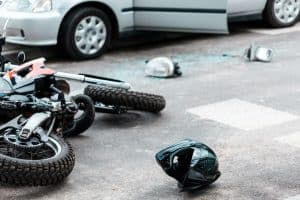
    For a beginner, dropping a motorcycle is one of the most daunting things that can happen to your bike. And not just at high speeds, even at crawling speeds it is a scary situation.

    Honestly, it’s pretty embarrassing & can cause serious injury to drop your bike at zero mph. And if dropping 300 pounds of metal on your ankle isn’t bad enough, not being sure whether or not your bike has permanent damage after a drop is especially concerning for a rider’s shattered confidence.

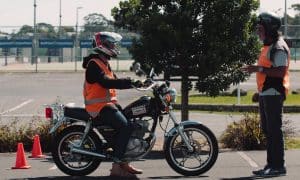
    For a new rider on their first bike, slow speed maneuvers can be overwhelming. There is no particular reason as to exactly what causes a motorcycle to fall while riding. Experienced riders with the same bike may not fall down while riding. Crash bars are installed to elevate motorcycle safety. An experienced rider is well aware of the tips and tricks of riding a motorcycle. They know when and how to apply the front brake, understand the tipping point, know how to take U turn, and know to ride a motorcycle at slow speeds. The parking lot and a slow speed turn are common occasions for new riders to drop their motorcycle. If a rider is carrying someone in the passenger seat then they have to maintain slow speeds and take careful turns at the same time.

    There are engine guards to protect the bike engine from damage if it falls. There is ample space to practice a U turn in a gas station. Learn to control the front wheel, apply your left leg correctly, learn how to take control with your left hand, apply the foot peg properly, use the brake lever often at low speeds and use the clutch lever. Keep a check for any friction zone, stop sign, heavy traffic, and learn the proper applications of the back brake from a qualified instructor. They help you to get all your motorcycle lessons learned and prevent major damage to you and your bike. If you started riding weeks ago then higher speeds can give you a sickening feeling. Dropping the bike a couple times is a learning experience to improve your skill level.

    In this article, we are going to cover:

    • How to prevent dropping your motorcycle
    • What to do if a Motorcycle drops
    • Identify if your bike has sustained permanent damage from a drop

    How to Overcome Fear of Dropping a Motorcycle During Solo Travel?

    One of the most common fears for solo motorcycle travelers is the apprehension of dropping their bike. However, with the right techniques, overcoming fears of solo motorcycle travel is possible. Developing strong balance and control skills, practicing emergency stops and turns, and gradually building up confidence through regular riding can all help alleviate this fear. Remember, gradually overcoming fears of solo motorcycle travel takes time and practice, but it is achievable.

    How to prevent dropping your motorcycle

    Dropping a Motorcycle

    There are a few things you can do to prevent dropping your motorcycle. But ultimately what these all come down to is having good habits. Creating muscle memory around your maneuvers, riding & motorcycle etiquette will save you in the long run.

    Always double check your stand is fully extended

    Dropping a Motorcycle

    This one took me out on the first day I had my new bike. You come to a complete stop, kick your stand out and go to put your foot down. Except, you don’t realize that your stand is still up and you quickly realize this while your bike falls over. Double-checking your stand is out will save you.

    Give your bike a quick check over before every ride

    Honestly, this process takes me around 20-30 seconds. Make a habit to check your brakes are working, mirrors are correct, and check the small things like blinkers are off before every ride.

    The reason this is so important is that if you realize after you take off, and you’re trying to adjust, let’s say, your mirrors after you’ve left, you’ll be adjusting while riding. This heavily increases your chance of falling, and if you’ve already started accelerating, it can be difficult to regain control and avoid or minimize the damage of a fall.

    Always give yourself enough space when following another person on a bike

    Dropping a Motorcycle

    This has happened to me more times than I’d like to admit. But hasn’t caused me to come off the bike yet! Giving yourself enough space between you and the rider in front of you is so important. This way if they apply the brake suddenly or swerve, you have enough time to react and apply your brakes without hitting the person in front of you.

    Staying within your limits

    As riders, it is so easy to become overconfident and push our limits. This can be especially dangerous when you just got your motorcycle license or are new to riding. Take your time getting comfortable with your bike in all conditions before pushing the limits of what you’re capable of doing on a bike.

    Wear protective gear

    Even if you do all the right things, chances are, you’ll still drop a motorcycle once or twice. As someone who has dropped a bike a few times, wearing protective gear, especially motorcycle shoes makes a huge difference. Otherwise, dropping a bike can be very dangerous.

    What to do if a Motorcycle Drops

    There are a couple of different methods that riders use to save their bikes in the event of a fall, but ultimately it comes down to making contact with as much of your body as you can on the ground. The main goal is to keep the bike upright, which makes rolling to your feet easier.

    And remember, if you do go down in a crowded area and others are close to the bike when it falls, make sure you warn them not to stand or walk near where the bike lands – it could be unstable and cause more damage.

    Here are some tips on what to do during a motorcycle drop:

    Stay on the Bike as long as possible before the point of no return

    Understanding the point of no return is a very important concept when if you drop a motorcycle. This is the point in which you have been unable to stop the bike from tipping over.

    With this knowledge of the point of no return, try to stay on your bike as long as possible! Think about it this way, would you prefer to drop your bike at 50 mph or 30 mph? Every second that you stay on the bike and brake the safer your fall off the bike will be.

    Extend your braking period as much as possible.

    Keep Calm

    Once you’ve hit the point of no return, the best thing you can do is relax your body. It may seem difficult, since dropping a bike is an unexpected event, but it will help avoid throwing your leg over the bike and pushing yourself away from the bike while it’s falling.

    Don’t let the bike land on you

    Once you’ve passed the point of no return, try to get yourself away from the bike. This will help avoid the bike landing on top of you and causing more damage.

    Don’t hold the throttle

    It might sound crazy, but the number of people that twist and hold onto the throttle for dear life when their bike starts tipping is astounding. If you twist the throttle while you’re tipping off the bike it will only make it worse and is extremely dangerous.

    If you’re falling, let go of the throttle.

    Identify if your bike has sustained permanent damage from a drop

    Identifying if your bike has sustained damage from a drop is a really difficult task. but let’s give this a try!

    For drops crawling speed and below (Below 7mph)

    My general habit for what to do after dropping a bike from a crawling pace is to:

    1. Hit the motorcycle’s kill switch
    2. Check I’m ok
    3. Am I in immediate danger from other cars or vehicles? If so get out the way, if not move to step 4
    4. Deadlift the bike up & use the stand to rest the bike
    5. Walk around the bike to make sure there is no obvious damage including fuel or oil leaks, bent brake levers or handlebars, or anything else that may impede rideability.
    6. Turn bike on and let it run for 30 seconds before actually riding. While you wait listen to the sound of the bike, you can tell a lot from the sound of your bike. You’ll know if there is anything wrong.

    For drops at speed (Above 7mph)

    My general habit for what to do after dropping a bike from 7mph and above is to:

    1. Hit the motorcycle’s kill switch
    2. Check I’m ok
    3. Am I in immediate danger from other cars or vehicles? If so get out the way, if not move to step 4
    4. Make sure no one was hurt
    5. Move bike to the side of the road and rest it on the stand
    6. Walk around the bike to make sure there is no obvious damage including fuel or oil leaks, bent brake levers or handlebars, or anything else that may impede rideability. But do not try to start the bike.
    7. Call roadside assistance

    Any time you drop a motorcycle above 10mph there is a chance that something may be critically wrong with the bike and you should call roadside assistance. Practicing to park your own bike in a parking lot helps to improve your control over the rear tire. The parking spot is a safe space for long time riders who understand the value of a dropped motorcycle. If you are riding in slow motion, new riders will experience their first drop at a low speed which leaves behind a few scratches. Lost balance, oncoming traffic are some of the other reasons to tip over. Keep a check on the gas pump to ride safe. For a bigger bike, if the rider lost control then a bike fall is natural. It is easy to ride fast on a small bike but a skills test is essential for all riders. Beginners should start riding again if they tip over, especially if they have their own ride. While slow maneuvers are risky, practice can help to master them correctly. The right foot can help to control the front tire pressure. You need to make sure the bike has enough gas as well. The side stand and handle bars of a motorcycle help to prevent riders from falling down easily. The best answer for a lesson learned is more practice.

  • Motorcycle Carburetor vs Fuel Injection: The Debate Continues in 2022

    Motorcycle Carburetor vs Fuel Injection: The Debate Continues in 2022

    Reading Time: 4 minutes

    When it comes to motorcycle debates, it doesn’t get more heated than the carburetor vs fuel injection age-old debate.

    Motorcycle carburetors and fuel injectors system serve two different purposes, but they both work to deliver fuel to the engine. So what is the main difference between motorcycle carburetors vs fuel injectors?

    Fuel injectors deliver fuel more precisely at a given time, whereas a carburetor works by using air pressure to push the fuel into the engine. Most newer motorcycles come standard with fuel systems, as they are more reliable and efficient. Carbureted engines typically provide better power at high RPMs, while fuel-injected engines provide smoother acceleration and an improved economy overall.

    The fuel injectors directly affect the fuel pump, combustion chamber, engine temperature, fuel and air mixture, throttle position sensor and other components. Fuel injected motorcycles have an electronic fuel injection system for efficiency. A motorcycle carburetor affects the throttle valve and throttle response. A curburetor system is effective to maintain fuel delivery, fuel map and these bikes have internal combustion engines to raise the engine performance and fuel mixture. Fuel injected bikes with a fuel injected system keep a check on how much fuel is used, the fuel flow and the fuel tank.

    However, that’s not to say that carburetors don’t have their place!

    Let’s dive in…

    What is the difference between carburetors and fuel injection?

    Carburetors are devices for mixing air with gasoline in an internal combustion engine. The name derives from the Latin word “carburetor.” The fule system helps to deliver fuel more precisely at a given time, whereas a carburetor works by using air pressure to push the fuel into the engine. Carbureted engines typically provide better power at high RPMs, while fuel-injected engines provide smoother acceleration and an improved economy overall.

    Fuel economy over carburetors

    Smoother Acceleration

    One of the main benefits of this system over carburetors is that it provides much smoother acceleration. This is because the fuel systems can deliver a more consistent air/fuel mixture, whereas carbureted engines can be affected by outside factors such as temperature and altitude.

    Better fuel efficiency

    Another benefit of the fuel chamber over carburetors is that it delivers better fuel efficiency. Because this system can deliver a more precise mixture, less excess gasoline is burned and wasted as an emission.

    Better for the Environment

    In addition, fuel systems are also better for the environment as they produce less harmful emissions than carbureted engines.

    Benefits of carburetors over fuel injection

    Carbureted engines provide better power at high RPMs.

    When it comes to getting the absolute most torque out of your bike, a carburetor is the way to go. Carbureted engines typically provide better power at high RPMs, although this is not always the case.

    Emotional Benefits of Carburetors

    When it comes to nostalgia, carburetors win hands-down.

    Carbureted engines are a reminder of the days when motorcycles actually required a little bit of work to keep running well, and an understanding of how they operate is a point of pride for some riders.

    There are also heaps of older bikes that just run on carburetors and you can’t get them to fuel injected. Many motorcycles that are used for vintage purposes or antique purposes will only come with a carburetor.

    Carburetors sound better

    This one is subjective, but many riders feel that carburetors sound “better” than fuel systems. The sound of a carburetor at work has a certain appeal to it, and many riders find it more pleasing than the sound of the fuel system.

    Can you convert a carbureted engine into a fuel injected one?

    Fuel injection conversion kits are available for many carbureted engines, so it’s possible to switch over if you really want to. However, this is not always a simple process, and it can be expensive. It’s also important to note that not all carbureted engines are compatible with fuel injection systems.

    In the end, the choice between a carbureted engine and a fuel injected engine is mostly a matter of functional necessity. Fuel systems are typically necessary on more recent motorcycles that are fuel-injected for emission purposes, while carburetors are found on older bikes. Many riders prefer the nostalgia factor associated with having a carbureted engine, along with the greater torque and throttle response.

    Is fuel injection more reliable than carburetor?

    Generally speaking, this system is more reliable than carburetors. This is because carburetors are more susceptible to outside factors such as temperature and altitude, which can affect the air/fuel mixture. A fuel injection system is not as affected by these factors, meaning they provide more consistent performance.

    Why did Manufacturers stop using carburetors?

    Manufacturers stopped using carburetors for a number of reasons. First and foremost, fuel injection systems are more reliable and provide more consistent performance than carburetors. Additionally, fuel systems are necessary in order to meet emissions requirements, which is becoming increasingly important. Finally, many riders prefer the smoother acceleration and improved fuel efficiency of fuel injection systems.

    Are there any Motorcycle Brands that still Manufacture carburetor motorcycles?

    Honestly, I’m not too sure. From my research, I couldn’t find any motorcycle brands that still manufacture carburetor motorcycles. However, I wouldn’t be surprised if there are a few brands that still offer carbureted options as a special request or for vintage purposes.

  • The 5 Most Reliable Motorcycle Brand In 2022

    The 5 Most Reliable Motorcycle Brand In 2022

    Reading Time: 6 minutes

    Motorcycles are one of the most popular modes of transportation in the world. The number of motorcycles on the road has been steadily increasing for decades, and new models are coming out every year to keep up with demand. There are many factors that affect a motorcycle’s use-life, but some brands can be trusted more than others. So what is the most reliable motorcycle brand in 2022?

    The 5 most reliable motorcycle brands to look out for in 2022 are:

    1. Honda
    2. Suzuki
    3. Kawasaki
    4. Yamaha
    5. BMW

    Let’s face it when it comes to reliability Japanese vehicles have a history of trumping the competition, and it’s no different in the motorcycle world.

    Among other top competitors are Harley Davidson, one of the most reliable motorcycle brands in history. According to consumer reports, the best motorcycle brands are favourite among motorcycle enthusiasts because they like distinctive motorcycles and high-end customer assistance. The motorcycle business is vast and there are different bike companies that offer reliable transportation, car insurance, personal data security and low maintenance costs.

    The Harley Davidson Fat Boy, Street Glide Special, Road King are some of the most reliable bikes. Apart from Harley Davidsons, there are other Japanese brands with super reliable new bike collections. Motorcycle riders prefer reliable brands because their motorcycles are affordable, durable, low-maintenance and offer excellent safety and performance. The first bike from the top brands were mere experiments that turned out to become a sensation. During the world war, there was an emergence of much young company for motorcycles. The Americans, Germans, Japanese, Italian and other countries invented different motorcycle brands. The best motorcycle brands manufacture only motorcycles that help to create an impression worldwide.

    Can AM Motorcycles is a top Canadian company that manufacture cruiser motorcycles with a v twin engine.

    Let’s break down these 5 different brands and find out what makes them reliable.

    Honda

    most reliable motorcycle brand

    Why are Honda motorcycles considered the most reliable? Well, they’ve been around for a long time and they prioritize quality. The company has only actively produced motorcycles since 1949, but you can already see how much thought goes into each model. When you consider the fact that this is also one of the most popular motorcycle brands, you can see why they rank so high in 2022.

    The company’s production process involves the participation of every team member, starting from R&D to quality control to design and production engineering. Every step is checked while the model is still in its early stages of conception. All processes are also constantly checked and improved, so you know that the bikes you’re getting are of the highest quality.

    Honda motorcycles also have a long history of ownership. Many people keep their Honda bikes for years on end, which is a testament to the company’s quality and reliability.

    Suzuki

    most reliable motorcycle brand

    Suzuki is another Japanese motorcycle brand that has been around since the 1950s. The company has seen many changes over the last 60 years, but its quality standards have never dropped even once. This is another brand that values quality control throughout every step of the production process.

    Like Honda motorcycles, Suzuki bikes are built with durability in mind, so you can expect a model to last for dozens of thousands of miles with proper maintenance. The company is also known for its wide variety of motorcycle models, so there’s something for everyone no matter what you’re looking for.

    Kawasaki

    most reliable motorcycle brand

    Kawasaki motorcycles are some of the most popular bikes on the road today. This brand has been around since the early 1900s and they know a thing or two about making a quality product. Kawasaki is another company that takes quality control seriously, and they have the awards to prove it.

    Kawasaki has won numerous awards for its excellence in quality control, including the prestigious Deming Prize. The company has a long history of producing high-quality motorcycles that are both reliable and affordable. Kawasaki is also one of the most respected brands in the industry, so you’ll never go wrong by choosing a motorcycle from this manufacturer.

    Kawasaki motorcycles are known for their outstanding performance. Some models can even outperform cars when it comes to the mileage they will last. There’s no reason to stick to four wheels when you can get such an amazing experience from a Kawasaki bike.

    Yamaha

    most reliable motorcycle brand

    Yamaha motorcycles have been around for over 60 years, and in that time they’ve become one of the most popular motorcycle brands in the world. This is thanks to their focus on quality and innovation. Yamaha was one of the first companies to produce a cruiser bike, and they’ve continued to produce innovative models ever since.

    Yamaha has a long history of producing high-quality motorcycles that are both reliable and affordable. The company also prioritizes customer satisfaction, which is why they have one of the highest customer retention rates in the motorcycle industry. Yamaha is also known for producing some of the fastest motorcycles on the market.

    Some models can go up to 200 miles per hour, which means that they’re faster than most vehicles on the road today. The Japanese manufacturers have always been at the forefront of innovation, and their speed records are proof of their success. Of course, this has nothing to do with reliability, but speed is always fun!

    BMW

    most reliable motorcycle brand

    BMW is a German motorcycle brand that is known for its luxury and performance. The company produces a wide variety of motorcycles, from cruisers to sport bikes to touring bikes.

    BMW has a long history of producing high-quality motorcycles that are both reliable and affordable. The company also prioritizes customer satisfaction, which is why they have one of the highest customer retention rates in the motorcycle industry.

    The only downside of buying a BMW bike is that parts are more expensive than the Japanese brands in almost every part of the world except Europe. So whilst the motorcycle brand is extremely reliable, if something was to go wrong, sourcing parts can add up very quickly!

    Conclusion

    As you can see, 2021 has plenty of excellent motorcycle brands to choose from if you’re after a user-friendly motorcycle. Honda, Suzuki, Kawasaki, Yamaha, and BMW are just a few of the many options that you have when purchasing your next motorcycle. but if you want to get the most reliable bike possible, then look no further than these brands. These reliable motorcycle brands have a wide array of options for different motorcycle models and requirements.

  • Motorcycle Kill Switch: 7 Facts Most Riders Would Die To Know

    Motorcycle Kill Switch: 7 Facts Most Riders Would Die To Know

    Reading Time: 7 minutes

    Whether you’re a noobie motorcyclist or a diehard Harley-Davidson fanatic, you’ve used or at least seen the kill switch used on a motorcycle. And I’m sure you, like most of us, don’t really know very much about it.

    The ignition switch and kill switches are emergency switch for motorcycles. Kill switch cuts power from the motorcycle engine and you can use the kill switch to stop the bike. The ignition key can activate the ignition switch and start the bike. The function of the stop switch is to immediately shut the motorcycle. It helps to lock position of the bike. Different types of bikes like a dirt bike or modern bikes all have a fuel pump and the same circuit. Since the ignition switch and kill switches have the exact opposite functions, make sure not to use them in an off position situation. If you accidentally hit the ignition switch or the kill switches, ensure that there is no harm caused.

    So, in this article, we’re going to cover 7 facts that most riders don’t know about the kill switch of a motorcycle.

    1. What is a motorcycle kill switch?

    motorcycle kill switch

    A motorcycle kill switch is a Red switch on the right-hand side of your motorcycle’s handlebars that completely turns off your motorcycle’s engine. The kill switch is an electronic device that shuts off the engine when the rider is not in control of it.

    It is designed to stop the bike from running. A kill switch can be manually activated by hand. Almost every motorcycle on the market has a kill switch. The kill switch is mandatory in some countries because it is seen as a safety feature. It can be used to stop the engine in an emergency situation.

    2. Why do motorcycles have a kill switch?

    Motorcycle kill switch

    Motorcycles have a kill switch for safety reasons. A motorcycle’s engine can become dangerous if it is on when the rider has fallen off or is being towed. And in certain situations having the motorcycle’s engine on is just dangerous. It’s so much so that in some countries, every motorcycle must have a working kill switch in order to pass inspection.

    The kill switch is an emergency shut-off for the engine. It’s a simple, red button/switch that is located on the handlebars of a motorcycle. Kill switches are usually within reach of the right thumb, making it easy to turn off the engine quickly.

    Engineers designed motorcycles this way because if you have to take one hand off the handlebars to turn the key off, it’s possible to slip the clutch while doing so and risk jolting forward unexpectedly. A kill switch helps you stay in total control of your motorcycle.

    There are times when a kill switch comes in handy in certain emergency situations. Such situations may include tipping the motorcycle over onto yourself while it’s still on; it’s useful to have a switch that will immediately shut the bike off to prevent further burns and injuries.

    If you have electrical problems on your motorcycle and you’re seeing sparks, a kill switch comes in handy to immediately turn off the bike, stop the spark, and prevent further damage and/or injury. This is especially useful if your engine starts leaking fuel or oil because then it can be very dangerous and would need an immediate shutdown.

    In all of these emergency situations having to take the time to locate the key, turn it off and take it out is just too slow. A big red button just works.

    3. How To Know When A Kill Switch Is ON?

    To determine if the kill switch of a motorcycle is activated when it is pushed towards the front of the bike. That is to say, if the switch is pushed towards the back of the bike, the bike will start.

    I know, this seems like a dumb one for most of us, but you wouldn’t believe how many new riders mix this up. A big mistake is pushing the switch forward to turn the bike off. Most riders go through their first month of riding like this because it seems logical. I know I did it when I got my motorcycle endorsement many years ago.

    4. What happens when the Kill Switch is Activated?

    The basic thing that happens when you hit the kill switch on your motorcycle is that all power gets cut from the motor. This means there’s no fuel getting pumped, so it stops running. At the same time, there’s also no spark being created by the ignition coil, so all of the power to the plugs is gone as well.

    5. What happens if you hit the kill switch while riding?

    Hitting your kill switch is very dangerous whilst riding. This is because your wheels have the ability to lock, and you could lose control of your motorcycle very quickly. In fact, hitting the kill switch while riding is considered a serious infraction in most states. If you’re going about 50 mph or faster when you hit the switch, it’s also going to be a lot harder for you to bring your bike to a stop before running into something.

    Hitting the kill switch on a moving motorcycle tends to cause an ‘endo’ as well. This is because picking up the front end from under-steer only makes the issue worse, so now you have two problems instead of one. Ultimately this can lead to either running off of the road or crashing into whatever was directly in front of you at the time that you pulled over (or hit) the kill switch.

    6. How to safely stop your motorcycle using the kill switch

    The best way to safely stop your motorcycle using the kill switch is by slowing down gradually before hitting the switch, then applying the brake. This will help you to avoid losing control of your bike and crashing. Remember, it’s still very dangerous to hit the kill switch while riding, so be very careful!

    So there you have it – everything you need to know about why motorcycles have a kill switch, and how to use it safely. Be sure to always practice caution when hitting the switch, and never do so while riding at high speeds.

    7. Does the kill switch damage your bike?

    There is no evidence that the kill switch damages your motorcycle. In fact, it’s a very important part of the bike and is used to safely stop it in emergency situations. Always be sure to use caution when hitting the switch, as it can be dangerous if done while in motion.

    Bonus Fact: Does leaving the kill switch on damage my bike?

    Absolutely not! So many motorcyclists use their kill switch as a way to turn off their bike and leave it off for days on end. I am not a fan, because when I hope on the bike I just want to go. But there is no damage happening to the bike when it’s left off for an extended period of time. It will basically do nothing but sit there, even if you forget the key in the ignition. The only thing that might happen is that your battery could drain slightly, which isn’t a big deal at all.

    Conclusion

    So there you have it – everything you need to know about why motorcycles have a kill switch, and how to use it safely. Be sure to always practice caution when hitting the switch, and never do so while riding at high speeds. Remember, the kill switch is an important safety feature, so make sure you know how to use it properly!

  • Can I Teach Myself to Ride a Motorcycle?

    Can I Teach Myself to Ride a Motorcycle?

    Reading Time: 10 minutes

    Many beginner riders have this common question in their minds when they are about to purchase their first motorcycle. The question is, can they teach themselves how to ride a motorcycle, all on their own?

    It is very much possible for beginner riders to learn how to ride a motorcycle on their own. In fact, there are a lot of experienced riders who have learned the skill of riding a motorcycle, on their own and without taking any riding lessons. Whilst saying that having a motorcycling mentor will help you develop your skills even faster!

    There are many places where the law of the land does not require one to take a mandatory training course and pass it, in order to become eligible for riding a bike. But still, to be on the safer side, we recommend that before you trust your skillset completely, you take help from a mentor or enrol yourself in one of the riding classes to be absolutely sure of all the nitty-gritty of riding a bike on a public road.

    A basic rider course is essential for riders own safety. Learn about all the gears and on the first bike and practice shifting gears frequently for better preparation. A lighter motorcycle offers better safety. Ride a motorcycle with safety gear. The difference between an experienced rider and can be determined through motorcycle riding. A new rider should always wear protective gear while riding motorcycles. There are different riding courses to certify riding abilities to ride a motorcycle.

    It is essential to learn all the gear functions and apply clutch lever and rear brake for safe riding. Front and rear brake applications at the right time help a rider to become a professional. Ride a motorcycle frequently to get adept. Practice riding whenever there is a chance or free time. Always ride safely to ensure the overall safety of yourself and others. A drive fast racing course is a great place to practice msf course. Bike operators know that a motorcycle operates when start riding, learn about gear shifter, apply the front brake and shift gear timely.

    Here are a few tips to get you started on your dream of teaching yourself to ride a motorcycle on your own:

    Tips to teach yourself how to ride a motorcycle

    Can I Teach Myself to Ride a Motorcycle?

    1) First, get Insurance and a Learner’s Permit or a License

    2) Get a Beginner Friendly Motorcycle

    3) Get Proper Protective Gear

    4) Practice, Practice, & Practice

    5) Gradually Improve your Riding Skills

    6) Read Books or Watch Training Videos Online

    First, Get an Insurance and a Learner’s Permit or a License

    The first thing you need to do, prior to learning how to ride a bike on your own is getting an insurance and learner’s permit.

    For instance, in the state of California – USA, one might not even be eligible for applying for the motorcycle license, if they did not take any official training course or pass a mandatory exam by any licensed company or organization.

    Even though there are many places where the law does not mandate taking a lesson from a professional trainer before being allowed to hit the road, it still makes sense that you take one just so that you’d have a fallback plan in case something goes wrong. You may find these options useful – DMV- ‘s list of officially recognized providers who can train you and help you pass the classroom exam.

    Get a Beginner Friendly Motorcycle

    Can I Teach Myself to Ride a Motorcycle?

    The next step requires you to buy a motorcycle that is highly suitable for beginners, who have no prior experience of riding.

    The reason why we recommend buying a bike with the most beginner-friendly features such as low profile, wide tires, and footrests, is because these bikes would give you more stability and control over the two wheels than high-performance machines which require riders to be extra conscious all the time about speed and acceleration. A motorcycle safety course helps to ride a motorcycle cautiously and maintain an overall motorcycle safely on and off-road.

    When it comes to selecting a beginner-friendly bike, there are certain things that one needs to keep in mind:  first of all, look for ergonomics; make sure your seat height matches your waist size; check if there’s a sufficient amount of space between your feet and the ground; find out if the bike has enough suspension travel to absorb the bumps easily.

    Usually, bikes with lower CC are smaller, lighter, and more suitable as well as forgiving to beginner riders. What I mean by forgiving is that these bikes do not require a high maintenance cost and therefore, as a beginner when chances are you will fall off the bike a lot in trying to balance it properly, it won’t burn a hole in your pocket in terms of repairing work on your bike. Other things include motorcycle controls gears and clutch lever. There are different ways to ride a motorcycle and dirt bikes.

    Get Proper Protective Gear

    The law of the land in a number of countries around the world requires all motorcycle riders and passengers to wear a helmet while riding on the road, while some other states have no such laws but still recommend wearing one for safety purposes.

    Apart from helmets, you also need to get yourself a pair of gloves that offer proper grip, knee pads that offer maximum protection during falls, and boots that are sturdy enough to prevent your ankle from breaking or twisting when you lose control over the bike. This complete gear should be worn at all times when you’re on two wheels.

    Always remember nothing is more important than your safety; not even the bike that you purchased a few days back. Your life is precious and will always be over a piece of machine.

    In the early days of riding when you will fall a lot, you do not want to get seriously injured so that you have to give up on your riding life, even before it took off. Even a split second makes a world of difference. So, buy quality protective gear that will protect your skin, joints, and most importantly your head, at the time of a fall. Do not neglect this.

    Practice, Practice, & Practice

    Can I Teach Myself to Ride a Motorcycle?

    There is no shortcut for learning how to ride a motorcycle.  No matter if you have purchased the best motorcycle, all the gears, and other accessories – you will not be able to master riding a two-wheeler unless you practice and practice more.

    Learn what it feels like to be in control of the bike; learn how to handle bumps, potholes, sudden jams on roads, etc., which can easily catch one off guard as a newbie. And that’s where the best training courses come into play.

    You may think that taking your class five times or practicing at home is enough – but trust me it isn’t! Only after practice will you know what the real deal is and only then you’ll start gaining control over your bike.

    When you practice, make sure to follow these tips: avoid the highest speed your bike can take; even if it’s a low-performance bike, try not to ride at full throttle (it will train you for balance and speed simultaneously); do not rush when riding over bumps or on slippery roads; slow down and stay alert of other vehicles on the road while making turns.

    Practice at home too – ride in the spacious lanes and then move onto tighter and smaller lanes (if possible) until you feel like there’s no way you would lose control over your bike even if the walls get narrower and narrower. That’s called confidence building.

    Practice at open places also, including open parking lot, quiet neighbourhoods, empty stretches of roads, etc. The more you practice, the more quickly you will pick up the skills.

    Gradually Improve your Riding Skills

    Can I Teach Myself to Ride a Motorcycle?

    When you just begin to ride, chances are you will not be able to do everything on your bike like a professional can. You may also make mistakes while riding and it’s okay; we all make them when we start out. So, what matters is how quickly you can improve after making those errors – this improvement is known as learning.

    Practice and Learn from your mistakes: It’s the combination of these two that will help you learn faster and better! Do not give up until you feel like you’ve learned all there is to know about the basic riding skills required for motorcycle riders.

    The more you practice, the better rider you will become; it’s inevitable. And in no time, your confidence level will go high enough so that when an accident happens, you will not freak out and only focus on the situation at hand rather than panicking over what needs to be done.

    Read Books or Watch Training Videos Online

    It is my personal opinion that training books are the best source of information if you want to learn how to ride a motorcycle on your own. If you put in the effort, there’s no doubt about it!

    When I was still learning how to ride a bike myself, I always went for online video tutorials or watched some YouTube videos on my mobile phone. It helped me understand why one should do such and such while riding and also provided me with an insight into the things that can go wrong during riding and how to avoid them. There’s so much content online which you could benefit from – read and watch as much as possible; it won’t hurt!

    Remember, there is a lot to a motorcycle than just hopping on it and going on full throttle. There are gear functions, clutch control, maneuvering techniques, basic controls, acceleration, front and rear braking, and many, many more!

    So, don’t get super confident with little knowledge and practice. It’s better to practice with the right information and proper guidance that is available to you if you are looking to learn how to ride a bike all on your own. Don’t ever settle for shortcuts.

    Conclusion

    Frankly speaking, training courses and exams are phenomenons of today. In the past, almost all motorcyclists that you see today, have learned to ride a bike, completely on their own, simply because they didn’t have any alternatives. Bike operators should follow safe riding techniques and maintain a straight line during motorcycle riding on all types of terrain. Front and rear brakes, rear tire, rear wheel, front brake and other components of a dirt bike are different from a sport or casual motorcycle. Drive slowly and ride defensively and maintain a slow speed.

    A lot of riders are still picking the skills of riding a bike all by themselves, without any mentor or teacher. Learning to ride a motorcycle on your own has never been and will never be a rare occurrence. So, if they can, co can you.

    However, as we spoke before, whenever you are in doubt or if you do not find the same level of confidence in yourself, after getting a bike that you can master the two-wheeler on your own, just get enrolled in a training course. A good learning course will definitely help you expand your knowledge and will provide you with information and tips that will further develop and benefit your riding skills.

  • Best Motorcycle Radios (Updated 2022): Easy-To-Install, Bluetooth Ready

    Best Motorcycle Radios (Updated 2022): Easy-To-Install, Bluetooth Ready

    Reading Time: 23 minutes

    For a motorcyclist, the thrill of riding a motorcycle on a beautiful day and blasting down a freeway is unparalleled to everything else in the world. However, sometimes long stretches of highway or the daily commute to work can be pretty uninspiring and boring. That’s where a motorcycle radio comes in.

    One sure way to liven up each and every trip on a motorcycle is listening to a piece of music or a podcast while you are riding your two-wheeler. This might be something new for young riders who perhaps do not know the fact that they can listen to music and kill the boredom of long journeys or cross country commutes.

    Here are the 10 best motorcycle radios:

    1. Boss Audio MC470B
    2. Jensen JHD910 Heavy Duty Mini
    3. Kenwood Marine Radio Stereo Bluetooth Receiver Bundle
    4. LEXIN S3
    5. Golden Hawk
    6. GoHawk 4 Channel All-in-One
    7. GoldenHawk RE9-X Handlebar Mount
    8. GoldenHawk TJ4-Q 1000W
    9. INNOGLOW Bluetooth Radio
    10. GoHawk AN3-A

    All of these motorcycle audio systems can be installed quickly and easily. This list has been compiled based on numerous reviews from experienced motorcyclists so that you can be sure of a high-quality radio setup on your motorcycle.

    You might also find that the best motorcycle radio is just a click away, if you do decide to purchase a motorcycle radio please do use our links, it really helps support the blog.

    Let’s explore each option!

    Boss Audio MC470B

    The Boss Audio MC470B is one of the best-selling radio systems for motorcycles from Boss. And could quite possibly be the best motorcycle radio on the market. Why is it considered the best motorcycle stereo system on the market?

    The high quality of sound is a guarantee from the brand that so many are loyal to, Boss, and the Boss audio systems look elegant and very stylish on a bike.

    Among its many features and specifications, this radio system from Boss comes with the integrated Bluetooth® technology that allows the rider to connect the radio or stream music directly from their smartphones and listen to music just like their Bluetooth® integrated headphones.

    The radio system also has a pair of Chrome 3-inch speakers which make sure that whatever audio you listen to has high quality ingrained into it.  To add to the rider’s convenience, the radio setup has a wired remote to it which can be used to control the volume settings.

    The speakers are also compatible with 3.5mm AUX Input and therefore, they can easily be connected to smartphones or MP3 players. Of course, it comes with FM radio as standard. It has an adjustable bracket that fits most bike handlebars ranging from 0.75-1.25 inches.

    If you want your music blast through your motorcycle on an open highway while you are riding at a high speed, the Maximum Amplifier of 1000 watts of this radio setup will definitely attract you.

    The only downside of this waterproof radio system is its anti-clockwise volume control option which can be a little inconvenient for first-time users.

    BUY Boss Audio Systems (Waterproof) NOW

    Jensen JHD910 Heavy Duty Mini Waterproof

    The Jensen JHD910 Heavy Duty Mini Waterproof radio system is a great option for riders who want hassle-free installation of an audio setup on their motorcycle.

    The power output of this radio system is 12V DC and it comes with a multi-purpose AUX front panel which has all the connectivity options for iPods, MP3 players, and portable CD players.

    This radio system comes with a 7-Channel NOAA Weatherband Tuner and is equipped with an automatic switch to the mode of WB, as soon as the system receives warning signals from NOAA.

    The 2-Wire connection feature of the radio gives the rider the convenience of 30 programmable preset options for the stations. It also has an advanced work timer for job sites and is packed with all the features of music systems like electronically controlled volume, bass, treble, and balance. On top of all this, the radio system also has a clock which is available in both 12 and 24-hour format.

    One of the added benefits of this radio system is its daylight display screen which comes with a wide angle of viewing. This makes the display screen extremely easy to read during bright sunny days.

    Its backlit controls and different color illumination settings make it a favorite among riders who want that extra cool feature for their radio systems. The radio system also comes with a 3.5mm Jack pigtail, a 2-Channel amplified audio, and a 2-Channel stereo speaker output.

    In addition to all these quality features, the one-touch audio mute option of this radio adds to its overall convenience factor. The only drawback of this UV-resistant and corrosion-protected radio system is that it does not fit motorcycles from Harley Davidson. So, if you own a Harley, you should consider other options apart from this.

    Radio signals from the FM radio antenna create a clear and crisp sound, all you could really ask for from a motorcycle FM radio.

    BUY Jensen JHD910 Heavy Duty Mini Waterproof NOW

    Kenwood Marine Radio Stereo Bluetooth Receiver Bundle

    The Kenwood Marine Radio Stereo Bluetooth Receiver Bundle is a motorcycle radio system specifically designed for riders to whom talking over the phone while they are riding is as important as listening to music or a podcast. This radio system from Kenwood is useful, convenient, and is perfect for riders who want a hassle-free installation of audio setups.

    This radio system comes with integrated Bluetooth® technology perfect for receiving phone calls. A specially designed kit for installation on Harley Davidson motorcycles, a 40-inch FM radio antenna, and an extremely stylish Metra Steering Wheel User Interface.

    The Bluetooth® integrated receiver of the motorcycle radio system is capable of delivering excellent sound quality audio, whether the rider is talking over a phone or listening to their favorite music.

    Not just that, the Drive EQ technology of this radio allows the rider to listen to really good overall sound quality output, which does not get affected by riding sound, wind speed, or surrounding noises. When it comes to a motorcycle radio that uses high-quality materials to produce the best sound quality, the Kenwood Marine Radio Stereo has you covered.

    The front panel of this radio system is equipped with all sorts of connectivity ports from USB to AUX, which can be used to connect to iPhones, iPads, and iPods.

    The radio system also comes with a handlebar control user interface which makes it even more convenient for the riders to control it without leaving the control over their bike. The setup of this radio is a 7-Wire connection that has easily installable frontal speakers.

    The only drawback of this power-packed radio system which we can think of is difficult to understand installation instructions that are there in the manual. A little precision on the instruction front will make the life of a rider, even easier, for installing the radio set up on their bike.

    BUY Kenwood Marine Radio Stereo Bluetooth Receiver Bundle NOW

    LEXIN S3

    The LEXIN S3 radio system is highly suitable for riders who want a cool and sleek look for their audio setups. The performance of this radio system is excellent and the sleek design of it along with its bullet-shaped mount bar will definitely attract some attention on the road.

    This radio system is waterproof and is capable of delivering quite a loud volume of audio regardless of the weather or the condition of the surroundings. It is one of, if not the loudest motorcycle radio on the market.

    This speaker is a favorite among riders not just because it’s waterproof but also, because of the fact that it delivers high-quality audio at a super loud volume. This exceptional feature along with its metallic chrome polished look is the reason why this radio system is a head-turner on the roads.

    Since this radio system comes with mounting holes, it’s extremely easy to install, and the ‘plug and play’ feature makes the installation process even more convenient.

    With the high-quality loud sound delivery of this radio, there is no need for the rider to install additional stereo options along with this setup on their bikes. The stylish speakers are already equipped with Bluetooth® technology and 3.5mm AUX Input for easy connectivity to MP3 players and smartphones.

    This radio system can be kept on irrespective of the weather and is highly capable of delivering loud music even at a speed of 80 MPH. However, according to some riders, this set of speakers might not be suitable for motorcycles that themselves produce loud noises while in motion.

    BUY LEXIN S3 NOW

    Golden Hawk

    The Golden Hawk Waterproof radio system is the best in its class of 180 Watt audio speakers. When it comes to the wide range of Mid-range speakers that are available in the market today, nothing comes close to the Golden Hawk Waterproof speakers in terms of both quality and durability.

    This radio system is equipped with a speaker clamp that is universally suitable for all bike brands, including motorboats, and it also has a built-in amplifier to it, which adds to the superb sound output of this speaker.  

    The Bluetooth® technology that is integrated into this sound system has an incredible range of 15 meters –which means connectivity will never be a problem with this radio set up. In the department of support, this radio system features USB support, Micro SD support, and also has an in-built port for 3.5mm AUX Input.

    Another cool and convenient feature of this motorcycle audio system is that it can not only function as a simple FM Radio set up but also, can act as a simple USB charging point for your smartphone or other compatible devices.

    The overall sound quality of these motorcycle speakers is on par with other motorcycle sound systems, I wouldn’t say they’re as good as the boss, but good enough to be in motorcycle radio reviews such as this one!

    In terms of compatibility, it works perfectly fine with iPods, iPhones, and all kinds of Android smartphones that are available today. The installation process of this system is completely free of any hassle and is very easy for the rider to do on their own.

    It also has a mini remote that is connected with a wire and its LED-lit buttons add to the overall style of this radio system. The outer case of this radio system is built with superior quality aluminum and is completely waterproof.  

    However, a small thing to keep in mind is that even though the speakers are waterproof, the amplifier that comes with the setup isn’t. Therefore, remember not to keep the amplifier attached to the system when you leave your bike, even though you can keep the speakers mounted at the handlebar of your motorcycle.

    BUY Golden Hawk Waterproof NOW

    GoHawk 4 Channel All-in-One

    The GoHawk 4 Channel All-in-One radio system as the name suggests is an all-included package. The amplifier and the speaker of this audio system come hand-in-hand with the setup and this is the reason why the installation of this system feels like a breeze to all the riders.

    When you buy the GoHawk 4 Channel All-in-One system for your motorcycle, you will get everything that you need to enjoy listening to high-quality music on your ride.

    The built-in amplifier that comes with this radio system delivers high-quality sound along with powerful bass and thus, you won’t need any additional amplifier to buy if you are looking for powerful audio output.

    The amplifier has connection compatibility with 3.5mm AUX Input and the wired control of the system is extremely convenient and fully functional.

    In addition to all this, the amplifier itself comes with proper mounting clamps that are suitable for all bike brands including cruisers, scooters, the Harley Davidsons, and even marine boats.

    The radio system has an integrated and updated Bluetooth® 5.0 technology which makes sure the connection to the rider’s devices stays strong even from a range of up to 30 meters.

    This allows the riders seamless connection to this radio system with their iPhones, Smartphones, or iPods –streaming your favorite music or podcast on this system will be super duper easy. Honestly, if Bluetooth speakers are what you’re looking for in a motorcycle radio, get one with Bluetooth 5.

    The ‘Plug and Play’ feature makes the installation process hassle-free and the power connection that is required by this audio setup is 12 Volts. The crystal clear sound quality of this system along with its waterproof design makes it a favorite among many riders.

    Going by its name, the radio system comes with everything from the necessary wires to hardware that you will basically need for installation and enjoying your favorite music on your two-wheeler.

    Strictly speaking, there are no specific drawbacks of the GoHawk 4 Channel All-in-One except the fact that the setup might look a bit too big for some riders or for some motorcycles. 

    BUY GoHawk 4 Channel All-in-One NOW

    GoldenHawk RE9-X Handlebar Mount

    The GoldenHawk RE9-X Handlebar Mount is a great choice for riders who want a combination of innovation and attractive looks for their motorcycle sound system. Not just the stylish look of the system along with its modern design makes this radio a favorite among many riders but also, the convenience factor of using it appeals to a lot of riders.

    The satin finish of the radio system is designed with aluminum that gives this device durability and makes it extremely lightweight for sitting at the top of any motorcycle. It is highly suitable for all kinds of different bikes, G-Karts, Golf Karts, UTVs, ATVs, scooters, and even four-wheelers.

    Therefore, compatibility is not an issue with this audio system. The device comes with a battery cable harness of 59 inches along with a ring-shaped terminal connector that can fit easily on your motorcycle.

    A unique feature of this radio system is its mounting clamp and ball stub design. What makes it unique is the fact that they come with a full 360-degree swivel range, which makes the overall installation process highly convenient and extremely adjustable.

    Other beneficial features of the GoldenHawk RE9-X Handlebar Mount include a one-click button for switch off/switch on and it has a strip of 24 LED lights. The wireless connectivity range of 30 meters makes the radio system compatible with all kinds of android Smartphones, iPods, iPhones, MP3 players, and other similar devices.

    In addition to all these, the dual speakers of this system along with its primary aluminum unit are designed intelligently to make them all-weather resistant. So, you need not worry about the outdoor conditions and the weather will never upset your enjoyment of listening to music or podcast when you are riding your bike.

    The ‘Plug and Play’ feature comes in handy during the process of installation and this radio system is capable of producing quality sound irrespective of the sound of the bike or the external surrounding noises. One disadvantage of this setup that comes to mind is that it drains a lot of battery but, apart from this there are no other disadvantages associated with this product.

    BUY GoldenHawk RE9-X Handlebar Mount NOW

    GoldenHawk TJ4-Q 1000W

    The GoldenHawk TJ4-Q 1000W is one of the best-selling radio systems for motorcycles that are available in the market today and it comes from the reputed brand of GoldenHawk. With this audio and radio system, the rider gets high quality, uncompromised durability, and dependable compatibility.

    This radio system is equipped with a 1000 Watt amplifier that produces powerful but crystal clear sound and it also comes with a full range of speakers.

    The mounting clamp that comes with this device is X-Large, which makes the system compatible with any bike model from any brand. It is also compatible with four-wheelers as well. In terms of connectivity, this radio system has practically no substitute. It supports a USB port, Micro and Mini SD cards, MP3 files, and even has a 3.5mm AUX Input port.

    So, iPhones, iPads, iPods, Android Smartphones, MP3 devices; everything can be connected with this device, and thus, you can stream your favorite podcast or listen to your favorite music with any device possible and your enjoyment will never get a pause. The LCD display of this radio system helps the rider view all its controls with exceptional clarity even on those days when the sun is beating down the road.

    The audio system is also equipped with both wireless and wired remote connectivity which again adds to the convenience factor of this device. No matter how sunny the day is or how speedy your bike is, controlling this device is extremely easy for all the riders.

    The setup is all designed with high-quality aluminum which makes sure that it is durable and stays protected from all sorts of hazardous weather elements. This makes the radio system waterproof, weather-resistant, and suitable for various outdoor conditions. Another great feature of this device is its wide range of connectivity that can go as far as up to 15 meters.

    The radio system is also equipped with Chrome speaker housing which makes the audio output from this device crystal clear and powerful as well. The quality of the sound would never be a problem for Harley-Davidsons or other similar motorcycle brands that have a distinct noise.

    The setup comes with all the necessary hardware and wiring, along with the ‘Plug and Play’ feature which again contributes to the hassle-free installation factor. It can act like an audio device, an FM radio device, and also as a simple USB port.

    It’s important to note that the GoldenHawk TJ4-Q 1000W is the only speaker on this list that has an IP56 waterproof certification. The only downside of this radio system is that a weird ‘beeping’ sound comes out of the device when the rider either turns up or lowers the volume.  

    BUY GoldenHawk TJ4-Q 1000W NOW

    INNOGLOW Bluetooth Radio

    The INNOGLOW Bluetooth radio system is a great choice for riders who want their motorcycle radio system to be both durable and reliable. This Bluetooth® technology integrated radio system has fantastic output in terms of audio quality and on top of that, it is extremely easy to use as well.

    This radio system just like a few of its competitors on this list comes with all the necessary hardware and wiring that is required for the installation process and this makes it easy to install on a motorcycle for all the riders.

    The device is especially noted for its high quality of sound and is compatible with different motorcycles from a variety of brands. When it comes to connectivity, this audio system is also equipped with a connection port of 3.5 mm AUX Input which makes it compatible with any android Smartphone, iPhones, iPads, and iPods. Even MP3 players which have AUX cables can be easily connected to this motorcycle radio system.

    The stereo system that comes with this set-up is capable of delivering loud and powerful audio, without compromising on the quality of sound. Even at very high speeds, you can clearly listen to your favorite song or your preferred podcast.

    The audio system has an exceptionally engineered LED display screen which makes it easy for the rider to read all the control and functionality information of the device even under direct sunlight.

    This undoubtedly adds to the convenience factor of this radio system especially during those summer days when the sun beats down on the motorcycle on open roads.

    Another great feature of this device is the materials that have been used for making it. These materials are sturdy which makes the radio system highly durable and dependable even in harsh weather conditions.

    Both the speakers including the radio device are shockproof and waterproof. Therefore, as a rider, you can be double sure of your device not getting damaged due to different hazardous weather elements. So, with this radio system on your bike, you will have minimum worries about maintenance.

    Given all these positives, one negative point of the INNOGLOW Bluetooth speaker system is that it will not allow you to set your own radio stations. Apart from this minor drawback, this is a great option for riders who are looking to buy a new radio system for their motorcycles. 

    BUY INNOGLOW Bluetooth NOW

    GoHawk AN3-A

    The GoHawk AN3-A radio system might appear at the very last on this list but that does not mean in any way that this radio system is not a great choice. In fact, coming from the house of the established brand GoHawk it is among the favorites when it comes to rider satisfaction or customer reviews. It has gained immense popularity in the market lately because of its stylish and modern look.

    However, the look is not the single category in which this device stands out in the crowd. In terms of sound quality, this audio system is capable of delivering superior output, both for radio and for music or podcast streaming.

    To provide the rider with a high-quality FM radio output, this set-up comes with an external antenna that enables the system in getting a better signal reception.

    The complete set-up of this radio system comes with a 3-inches full-body aluminum housing and an in-built powerful amplifier that is compatible with all bikes from different brands.

    The range of connection that this audio device is capable of holding on is up to 15 meters. The materials that have gone into the manufacturing of this device are all of superior quality which makes this device highly durable.

    The classy chrome finish looks sleek and stylish on all motorcycles and is highly compatible with different riding styles as well. On top of this, the set-up gives you the added advantage of a waterproof design. So, you need not worry about the device getting affected by rough weather conditions.

    Apart from all these exciting features, the radio system from GoHawk comes with all the necessary hardware and installation wires so that the rider does not have to search for any additional requirements. This makes the installation of the device very easy and simple even for a novice rider.

    The audio device is equipped with FM Ready technology which means you cannot just stream your favorite music or podcast but also, can listen to high-quality FM radio stations without any interruption. In terms of connectivity, the radio system has a USB port and can act as a phone charging point as well.

    It is also compatible with iPhones, iPods, iPads, and all Android Smartphones. One downside of this radio system is that the wires that come with the set-up might be a little too short for optimum convenience.  

    BUY GoHawk AN3-A NOW

    Best Budget Option

    The GoldenHawk RE9-X Handlebar Mount is the best budget option among all the motorcycle radio systems that are mentioned on this list. It is a perfect combination of attractive looks and power-packed innovation that makes sure you enjoy high-quality music or podcast while riding on your beloved bike.

    Factors to Consider Before Buying a Motorcycle Radio

    We have made this comprehensive list of the 10 best radio systems for motorcycles that are available in the market today. If you are looking to buy any of the products that are mentioned on this list, the article will provide you with an in-depth analysis and guidance on each and every product.

    However, if you want to look upon your own and make your own decision on what radio system would you like to be installed on your motorcycle, here are a few factors that you should consider before purchasing one –

    Sound Quality

    This is the most important and foremost aspect that you should consider. If the sound quality of the device you choose is not up to the mark, then what’s the point of having a radio system in the first place, right?

    If you own a Harley Davidson or a similar kind of bike that produces considerable noise, you should always settle for devices that deliver powerful but superior quality sound.

    Always Go for Waterproof Models

    The fact of the matter is that there is a small but critical difference between waterproof models and water-resistant models. The products that fall in the first category are immune to even pouring rains but the latter means that your device is only protected from either drizzle or droplets of rain and not completely safe from thunderstorms.

    So, be very careful of which model you settle for and we always recommend that you go that extra mile and buy a waterproof product that is immune to heavy rain.

    Dust-proof Products are Always Better

    This aspect of a motorcycle radio is mostly suitable for riders who own a dirt bike or frequently go on adventurous off-road trips.

    If your device is not protected from dust when you almost regularly drive through dusty outdoor conditions, it will be at risk of getting damaged easily. However, if you are the type of rider who most of the time travels on roads and highways, you need not care much about this factor.

    Look for the Compatibility Factor

    In the case of motorcycle radio systems, compatibility means how easily the device can be mounted on your motorcycle. Always remember that not all radio systems are suitable for all bikes.

    This is the reason why audio device manufacturers state the compatibility information on the packaging of the product as well, for you to understand clearly.

    We recommend you purchase a radio system that fits or mounts comfortably on your bike’s handlebar.

    The Device Should be Easy to Install

    This is another important factor to consider before purchasing a motorcycle radio.

    Today, most of the devices come with all the necessary wires and hardware that are required for installation, which makes the whole process of installation feel like a breeze.

    Even if there are some models that do not come with any wires or hardware, the instructions on the manual are usually pretty clear and easy to understand for all the riders.

    Durability

    Always purchase radio systems that are made from lightweight aluminum and not from cheap quality plastics. If it is stated that the materials used to make the product are shockproof, it makes your choice, even more, better for you will have a guarantee that your device won’t get easily damaged even if gets dropped suddenly.

    Also, look for products that are made from corrosion-resistant materials. This will not allow rust to settle in when your radio system is repeatedly exposed to rain.

    Power specifications & Input Sources

    As far as the power specifications are concerned, make sure both the speakers and the amplifier receive a similar voltage of power and are not any different. Otherwise, they won’t be able to perform in sync and the quality of audio will definitely get compromised.

    When it comes to Input sources, the more sources available on the device the better it is for the connectivity. Go for AUX inputs, a USB port, Micro and Mini SD supported products.

    The more input options mean you will be able to connect your radio system with any smartphones, iPhones, MP3 players, iPods, iPads, portable CD players, and other equivalent devices. Also, Bluetooth® technology integrated devices should be your primary consideration.

    Easy Controls & Lively Visuals

    A motorcycle stereo system that has easily accessible buttons and switches is always better because you do not want to compromise your safety on the highway at a high speed, trying to change a song, or switch off a podcast.

    Easy-to-see displays, daylight-sensitive LCD screens, and LED-backlit buttons are always the best in terms of convenience.

    Bluetooth Connectivity

    Sadly, it’s not just about getting a Bluetooth device anymore. All Bluetooth headsets and Bluetooth speakers have different generations of technology in them.

    Understanding the different generations of Bluetooth technologies and what type of Bluetooth connection and connectivity you are looking for will help you have a pleasant experience with your new Bluetooth speaker system.

    Conclusion

    Today, there are many high-quality radio systems available on the market that are specifically designed and engineered to give you top-notch audio quality while you are riding your motorcycle.

    All of these radio systems come with a different set of features and accessibility options and therefore, choosing the best out of them or the right one for your bike can be a bit challenging.

    This is the primary reason that we have compiled this comprehensive list of the 10 best motorcycle audio systems. This guide provides you with every bit of critical information that you need to know before spending your bucks on an expensive motorcycle radio system.

    So, pick any of the radio systems mentioned in this article and be sure of adding fun and excitement to all your long or boring motorcycle trips.

    Enjoy Your Ride!

  • Do You Have to be Strong to Ride a Motorcycle?

    Do You Have to be Strong to Ride a Motorcycle?

    Reading Time: 9 minutes
    Do You Have to be Strong to Ride a Motorcycle

    It is usual for beginner riders to have doubts before buying their first motorcycle and a common question that most beginners have in their mind is, “Do I need to be physically strong to ride a motorcycle?”

    The straight answer to the question is not necessarily. Today, there are many bikes that are available in the market which are suitable for riders of all shapes and sizes. On top of that many modifications can also be made to a motorcycle to make it more suitable for the rider’s specific needs and comfort level. Always remember that riding a motorcycle needs serious practice more than a strong physique. Learning rear brake applications are a must during a motorcycle safety course. Bike falls are common but if you know how to properly apply the motorcycle gear, front brake lever and rear brake then preventing bike falls are easier. There has to be a tune of the upper body strength and motorcycle gear for proper balance. A motorcycle license is essential to a touring bike, sports bike, light bike and all other types. Use the center stand to park the bike in a parking lot. Riders need to have knowledge about shifting gears, clutch lever, wheel discs, brake lever, throttle control and other motorcycle-related applications to ride securely.

    The one and only thing that counts is whether you are able to balance a motorcycle all by yourself, mount it on your own, and have a strong balancing ability while you are riding your beloved bike.

    Why You Do Not Need to be Physically Strong to Ride a Motorcycle?

    Do You Have To Be Strong to ride a motorcycle

    Riders, especially beginners often have this common misconception that probably they do not possess the physical strength that is required to ride a motorcycle. The fact of the matter is, anyone with the right amount of practice can ride a motorcycle, provided they have chosen a model wisely and not in a haste.

    There are some motorcycles in the market that are heavier than others, bulkier than others, and therefore, are better suitable for persons who have a certain level of physical strength. But that simply does not imply that all motorcycles need the riders to visit the gym at least four days a week.

    Just like in the case of driving cars, all you need is practice and the right skillsets for riding a motorcycle.

    Riding a Motorcycle is all about SKill and Not about Strength

    It is critical to know that riding a motorcycle is all about skill and not strength. It is also worth noting down that you will develop skills with time, provided you are practicing enough. But the fact remains the same that it does not require super-human acts of being physically strong in order for one to ride a motorcycle.

    Before buying your first bike, ask yourself some questions -“Is my body suitably fit for riding motorcycles without any help? Am I able to control my muscles well when riding my chosen model? Is it easier for me to balance on both feet instead of just one foot while I am standing in my house?” If your answer to these questions is yes, then there is no further need of worrying about if you are physically strong enough to ride a motorcycle or not.

    You will need some strength in the beginning in order to maneuver your motorcycle, but with time, it will become more effortless to you than daunting.

    A motorcycle with its built and machinery may appear overwhelming to beginners and it, of course, is a heavy vehicle but as I said, with more and more practice, you will slowly climb the ladder of confidence and if you are practicing diligently, in no time you will be able to master the skill and kickstart your much-awaited riding life.

    With More Practice, you will automatically gain More Strength

    do you have to be strong to ride a motorcycle

    The more you practice riding a motorcycle, the more your body and your muscles will get accustomed to it. You will no longer feel that you need the same level of strength to balance the bike or to maneuver it, which you needed on the very first day.

    This is because your body will develop muscle memory of riding a motorcycle as it gets conditioned with time and you will notice this change on your own.

    But remember that if your body is having trouble handling your bike even after a considerable amount of practice, it’s not that you are strong enough to ride a bike but only, that perhaps this motorcycle model is not suitable for your body type. And this may happen to people who have a good built and to people who are slim and trim. So, nothing embarrassing in it!

    All you need to look for is a model that suits your body and matches your comfort and convenience levels.

    How to Know Whether a Particular Motorcycle is Too Heavy for You

    If you are struggling with the heaviness of your motorcycle, then it is time to do some research. Touring motorcycles are always going to be heavier than cruisers. So if you are unable to ride a particular motorcycle steadily, then it may be that this model does not suit your body type or you need more practice on light motorcycles before moving on to heavier ones.

    To give yourself an idea of whether a particular model is too heavy for you or not, ask for help from friends who ride bikes and try different models until one fits your body structure well. It may take a few rides but even if it takes some time, in the end, you will find out which kind of bikes fit you best and which models you should not go for.

    But if after long research and a fair amount of practice, you still feel that it’s hard for you to balance the bike or maneuver it, then do not force yourself into riding a heavy motorcycle just because your friends can handle it. If this motorcycle does not suit your body type and comfortability levels, then do not ride it at any cost! It is better to find out an alternative model than subjecting yourself to unnecessary injuries due to lack of balance or control over the vehicle.

    Also, if you are a novice in terms of riding experience, it’s better that you start your riding life with a motorcycle that has lower CC. The higher the CC, the bigger the engine, and therefore, the heavier the bike.

    Once you get your skills together and gain a lot of riding experience, then you can easily move up to a bike with higher CC.

    Another thing to look for is how you are balancing the motorcycle when it’s idle. If you are using the tip of your toes and not your whole feet, with the ankles touching the ground firmly, you should not consider that particular model of bike. Until and unless you are able to use both your feet and not just your tip-toes to mount a motorcycle comfortably, we recommend you settle for other models.

    Also, watch out for bruises on your inner thighs. It’s natural to get some at the beginning of your riding days, but if you consistently keep getting bruised on your inner thighs, probably the motorcycle you are riding is a little too wide for you. Thus, you need to look for better options that are narrower and suitable to your body type.

    A pro tip here is, if you can pick up a motorcycle when it’s lying on its side, all by yourself, go for that model because there is a high chance your body is compatible with the built of the bike.

    The Best Motorcycles for People with Slim Body Types

    There is a motorcycle that is perfect for each body type and thus, even if you feel you do not have the right amount of strength required to ride a motorcycle, don’t let your heart down because we are suggesting you a few bikes that can be just the perfect choice for you –

    Suzuki SV 650

    Honda Rebel 500

    Kawasaki Vulcan S

    Harley Davidson SuperLow

    Honda CB 300

    The seat height of all these models is approximately 30 inches or lower and therefore, they are easy to mount, balance, and maneuver.

    As a beginner with little to no experience of riding, we recommend you choose a bike lower than 500 ccs in the beginning and if in terms of height you are on the shorter side, settle for a bike whose height is less and which has got a narrower engine breadth, for if it’s too wide, it will not feel comfortable for riders with shorter height to ride such a wide motorcycle.

    Modifications that You Can Do to Your Bike to Make it Even More Suitable for You

    If you are transfixed by a particular bike model and you want that no matter what, there are some modifications that you can do to make that bike more suitable for your body type and height.

    If the bike feels too heavy, you can take out all the saddlebags, unnecessary equipment, body panels, and even replace the heavier lights on them with smaller lights. This will make your motorcycle immensely light and comfortable to ride.

    You can replace the seat with a leaner one so that it becomes easy for you to maneuver the bike and does not stretch your legs at an uncomfortable angle. You can even make some custom adjustments to the rear shock of your motorcycle, which will in turn lower the height of your bike and will make it easier for you to mount it.

    Conclusion

    Always remember that riding a motorcycle should be fun and not tiresome.

    It is always advisable to avoid complicating things as far as possible and if riding a motorcycle fits in this category, then go for something which has a lesser complication. It is always better to choose something that you like and that is suitable for your body type than to go for something that you think you can handle but in reality, cannot.

    So when it comes to riding a motorcycle, what matters most is your comfort levels and your skillset. It does not matter how strong you are! If at any point, during your ride, you are not able to enjoy the experience or if you are feeling tired or stressed then there must be something wrong with the bike itself.

    So, never push yourself too hard thinking about how strong you are! And make sure to find out soon enough because if this happens on streets where other vehicles are around, serious accidents might occur which will bring along loss of property as well as precious lives!

  • How to Drift a Motorcycle with ABS: Learners’ Guide

    How to Drift a Motorcycle with ABS: Learners’ Guide

    Reading Time: 7 minutes

    I know what you’re thinking – “Motorcycles with ABS can’t be drifted.” But, before we jump to any conclusions, let’s discuss the differences between motorcycles with and without ABS. And how in fact you can drift a motorcycle with ABS

    ABS stands for Anti-Lock Braking System. This system is designed to prevent skidding by keeping the brake pads at a constant pressure on the rotors when they are applied. This means that if your motorcycle has an anti-lock braking system, it CANNOT be drifted whilst turned on.

    However, if your bike doesn’t have ABS (most bikes don’t) OR your bike has the ability to turn off your ABS, then you’re in luck! The lack of this safety feature will allow you to drift like never before!

    To drift a bike effortlessly, riders have to learn about the varied applications of the rear brake, rear tire, tire pressure, front brake, front tyre, power brake, tread depth, front wheel and simply own risk with protective gear for effective motorcycle drifting. Old tires, brake hard and more throttle add to rolling burnouts during motorcycle drifting. The sweet spot of the new tire can be a dangerous thing that most people overlook while motorcycle drifting.

    how to drift a motorcycle

    ⚠️ CAUTION ⚠️ Drifting a motorcycle is dangerous and should only be done on private property with no other motorists around.

    Now let us first look at the differences between bikes with ABS and without ABS

    Bikes with ABS

    how to drift a motorcycle

    Bikes with ABS are a great option for those who want to feel safer on the road.

    They allow you to brake and steer at the same time, which can be handy when you have to stop fast or come out of a tight turn.

    Anti-lock Braking System (ABS) is designed specifically to give the riders a better degree of control over their motorcycles during harsh weather conditions and prevent them from the serious dangers of panic braking.

    Bikes that are equipped with ABS do not allow the wheels to get locked under the circumstance of heavy braking. This enables the wheels to keep rotating, giving the rider a much better degree of steering control over their motorcycles, and therefore, it prevents the bike from skidding on slippery surfaces.

    The primary benefit that riders get from ABS integrated bikes is stopping safely on roads covered with a thin layer of ice. These roads are extremely dangerous for riding at high speeds and if any situation demands sudden stopping, ABS kicks into action and prevents the rider from sureshot collision.

    There are several studies that show bikes with ABS have a much lower chance of meeting with an accident or colliding with other vehicles on slippery surfaces, when the situation demands sudden and quick braking, than bikes that come without the technology.

    Bikes without ABS

    On the other hand, bikes without ABS are more for experienced riders.

    They allow you to get on the throttle faster after braking and this can be perfect when coming out of a tight turn or trying to drift around corners.

    Bikes that are not equipped with the technology of ABS work on traditional braking systems, where the rider applies pressure on the brake pedals and the pedals clasp against the wheels to stop it from rotating.

    Without anti-lock brakes, riding your motorcycle in wet conditions becomes exponentially harder because of one simple reason – if you lock up your wheels while braking, there’s no way to clear it so easily with only rear-wheel drive!

    The two options that you will have at your disposal are either trying to release pressure from the brake enough so that you don’t keep sliding but not too much where your bike starts skidding again, or the rider could pull in the clutch lever which will disengage both engine power Aand the brake force once applied(which is sometimes easier said than done).

    So, it is important that if you are riding a bike that does not come with ABS technology, on a slippery and wet road, in order to come to a sudden halt, you apply the brakes hard for the first time and then gradually but most importantly slowly release the pressure from the brakes as your bike slows down.

    So now that we know this difference between bikes with ABS vs without ABS, let’s look at how to drift a motorcycle that is equipped with ABS.

    A step-by-step guide to drifting your motorcycle that has ABS

    how to drift a motorcycle

    First, find an empty parking lot or private property where you are not interfering with other motorists.

    This is important as you do not want to compromise the safety of others around you while you are practicing how to drift.

    After you find a safe and empty place, the next step is to turn off your motorcycle’s ABS

    Now that you have switched off your ABS, try to approach the turns at a speed that feels comfortable to you and then apply the brake. This will result in your bike starting to slide sideways and this specific motion is known as “drift”.

    When you want to stop drifting, all you need to do is simply take your foot off of the brakes and put it back on again when you need more traction (like if you come across a bump on the road).

    As soon as you approach a turn, just release the brake and seamlessly transition into a turn. This will result in your bike drifting back outwards.  

    If you need to stop quickly and suddenly while drifting, simply apply both the brakes together. However, it is important to remember that you do this only in emergency situations because if you frequently apply both the brakes, it will eventually weaken the overall braking mechanics of your motorcycle.

    Always practice your drifting stunts on long and straight roads with no other cars around and in an area where it’s safe for you to crash into things. For example, parking lots or empty streets near buildings. In this way, you will not put your safety as well as others’ safety on the line.

    If you are someone who loves doing stunts – like drifting your motorcycle, then we recommend you get a bike that comes without ABS. That motorcycle will be much more up your alley. Remember that bikes without ABS are always more fun to ride and drift because you can pull on the throttle faster after coming out of a turn or braking which will cause your rear wheel to spin. This is perfect for creating smokey, drifting action! 

    Conclusion

    By now, you should have a better understanding of what ABS technology is and how it works. You also know the differences between bikes with ABS vs without ABS when it comes to braking, riding in wet conditions as well as drifting.

    Always remember that if your bike does not come equipped with anti-lock brakes, then there are some key techniques that will help you put the brakes on slippery surfaces like asphalt or mud. The techniques require a lot of practice and experience and therefore, need time and patience.

    Do not take safety lightly because if your motorcycle starts skidding on an icy road and you are not been able to control it properly, you can meet with a serious accident and it may even, unfortunately, take your life.

    So, ride safely and do your stunts responsibly!

  • 15 Most Famous Motorcycle Riders Of All Time

    15 Most Famous Motorcycle Riders Of All Time

    Reading Time: 9 minutes

    Motorcycles have been a passion of many people for decades. They are a symbol of freedom and independence, but more importantly, they represent the spirit of adventure. No matter who you are or where you come from, there is always someone out there that has something to teach us about these great machines.

    There are several motorcycle racing competitions like the British Superbike Championship, Moto GP, Ulster Grand Prix, Isle of Man TT race, Bonneville Salt Flats race and more where fans get their stars to ride motorcycles and compete in Grand Prix races. Famous personas often use custom motorcycles and personal motorcycles for shooting or other purposes. Movie icons also take the help of a stunt rider to prevent motorcycle accident during shootings. Car racing and motorcycle world championships are on one hand and on the other hand, there are movies and free rides cross country.

    Hell’s Angels: Strange and Terrible Saga is a book on California’s most outlaw motorcycle gangs. The book talks about the myths and notorious activities of the bikers. Many motorcycles from Harley Davidsons are the primary choice for famous riders. Motorcycle racers prefer the likes of Honda CBR for racing purposes. Only a handful of motorcycle racer become the greatest motorcycle racers of all time. There is an unmatched thrill to ride your own motorcycle and perform your own stunts. A successful rider is one who masters riding and racing on their first bike. The TT races began before the world war started in a Northern Ireland mountain course. The TT course is in the north west region between England and Ireland. Man TT races and Man TT victories are an excellent feat for motorcycle riders that makes a name for them.

    There are ample celebrities who love to ride motorcycles. Some of them are Buddy Holly, Bob Dylan, James Dean, Ryan Reynolds, Clint Eastwood, Marlon Brando, Ryan Gosling and other famous people. The most successful rider who won races and created world records are listed in the Guinness Book. The greatest road racers in real life make sizzling motorcycle news every day. In this article, we will be taking a look at some of the most famous motorcycle riders in history. From racers to businessmen, from outlaws to inventors and celebrities, all 15 have contributed something significant to the motorcycle world.

    Steve McQueen

    One of the most famous motorbike riders in history is all-time Hollywood legend, Steve McQueen. Perhaps best known for his roles in movies such as The Great Escape and Bullitt, he was a well-known motorcycle enthusiast himself. In fact, before he got a driver’s license at age 16, McQueen built a custom bike from spare parts that used to belong to Marlon Brando. He also earned a trophy in 1968 while competing in the ISDT (International Six Day Trial), an event for military teams held across Europe where riders had to pass through physical fitness tests along with regular inspection of their bikes and equipment, just like they do today during Dakar Rally.

    Robert Craig Knievel “Evel Knievel”

    Evel Knievel was one of the most famous motorcycle riders in history. He is widely regarded as one of the greatest daredevils that ever lived, and his stunts involved jumping over 14 broken buses in Rome, 50 stacked cars in Las Vegas, and even a coffin in Great Britain. Knievel’s character made him an icon to millions of Americans during the ’70s. His stunts were recorded by TV programs such as ABC’s Wide World of Sports and they dealt with issues including child abuse, war, drunk driving, drugs, taxes, etc

    Tom Cruise

    Tom Cruise is a well-known motorcycle rider. In fact, the idea behind his iconic role in Top Gun was inspired by a true story of a young Navy Pilot named Maverick who went to fight for his country on a bike. Tom’s relationship with bikes goes far beyond movies, though. He actually owns a radical custom bike, the Triumph Rocket III Roadster, and besides that, he also rides with his own team in annual gala charity races against other riders who are known for their movies.

    Ed Roth

    Ed Roth is one of the most famous motorcycle riders in history. He was well-known for his unique style (he often used cartoonish illustrations on parts of his bike, like side covers and fenders), as well as his persona. He was described by his friends as a very loud person who made almost every woman he knew to fall in love with him. Ed modelled some of his bikes after American cars, like Cadillac (long before Mad Max came into existence).

    Keanu Reeves

    Keanu Reeves is a well-known motorcycle rider. He has been riding for many years, but his passion really started in the 2000s when he bought himself a brand new Harley-Davidson Dyna Glide. His movie John Wick helped bring the image of motorcycle riders into focus in pop culture, giving them more exposure in Hollywood rather than just treating them as outlaws.

    In 2011 Keanu founded Arch Motorcycles, a custom bike manufacturer which has since built several bikes including KRGT-1.

    Chad McQueen

    One of the most famous motorbike riders in history is Chad McQueen, son of Steve McQueen. Like his father, Chad was also passionate about motorcycles and he used to race in various competitions when he was still a teenager. His passion for bikes brought him to a much wider audience in 1999 when he appeared as one of the characters in the TV show King Of The Hill alongside Johnny Knoxville.

    He then went on to star in several other TV shows that involved his passion, including Dirtbag: The Legend Of Robin Malone where he plays a character who builds custom choppers and streetfighters in a California garage.

    Jay Leno

    Jay Leno is another well-known motorcycle rider. He is the owner of the world’s largest motorcycle collection with over 150 rare bikes. Jay is also a mechanic who loves to create custom bikes, and his experience allowed him to become one of the most successful TV personalities who discuss various aspects of motorcycles.

    Brad Pitt

    Brad Pitt is well known for his passion for motorcycles. According to him, he fell in love with biking since the first time he saw Easy Rider when he was 12 years old. He bought himself a Ducati Monster 900 and later on, used it as one of the main transportation methods during the filming of Snatch (alongside Vinnie Jones).

    Valentino Rossi

    Valentino Rossi is one of the most successful motorcycle riders in history. The Italian rider has won over 100 races and he holds the record for the most Grand Prix victories, with more than 7 different bikes under his belt.

    He was born on February 16th, 1979 at Tavullia in Italy. He started riding at the age of 3 when he got a tiny Honda PA50 to ride around on. As he grew up, Rossi became famous among other racers as an extraordinary competitor who worked hard to be better every time out on track. Even now, Rossi still rides often, but now it’s mostly for pleasure rather than competition.

    Indian Larry

    Indian Larry is one of the most famous motorcycle riders in history. He started riding at the age of 15 and earned his nickname thanks to his dedication to Indian Motorcycles, which was decided by Karl “Indian” Meier after seeing him ride it so well.

    Larry had over 50 bikes during his lifetime, including a custom built Harley Davidson called “The Beast.”

    Ewan McGregor

    Ewan McGregor is another motorcycle rider who got his passion from his father. Ewan’s father was a motorbike racer and he used to take him around on the back of his bike when Ewan was still a child. The Scottish actor now owns a few motorcycles, including BMW R1200GS which he describes as “The Holy Grail.”

    Dean MacGillivray

    Dean MacGillivray is one of the most famous motorcycle riders in history who also happens to be blind. He started riding at the age of 17 after being inspired by Ace Cafe, which was the first cafe for bikers in London back in 1938. Dean rode with the charity group Blind Veterans UK where they visited various places around England.

    He also used to host a TV show called ‘Long Way Round’ alongside Ewan McGregor and Charley Boorman. The three of them travelled from London to New York on motorcycles via Europe, Kazakhstan, Mongolia and Siberia. During the course of the trip, Dean revealed that he actually felt safer while riding a bike than when he was driving a car because his other senses were more engaged in motorcycling so he could better sense what was going on around him.

    Jackie Stewart

    Jackie Stewart is considered as one of the best Formula One drivers in history who also won 3 championships during his 9-year career as an F1 racer. However, it’s not only in fast cars that Jackie showed talent – he also proved himself as a skilled motorcycle rider. According to him, biking is “the most dangerous thing I do.”

    Jackie started riding at the age of 16 when he got a Triumph Cub motorbike which he used for short trips around his hometown. After several years, Jackie saved enough money to buy himself a BSA A65 Lightning 650cc which was one of the fastest bikes available at the time.

    Jackie has continued riding motorcycles ever since, and today he’s involved in several charity events that raise money for biker causes.

    P!nk

    P!nk is also one of the most famous motorcycle riders in history who got her passion for motorcycles from her father. Even though she was just 5 years old when her dad bought himself a Harley Davidson, P!nk fell in love with bikes at first sight.

    As an adult, P!nk bought herself a wide range of different bikes, including a Yamaha R6 that was used in the 2006 film ‘Clerks 2’ where she also starred it.

    She has often spoken about how much she loves riding around on her various motorcycles but one particular story stands out. She once rode all the way from Los Angeles to New York City, meeting lots of fans along the way who were surprised to see her riding a motorbike.

    Richard Hammond

    Richard Hammond is a popular British TV personality who has starred in several different shows, including ‘Top Gear,’ ‘Brainiac: Science Abuse’ and the rebooted ‘The Grand Tour.’

    Hammond’s love for motorcycles began at an early age when he was 16 years old. He bought himself a Honda CG125 which he rode for two years. During the 1980s, Hammond was involved in a serious accident where he almost lost his life.

    Ever since then, he has continued riding, and today he owns an impressive collection of bikes including Triumph T120 Bonneville, Harley Davidson Dyna Super Glide Custom, Moto Guzzi V7 Stone, and BMW R1200GS Adventure.

  • 15 Reasons Your Motorcycle Won’t Start: Diagnosed Problems & Solutions

    15 Reasons Your Motorcycle Won’t Start: Diagnosed Problems & Solutions

    Reading Time: 9 minutes

    So you’ve got this motorcycle. It’s in the garage, all shiny and ready to be ridden. But there is one problem: it won’t start! There are many reasons why a bike might not be able to turn over. The fuel tank, kill switch, ignition coil, kick starter, fuel injection systems, engine spark, dead battery, faulty spark plugs, clutch switch, faulty battery, starter fluid, kick start, ignition switch, fuel system, electric starter and other components affect the bike’s ignition. A weak battery, engine kill, poor fuel filter, electrical issues and other factors contribute to a motorcycle dying. The starter motor, fuel line, fuel injectors and other electrical components affect the air intake of the motorcycle through the air box. A motorcycle needs enough gas to pass through the combustion chamber to avoid fuel problems. A completely dead battery is one of the primary reasons why motorcycles fail to start. The air mixture in the head gasket affects push starting. A trickle charger is effective to solve minor electrical issues and supporting electric start. If the kill switch is frequently used, it can affect the ignition coil. Effective spark plugs can help to avoid such problems. A new battery, new starter, new plugs and other objects can help in case of trouble starting a motorcycle.

    Here are the top 15 reasons why your motorcycle won’t start & what you can do about it!

    15 Reasons your motorcycle won’t start

    1. The battery is dead
    2. The fuel pump is out of gas
    3. There’s dirt in the gas tank
    4. Faulty or warn spark plug
    5. Faulty starter relay
    6. Faulty solenoid valves
    7. A shorted wire
    8. Dirty oil and broken rings (oil seal damage)
    9. Incorrectly set idle screws
    10. Broken valves
    11. Motorcycle battery terminals are corroded
    12. Broken timing chain
    13. Dirty/old air filter
    14. Broken valve springs
    15. Faulty ignition coils

    The battery is dead

    motorcycle won't start

    To check to see if your battery is dead turn the key and see if it starts. If the battery is dead, then none of the lights will turn on and it won’t start. The only thing you can do is charge the battery. If your bike has a smart charger, then you’re all set! Simply hook it up and let it charge for 2-8 hours. Usually, this will be enough time to ensure that the battery is charged and ready to go.

    The fuel pump is out of gas

    If the bike has been sitting in storage and doesn’t start, then it’s possible that there is not enough fuel in the bike. To check this, open up the tank and have a look inside. If your motorcycle is out of gas, get a few gallons of gas and try to turn your bike over. If it starts right up, you were just out of fuel! Otherwise, it might be something else.

    There’s dirt in the gas tank

    If you’ve been riding a while, it’s possible that your carburettor might not have enough time to drain out all of the gas. That little bit of fuel can get contaminated by water or other debris. If this is the case, try draining some gas out of the tank. Then, get yourself some fuel injector cleaner and flush that carburettor!

    Faulty or worn spark plug

    If your motorcycle is not starting, then one thing you can do is check the spark plug. There are a few things to consider here. If it’s an older bike with points, replace the spark plug. If you have over 40,000 miles under your belt and it starts really hard, then replace the spark plug as well. It’s possible that there is a lot of carbon buildup! Otherwise, if you’re not sure about either, contact an authorized mechanic or ask around.

    Faulty starter relay

    If the bike doesn’t start, the first thing that you might want to check is the starter relay. The starter relay controls the flow of electricity from your battery to the rest of your motorcycle. If it’s faulty, then there won’t be any electricity getting to where you need it to go!

    Inspect for a blown fuse in the fuse box under the seat or behind the dash. If the fuse is blown, replace it with a new one of the correct rating.

    If there’s no blown fuse, try the next issue.

    Faulty solenoid valves

    Inside the engine, there are 4 solenoid valves. Each one controls a different function:

    1. The fuel pump
    2. The ignition system
    3. The oil pressure display and sending unit
    4. Securing the wheels when you turn off your motorcycle

    If any of these functions malfunction then it’s possible that there could be an issue with your solenoid valves! If any of your indicators are constantly on or if all 4 indicators are constantly blinking, there’s a problem.

    To check these solenoid valves, you’ll need a multimeter. Check the resistance on each valve-it should read 0 ohms. If it doesn’t, then that solenoid is bad and needs to be replaced!

    A shorted Wire

    If the motorcycle is not starting, it might be possible that the wire has shorted out. Inspect the wires carefully. You can do this by touching one end of your multimeter to the ground (the frame) and then placing the other end on each of the wires in turn. If you get a reading for each wire, there’s no problem. If you get a reading on just some of the wires, then it’s possible that there’s a short!

    If you don’t have a multimeter, or if for some reason your bike starts after identifying the problem, then it might be time to take it to an authorized mechanic.

    The issue with wire shorting is that it is really hard to find exactly which wire has shorted and where.

    Dirty oil or oil seal damage

    If you’ve been out riding for a while, it’s possible that your engine has old dirty oil running around in there or oil seal damage. This will leave a film of sludge all over your engine. Running this oil could cause problems in the long run, so it’s best to drain out the oil and get rid of that sludge!

    If you want to do this yourself, check out the manual for instructions on how to remove the oil filter and take everything apart. Then, clean off all of that sludge by hand or with a shop rag dipped in solvent. When you’re done, put the bike back together again.

    Incorrectly set idle screws

    There are 2 screws that determine the idle speed of your bike-one on the carburettor and one on an adjuster near the throttle grip. If you turn these screws and nothing happens, try adjusting them again. It’s possible that they’re set incorrectly! You can do this by turning one screw clockwise and then the other counterclockwise until you find a good balance. This should solve the problem if it is indeed incorrect settings.

    Broken valves

    If you’re having major engine problems, it might be possible that one of the valves is broken. This could cause your bike to misfire, lose oil pressure, or run very badly.

    Valve damage can come from a variety of places-an an incorrectly set idle screw, faulty solenoid valve, or pretty much anything else on this list! It’s really hard to say exactly what caused it because of how many different things are involved. If there are no other problems after replacing all of these parts, then this might be an issue with your valves.

    Motorcycle battery terminals are corroded.

    When the motorcycle does not start, it might just be a matter of cleaning and tightening the battery terminals. Remove the caps and clean the terminals with sandpaper or use a wire brush to remove corrosion and dirt from where the wires touch. Make sure that they’re very tight so there’s no chance of them coming loose!

    Broken timing chain

    It’s possible that your timing chain is broken, which can cause a variety of issues. The only way to check is by removing the timing chain cover and doing a visual inspection if you see damaged or missing internals then it’s time for a new timing chain!

    Broken timing chains can cause a variety of problems for motorcycles. The only way to see if this is the problem is by inspecting the internals, which can be dangerous. If you find this damage, it’s best to get a new timing chain.

    Dirty/old air filter

    If you have very old air or gas filters, then they might be clogged up. This can cause bad running conditions that are impossible to diagnose because it just looks like a normal issue with the engine! While you’re in there replacing the filters, it’s wise to check out all of the other parts-it might be time for some new spark plugs or brake pads!

    A dirty air filter will prevent air from being drawn into your engine, while a dirty fuel filter will prevent fuel from reaching your engine. If this is what’s causing your motorcycle not to start, simply tighten everything up and replace the old/dirty parts.

    Broken valve springs

    The valves in your engine open and close thousands of times a minute, which is why they need to be surrounded by spring energy. If these springs break, the valves won’t make full contact with the piston and this can cause major problems!

    This problem occurs when an incorrect idle speed is set or if the valve is misadjusted. This will be very difficult to diagnose because it might look like something else entirely such as a dirty air filter or poor running conditions.

    Don’t rush into things just yet though! Try replacing all of the parts listed above-it’s possible that any one of these issues could be causing big problems with your motorcycle not starting! If you do indeed have broken valve springs, then you’ll need to get a new timing

    Faulty ignition coils

    The coils are part of the ignition system, which sends high voltage to the spark plugs. They’re responsible for creating a spark that ignites the fuel in your cylinder. If these coils aren’t working, then you won’t be able to start your motorcycle!

    Change the ignition system if needed. This is an easy fix but might also show up as problems with misfiring or poor engine performance.