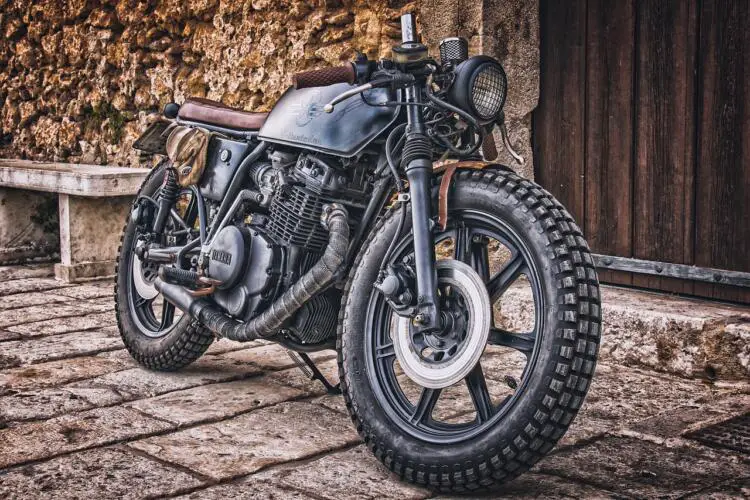
The motorcycling community comprises a group of motorcycling enthusiasts who love getting back to the basics. They might take an existing motorcycle, tear it down and reassemble it with a combination of new and old parts. Most chopper motorcycles are made from the ground up. The motorcycle is then customized to fit the rider’s personality.
Choppers have an extremely long wheelbase that has been stretched out over time giving them unique styling. Wheels are pushed forward, sometimes to the point where they appear too small for their frames. As choppers became more popular, manufacturers began producing wheels specifically for this type of bike.
What is a Chopper Motorcycle?
The term “chopper” is actually deceiving because it infers that the motorcycle was created by chopping or cutting pieces of an original motorcycle to create a unique one. On the contrary, in most cases choppers are made from completely customized motorcycles. However, in some instances, these vehicles could be based off an existing model in which case they would be called “clones.”
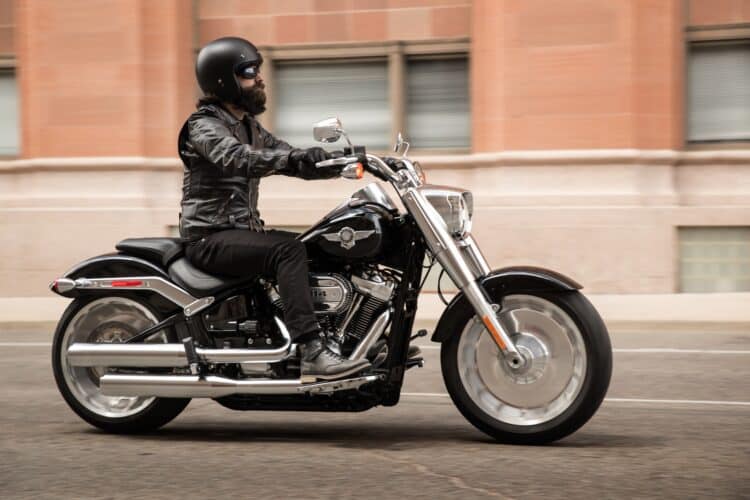
Chopper motorcycles typically have long extended front ends and larger than normal gas tanks. The extended forks were once used on choppers as part of their early suspension system but now they’re just used for aesthetics. Choppers also have stretched-out rear ends with vertically stacked lights and exhaust pipes peeping out over large frames. This styling makes them stand apart from production bikes and gives them their signature look.
Chopper motorcycles are typically seen with large, wide tires and high-rise handlebars, although there are some exceptions to this rule. The rear shocks on choppers are sometimes hidden underneath the seat allowing for an ultra-clean appearance.
A Brief History of Chopper Motorcycles
Although many people consider chopper custom bikes to be a relatively new phenomenon they have actually been around since the 1950s. During that decade motorcycle riders began experimenting with different ways to modify their rides. Some began chopping off the lower section of the frame which allowed for larger tanks and longer forks. Others added tall handlebars or stretched-out motorcycles so they could increase leg room while driving dramatically increasing cruising speeds in the process. These modifications were viewed as unnecessary back then but today we know these mods as chopper styling.
In 1964, when the movie “The Wild Ones” was released a highly-stylized motorcycle club known as The Beetles began imitating that look. Many of these bikers added extended handlebars and in some cases, they used car rims to complete their style. This early form of customizing became popular among California racers and would later be associated with outlaw motorcyclists.
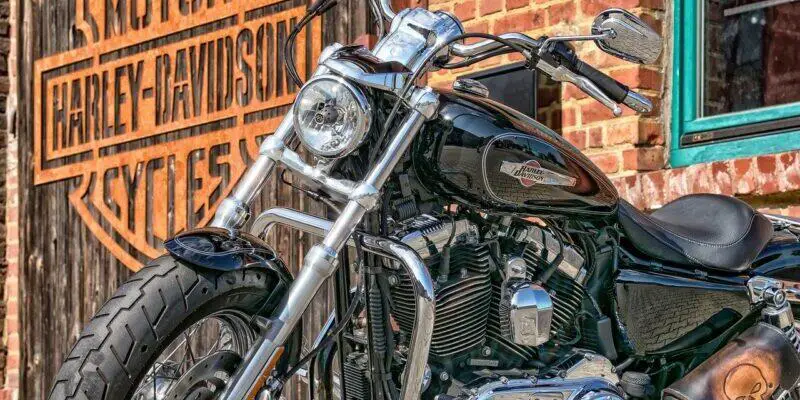
Of course, many people don’t consider this type of customization true choppers because they were simply imitations of Hollywood creations or celebrities whose lives revolved around the concept of having the biggest motorcycle possible. However, it should be noted that several other movies featuring motorcycles had an impact on chopper culture including Easy Rider, Hell’s Angels on Wheels, and The Glory Stompers which all have strong associations with the genre. Many of which were Harley Davidson choppers since they are one of the chopper-themed brands of the 20th century.
Choppers became more popular in the 70s when custom motorcycle riders began forming their own clubs. They started hanging out at biker bars, attending races and some even formed their own chopper shops. These bikes had completely customized frames with extended forks, loud exhaust, dramatic paint jobs, and extended gas tanks. They later became known as “choppers” due to their unique styling at the time.
Choppers are now rooted in American culture, especially that of California. However, they have an international audience with several chopper-themed shops popping up across the United States, Canada, Britain, and Australia.
The Chopper Era Today
Chopper motorcycles are not just popular with customizersand chopper builders but they’re also quite popular with consumers who purchase them straight from the factory. A few manufacturers have recognized this by unveiling their own models of choppers which include Harley-Davidson, Indian, Triumph, Honda, and several others.
However, many riders continue to build their own customized rides or invest in an existing one that has already been modified. These “production” choppers come in all shapes and sizes so if you plan on purchasing one it’s important to do your research beforehand. They are now available at nearly every price point imaginable so be sure to set up a budget before you begin shopping for one.
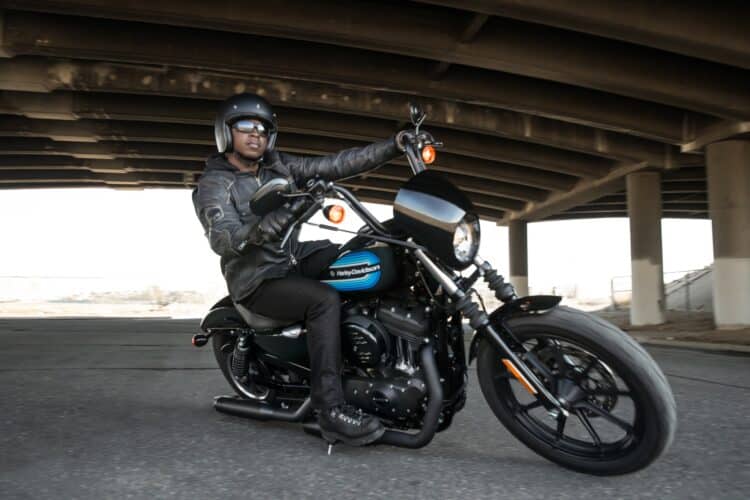
Many choppers enthusiasts prefer riding without helmets because they feel it gives them a more “macho” appearance. However, this is not only illegal in many U.S. states but also highly dangerous so if you do plan on wearing a helmet be sure to strap it on tightly and consider investing in either goggles or goggles before riding your choppers.
Chopper motorcycles are very loud and emit toxic fumes which can affect both riders and pedestrians alike so they should respect the law and all safety precautions when riding these stylish machines.
Conclusion
Chopper motorcycles are rooted in American culture and despite the fact that they’re not for everyone; they remain an iconic symbol of the custom industry. Whether you plan on purchasing one or building your own, be sure to do your homework beforehand.
Some of the best custom bikes are classic choppers which include Harley Davidson engines on a chopper frame. Some custom chopper builders have included a rear fender and rear suspension into custom choppers. West coast choppers & orange county choppers are two of the most popular builders of custom choppers. Stock bikes usually miss out heaps of extras such as custom-built exhaust pipes
These iconic motorcycles are all about personal style and expression so be proud of owning your chopper and if you decide to sell, you should be proud of the part it played in history.
Modifying your motorcycle exhaust can be sort of a mixed bag. When it comes to its coating, it can be a tricky situation. An excellent way to improve your motorcycle exhaust is by coating it.
However, it is vital to know the right kind of coating that you can use on your motorcycle exhaust.
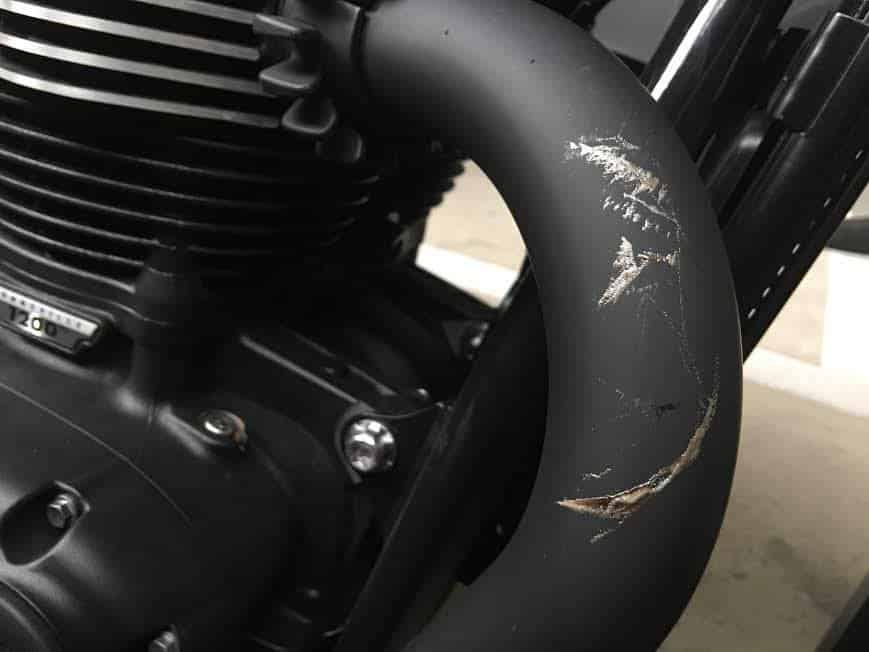
A majority of customers have complained about their motorcycles’ exhaust being painted with cheap paint that results in the paint coming off within just a few days of use or even if not used for some time, especially when exposed to heat and other harsh conditions.
Choose the Right Kind of Coating
Motorcycle enthusiasts who wish to get their bike’s exhausts coated should ensure that they choose high-quality spray paints meant for metals like stainless steel and aluminum. Some people opt for powder coating which offers excellent corrosion resistance properties. However, it has been noticed that most standard powder coats are not really up to the mark in terms of performance in motorcycles. That is due to the fact that motorcycles generate more heat than cars do; this additional heat speeds up any oxidation processes taking place. Any coating that is applied to the motorcycle’s exhaust must have good high-temperature properties.
Can Your Motorcycle Exhaust Be Powder Coated?
You can coat your motorcycle’s exhaust with either paint or powder. However, it is important for you to know that not all types of metal can be powder coated. It must be noted that some metals are not compatible with the high-temperature conditions required for curing. Aluminum and magnesium both heat up quickly and need an extremely high temperature to which they cannot bear. If these two metals are used in the manufacture of any metallic components, then no powder coating can ever be applied to them.
A powder coating shop will have a variety of powders available to them, and you should make sure that the powder used on your exhaust is meant for applications at high temperatures. It is vital that you ask a shop whether or not they use paints or powders on motorcycles’ parts.
In case you have been wondering if it’s possible to get your motorcycle’s exhaust coated with powder, then you may want to look into it from a repair shop specializing in motorcycle parts. They tend to be better informed about this area compared to other shops so feel free to contact them directly by visiting their website.
Advantages of Using Powder Coating on Your Exhaust
Powder coating provides an excellent coating of your exhaust. It is both abrasion and chemical resistant, which means that it can resist corrosion, scuffing, elastomeric solvents, and even mild acid. A normal paint on the other hand is not as good at preventing all of these things from happening to your motorcycle’s exhaust.
Using powder coating results in a surface that has a uniform thickness over the entire part. This ensures that heat transfer is minimized while also making sure that there are no weak points or areas where the metal may be exposed due to holes or scratches in the material. These are some benefits of using powder coatings overpaints on different types of applications including motorcycles’ parts like their exhausts.
Some motorcycle enthusiasts have also reported that after using powder coating on their motorcycles’ exhausts, the paint does not come off for a longer period of time. If you are planning to use your motorcycle frequently throughout the year, then this benefit may be something to keep in mind before getting your exhaust painted or powder coated.
With all these advantages associated with motorcycle parts being given a powder coating, it is evident that many people are now getting them done. And if yours should need some work done on it, then you too can get it to powder coated by taking it to an authorized repair shop that specializes in this area. They will give you options as to what kind of finish would look good on your bike’s particular model and will then proceed with giving its exhaust a powder finish.
Disadvantages of Using Powder Coating on Your Exhaust
Powder coating tends to cost more than using regular paint since it requires special equipment and tools to apply properly. Also, it takes longer for this type of coating to dry which makes turnaround time higher than normal. So if you need your exhaust done quickly, then powder coating may not be the best option because it will take quite some time before it’s ready. Another disadvantage is that it cannot be applied over some surfaces. Materials like aluminum, magnesium, and titanium cannot have powder coating done directly on them as the paint will not adhere to them as it normally should.
Conclusion
Powder coating provides a lot of benefits over regular paints for your motorcycle’s exhaust which is why many people use it now. If you want this type of coat on your motorcycle’s exhaust, then you can go ahead and contact a shop specializing in this area directly by visiting their website for more details about pricing and services.
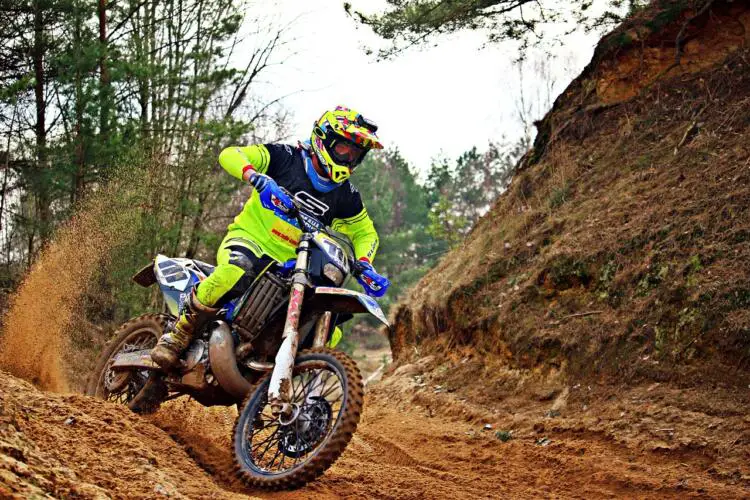
Enduro motorcycles are off-road racing bikes that are used by experienced riders for cross-country competitions of long-distance affairs.
Enduro motorcycles get their name from the word ‘endurance’ as these machines are manufactured with the sole purpose of racing in harsh conditions. These machines are tough, durable, and are a spectacle to watch when they are performing in extreme heated and tough competitions.
Here in this article, we will provide you with quite a few interesting things that you didn’t know about enduro bikes, especially if you are not a professional racer.
What is an Enduro Motorcycle?
Enduro motorcycles are tough race-ready bikes that can be classified as ‘sport’ or ‘adventure’ motorcycles. These tough machines are manufactured with the aim of being raced in off-road competitions.
This is because these motorcycles have good engines, suspension, braking systems, and other vital parts to help them perform at their maximum capacity when racing on extreme terrain.
Though there are many types of enduro bikes available for sale, they can be classified into two general categories; Enduro Racing Bikes and Adventure Touring Bikes.
More often than not, enduro motorcycles are strictly built for racing purposes because most races require that participants ride through muddy tracks where every bit of traction counts!
When you’re trying to think of a perfect example of modern enduro bikes, then it would not be wrong to say that the ‘KTM 690 Enduro R’ is a pretty suitable candidate.
This motorcycle is used in all sorts of extreme racing competitions from difficult cross country events to desert races and even big monster truck dirt track racing events!
In fact, there have been instances when people use their KTM 690 Enduro R’s for motocross racing as well.
What is an Enduro Racing Bike?
When you’re thinking of the term ‘enduro motorcycle’, these are probably the first type of motorcycles that come to your mind because they have been around for quite some time now!
Let’s just say that if you want a motorcycle that is built purely for racing, then chances are high that it will be an enduro bike!
In fact, if you can recall all those fancy photos from the internet where people were enjoying extreme off-road racing competition on their motorcycles, then chances are high that they will be enduro race bikes!
An enduro dirt bike is the single best type of bike for tough terrain, that’s why they are used in enduro racers. A normal dirt bike doesn’t give the same performance as dual sport bikes classed as enduro.
What is an Enduro Adventure Touring Bike?
If you are looking for motorcycles that can be used for off-roading but on a different scale, then these are probably the best option that you have.
Enduro adventure touring bikes are not built with racing in mind but rather on scaling up some terrain where there is no road or even on dirt tracks where max traction matters!
These machines are also called ‘Dual Sport’ motorcycles because they were designed to overcome all of the challenges that nature has to offer – whether it’s wet grounds, muddy terrains, high grasses, rocky paths, or sandy tracks!
More often than not, enduro adventure touring bikes come equipped with better suspension systems (especially shock dampers), more ergonomic riding position, and get their power from an engine that is powerful enough to take on all sorts of terrains!
These bikes are also very comfortable and accommodating, making them perfect for motoring across vast distances where you can stop at any time for a quick break.
In fact, some enduro adventure touring bikes have been specifically designed keeping in mind the comfort factor of rider and pillion alike. Many manufacturers offer their own branded range of ‘Enduro Adventure Touring Bikes’ which come with a wide selection of models – ranging from 250cc powered motorcycles up to 600cc+ liter V-twin cruisers!
6 Things to Know About Enduro Motorcycles
An Enduro Bike are Different from MX Dirt Bikes
Enduro is not a Brand but is Made by Many Manufacturers
An Enduro Bike Can Take on Crazy Terrains
Enduro Motorcyclists Have a Community of their Own
Most Enduro bikes Have Strict Requirements for Use on Public Roads
Some Enduro Motorcycles are Street Legal
Enduro Motorcycles are Different from MX Bikes
They are definitely very different from MX (motocross/dirt) bikes!
While they both do look similar, enduro bikes were built for off-road racing purposes while most MX models are crafted with the sole purpose of taking on mud and dirt tracks.
Enduro motorcycles can be used to take on any type of terrain, including dangerous ones where you might find yourself in a tricky situation.
In fact, enduro motorcycle riders need to have extremely good balance and stamina because there is no telling what kind of challenges nature will throw their way.
On the other hand, MX motorcyclists usually stick to well-groomed trails where every bit of traction matters a lot more than pure strength or balance.
Enduro is not a Brand but is Made by Many Manufacturers
Since enduro bikes are designed for racing purposes on dirt bike tracks, many motorcycle manufacturers from all over the world have been known to make their very own versions of enduro racing machines.
In particular, an Italian manufacturer named Moto Guzzi has been making a variety of enduro bikes since the year 1968 and they’re also one of the companies that started off with this concept!
But you don’t necessarily need to go for an Italian-made motorcycle because there are plenty of other options available in showrooms across the world:
Enduro Motorcycles Can Take on Crazy Terrains
This is the beauty of Enduro motorcycles!
They were designed to take on some of the most challenging terrains in the world and come out unscathed.
In fact, they are the perfect choice for people who love hitting up off-road trails but don’t want to use a dirt bike.
The best thing about enduro bikes is that they’re not expensive at all – even though some models can be pretty high-powered!
Enduro Motorcyclists Have a Community of their Own
What makes it more interesting is that there is an entire community dedicated to machines and their riders!
This community is known as ‘ Endu Ro’ and it’s a place for sharing knowledge about the best enduro motorcycles, tips and tricks on how to take on rough terrain, and even helps riders find their way around in case they get lost!
There are Enduro racers that race each other downhill and are recommended as really fun.
Most Enduro Motorcycles Have Strict Requirements for Use on Public Roads
While you might be tempted to ride your brand new enduro motorcycle across cities and highways, there are strict requirements when it comes to using these machines in public.
One such requirement is that every single enduro motorcycle manufactured after September 1st, 2009 needs to have a sticker that clearly states that it does not meet Euro 3 standards.
In other words, this means that your shiny new machine is not at all street legal!
Some Enduro Motorcycles are Street Legal
If you do want to take your enduro motorcycle on the road, there are some models that have been specifically designed for this purpose.
For example, the KTM Freeride E-XC is one of the newest street-legal enduro bikes and it’s powered by a 250cc single-cylinder engine.
So if you’re looking for an entry-level enduro motorcycle but don’t want to miss out on all of the fun and adventure of racing across extreme terrains, you might want to consider making this model your first purchase.
Conclusion
Enduro motorcycles are basically dirt bikes with an engine size of 250cc or less. This means that they were designed specifically to take on mud and rocks without any issues whatsoever!
But just because these motorcycles are intended for racing purposes, it doesn’t mean that you should treat them like dirt bikes.
On the contrary, follow all laws associated with motorcycling in your area and don’t ride recklessly – this is why enduro riders need to be extremely fit since their stronger bodies can help absorb some of the impacts from a crash.
So, always keep your safety in mind before taking part in any race or extreme competition.
When riders read about motorcycle reviews, the two terms that continuously pop up in the discussion are the rake and trail of a motorcycle.
Not just in the reviews, motorcycle dealers often tell the buyers the Rake and Trail numbers on the vehicle that they are about to buy when they are inspecting the machine minutely. So, what is a Rake and a Trail on a Motorcycle?
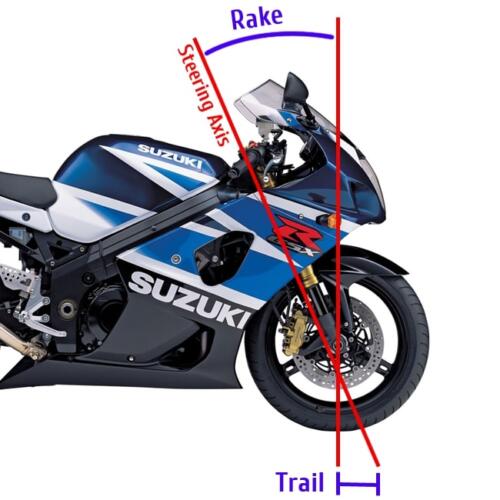
Rake and Trail refer to the angle of the front part of a motorcycle. This angle not only affects steering and rideability but also can change a rider’s body position. Let’s dive into more details.
What is a Rake on a Motorcycle?
Simply put, the word Rake is an acronym for Angle of Approach and Departure.
This means the Rake angles on a motorcycle are nothing but the angle that the front part of the bike makes with a straight line. To make it more simple, let’s say that every steering head of a bike is connected to the frame of the machine at a particular angle and this angle is called Rake.
Many riders also refer to this angle of connection as Caster. Some also call it the ‘Fork Angle’. It goes without saying that this angle varies from bike to bike – as one goes higher than another.
The rake and trail measurement highlights the angle in degrees for the tire diameter for the front wheel. There are usually editorially chosen rake and trail to support the front wheel and rear wheel for less effort at higher speeds for your motorcycle’s handling. Find out the steering axis, fork offset, steering effort, and motorcycle steering geometry with effective rake and trail calculations.
The Rake of a motorcycle is measured in degrees – it can be anywhere between 20-30 to 45 degrees. The less the vehicle leans forward, the lesser will be its Rake numbers. It increases as this angle goes higher, and henceforth, leaner on your machine means higher the number of the Rake.
It’s also important to understand that there are two types of Rakes – Positive & Negative. If you are buying a bike with positive raking all the measurements are added up together which comes out to be lesser than 180 degrees. But if you have a negative rake, then these measurements will add up to more than 180 degrees.
What Does the Rake Do?
The Rake of a motorcycle affects its stability. A lower Rake means that the bike is more stable, but it may have more rolling on turns.
Also, due to this reason, if you are riding at high speeds then an increased Rake will provide you with good control on the handlebars even when the machine is moving fast.
The rake angle gives an insight into the steering geometry for motorcycles. You get a clear measurement and idea for the front axle, triple clamps, and how to change trail effectively.
On the other hand, an increased Rake can also help with agility and weight distribution at slow speeds or while making sharp curves or twists at low speeds.
Risks Associated with Higher Amounts of Rake
If too much angle (i.e., Rake) is provided in the steering head tube, it’s not only likely to make handling tricky but can prove to be dangerous for the rider.
This is because when you are riding at high speeds, any slight distraction (i.e., anything that makes the bike move) can make it swerve off in an unexpected manner.
This can lead to accidents resulting in serious injuries and even fatalities. A negative rake provides the least amount of stability making it dangerous for road riders who like to go fast on their machines.
What is a Trail on a Motorcycle?
The word Trail means the distance between where your front wheel touches the ground and the point where the steering stem is mounted to your frame of the motorcycle. This line or distance is called ‘Trail’.
For example – if your front wheel’s Ground Clearance is 4 inches, then this number multiplied by 2, will give you the Trail of your machine.
This is because your front wheel touches the ground for 4 inches and then there are two more dimensions to it that include – the steering stem length (which is normally 1/4 inch) and the top of the tire which makes up another inch.
Consequently, if you have a Ground Clearance measurement of 4 inches, then Trail figures out to be 5 inches.
Riding with this kind of number involves high stability but at the same time reduces agility as well as makes controls heavy. It also gives you stability at speeds under 40 mph but tends to become unstable very quickly when the speed crosses that mark.
What Does the Trail Do?
As far as motorcycle reviews are concerned, the Trail is an important measure that helps riders determine the kind of handling their machine will have. It affects how your machine reacts to steering input – both at low speeds as well as at high speeds. The more the Trail, the lesser you’ll need to steer.
Also, it’s not necessary that a bike with greater Trail has better handling, because sometimes manufacturers also increase this figure purely for osmetic purposes.
Another thing that can happen is that larger tire diameters affect your Ground Clearance measurements, causing Machine Roll and making them less maneuverable on hilly terrain or unstable road conditions.
For example – if you are riding on roads that are covered with broken tarmac or ones where there are holes all over because of construction work – then the higher Trail value will make it harder for your motorcycle to lean into the turns.
If you have a low Trail number, then you can move your front tire quickly and easily with less risk of falling or tipping over. This also makes it easier to stop as well as take off from a standstill position.
Understanding the Rake and the Trail Numbers
What both Rake and Trail do is that they affect the Machine Roll of your motorcycle.
If you have a low Trail number, then there will be fewer Machine Roll. If it’s high, then the roll will increase in size making handling challenging for the rider.
The Rake also plays a very important role when it comes to affecting how much Machine Roll takes place on a motorcycle. If this figure is lower in a motorcycle, then again the machine won’t lean as much when turning.
However, riders must keep in mind that while riding at high speeds, having too low Rake figures can make handling difficult because when you want to turn or steer your bike with precision or accuracy, it’s not easy to achieve due to the bike’s high stability.
If you are riding a 150cc scooter at speeds of 70 mph, then your Rake number would be 47 degrees – which is quite low. But if you take it down to around 30 mph, then the same figure will be equal to 75 degrees because, at lower speeds, your motorcycle will lean more when making turns or steering it.
How Does Trail Affect Handling?
The best way to understand how Trail affects handling on motorcycles would be to consider that every inch in this measurement equals about 6 inches when it comes to Machine Roll.
For example – if you have a 4-inch Ground Clearance and 2 inches of extra height added onto that (which is equivalent to 1-inch Trail) your machine will roll over 6 inches. Now compare this to a motorcycle with 4-inch Ground Clearance and no added height (or, you can say zero Trail), then your bike will roll over 12 inches.
While the first figure of 6 inches is quite less and offers great stability at high speeds, it makes turning on highways more challenging because you cannot lean into the turn as much as you would like which means that you need to steer your bike more to make up for that loss. Consequentially, it also becomes difficult to maneuver your machine when faced with emergency maneuvers such as avoiding obstacles while riding at high speeds.
As we saw in the second example where there was zero Trail but still maintained 4-inch Ground Clearance – this offers better handling at high speeds, making it easier to lean into turns and giving the rider more control.
In this example, you can also see that when there is no added height or Trail on a motorcycle then the machine will have greater Ground Clearance and better maneuverability. This means that your bike would be able to manage obstacles like potholes and other road irregularities much better than bikes with higher Trail figures.
What Affects the Rake & the Trail?
There are many factors that affect the Rake and Trail figures of a certain motorcycle.
Since we already know that every inch of extra height (or, instead of that you can say – every inch in increased rake) makes Machine Roll of 6 inches, then let’s see what all things contribute towards affecting this number.
Age
As the age of your motorcycle increases, so does its Fork Angle because fork angles tend to become steeper as bikes grow older.
The Fork Angle is the angle at which the front forks are stuck into the head tube of a motorcycle’s frame.
This angle affects how high or low any motorcycle will sit on the roads during normal riding conditions i.e. when there is no load or passenger that needs to be carried. Some motorcycles have forks that can be adjusted, but that too depends on whether they offer this option for their particular model of bike or not.
Weight & Type
Obviously larger motorcycles with higher weights are likely to create more Machine Roll than smaller motorcycles because larger machines have slower speeds and longer wheelbases as well.
Also, if your motorcycle has a longer wheelbase then it will have lower Rake figures because the distance between the front and rear wheels is greater which causes the front end of a bike with a long wheelbase to tend towards pointing down more easily, creating a steeper Fork Angle.
Plus, different types of motorcycles will have different angles – for example, dirt bikes usually have much higher Rake angles than scooters or any other type of bike.
Road Conditions
Road conditions can also affect Machine Roll on motorcycles with varying degrees depending on what kind of surface you are riding on i.e., whether it is made up of asphalt or concrete or is unpaved terrain such as an off-road trail.
If you are riding at higher speeds then it is more likely that your motorcycle will lean into turns and this increases Machine Roll at the front end apart from just adding extra height to the overall machine.
Rider Weight
The weight of your body when you are riding also affects how much Machine Roll you might be creating on your particular motorcycle.
For example, if you ride in a neutral position with feet placed firmly on both footpegs then there is no effect on the Rake. But if you sit perched up high with your body leaning forward so that it adds 10 pounds per inch to your total height (as compared to when you were sitting upright) then the increased weight contributes towards Machine Roll which means that there would be 6 inches of a roll added onto whatever Ground Clearance figure your motorcycle has.
Hence, it is advisable to sit at a balanced position with your weight slightly forward and not leaning too much towards the handlebar so as to give you better Machine Roll control.
The best way to find out whether Rake and Trail affect how well your bike handles under different conditions is by seeking expert advice from your motorcycle dealer or mechanic who can take all these factors into consideration and then show you specific numbers across different motorcycles that would determine which one will be the most suitable for you, depending on what kind of riding style you follow or intend to employ on your bike.
Conclusion
The Machine Roll on a motorcycle is affected by many different factors, but the most influential ones are Fork Angle, Ground Clearance, Age, Weight, Type, and Road Conditions.
However, it is also important to remember that you should not let these numbers affect your buying decision too much because there are riders who seem to do just fine with Rake and Trail figures that would classify their motorcycle as being “too steep” or “not steep enough”.
Ultimately it all depends upon your riding style whether you lean towards carving corners at speed or prefer sticking to straight lines instead. So if you want more information about how much rake angle will affect your learning abilities then consider seeking advice from experts before making any final decisions about which kinds of motorcycles are best for your particular style of riding.
Motor scooters are one of the most common two-wheelers used across the globe apart from bicycles. While motorcycles generally tend to have the upper hand when it comes to good looks, speed, and performance, scooters come with certain advantages that make them a good choice to own.
It is important to note that the engine size of scooters and motorcycles are different in size and performance. Most scooter engines have small sizes than the engine size of most motorcycles.
Most people prefer to ride a scooter because scooters are fuel efficient and offer automatic transmissions even at highway speeds. Both motorcycles and scooters can ride at slower speeds but scooters cannot reach higher speeds. Companies that makes scooters have to keep a check for engine sizes, top speeds, gas tank, fuel efficiency and other factors.
Before we move on to the many advantages of scooters that make them a better choice over motorcycles, we suggest you know and understand the benefits of both these two wheeled vehicles and make your choice.
7 Reasons Why Buy A Scooter Instead Of A Motorcycle
Here are some of the most prominent reasons that make scooters a much better choice than motorcycles:
No Registration Required to Ride Scooters on the Road
One of the biggest advantages of scooter riders over motorcycles is that you do not need to register them with any authority for this two wheeled vehicle. Since they are much smaller in size, they can be easily parked anywhere and even carried inside vehicles like cars during long road journeys or commutes. This makes it possible to use them without the restrictions of license plates, registration numbers, etc.
Protective Gear Is Not Needed For Scooters Unlike Motorcycles
A motorcycle rider needs to wear special safety gear like helmets, jackets, gloves, etc. Scooter owners don’t need to buy such items separately because most scooters come equipped with all-weather protective gear in order to ensure maximum safety in case of accidents or falls. You just have to install a headlight, rearview mirrors, etc.
Scooters Are Fuel & Energy Efficient and Also Environmentally-Friendly
Scooters require much less fuel than motorcycles, which means that you will be able to enjoy more savings on fuel costs with help of scooters than you would with motorcycles. Since their engines are much smaller in size and power, they need less gas to run which is one of the most significant advantages that makes it a better choice than a motorcycle over the long-term period.
Some luxury scooters also come equipped with dual sport technology for maximum fuel efficiency. This allows riders to explore higher speeds without having to worry about running out of petrol mid-way through the road.
Price of Scooters Is Less Than Half That Of Motorcycles Saving Upfront Costs
Scooters, being less powerful than motorcycles are generally cheaper in price. It’s not just the initial costs that are lower for scooters but also the recurring expenses like registration charges, parking charges, etc. This is why even when you plan to ride your vehicle every day on both short and long routes; it still makes sense to go for a scooter instead of a motorcycle because of its low price tag.
Scooters Can Easily Pass Through Narrow Lanes & Alleys Without A Scratch
Another good reason to buy a scooter is that it can be easily passed through narrow lanes. The major disadvantage of having a motorcycle is that you may not be able to ride to certain places because of the presence of very narrow streets and alleys. A scooter, on the other hand, easily fits into these spots making it easier to commute in traffic-ridden cities like New York or Los Angeles.
Scooters Are Incredibly Easy To Park Anywhere, Any time
Planning to visit crowded tourist locations? If yes, then one thing you must remember is that these areas are always crowded with cars and motorcycles which makes it extremely difficult for people to find parking spots. On the contrary, tourists never have trouble finding vacant spaces for their scooters because they are comparatively much smaller.
Scooters are Safer Than Motorcycles In Every Way
Even if you plan to ride a motorcycle for a long period of time, you will have to take breaks from time to time. When it comes to scooters, they are much smaller and easier to handle which means that even when you decide to take short breaks, your scooter will not be running on a stand at high speeds. You have to change gears with the left foot and left hand for motorcycles but maxi scooters can easily pick up speed without gears. This makes it extremely safe in terms of safety measures as compared to motorcycles because their engines are still working at a relatively higher speed even when the ignition is turned off.
In addition, since most scooters come equipped with anti-lock braking systems (ABS), their owners can easily negotiate traffic without having too many problems with balance or control. Therefore, if you want an all-weather vehicle for daily commuting, a scooter is a much better choice as compared to a motorcycle because it can save you on fuel costs and wear and tear of the engine.
Conclusion
When it comes to buying a scooter, all you have to do is choose the model that best suits your budget and riding requirements. There are many reliable brands that sell quality models at an affordable rate so whether you want a cheap gasoline-powered scooter or a hybrid electric vehicle, you can easily get one without spending too much money on it.
Suzuki Burgmans is one of the newer models with small engines, high speeds, a footrest platform, enough room for legs and good acceleration. Similarly, Harley Davidson has many scooters with good top speed, manual transmissions, automatic transmission, manual clutch, larger engines and other features.
Ride a scooter to understand the differences between motorcycles and scooters. Motorcycles have larger wheels while scooter tires are smaller in size. There is a vast difference in the engine size of these 2-wheelers.
So, next time you find yourself confused about choosing a motorcycle or a scooter, the above points can help you make the final choice. Get more information to choose a motorcycle or scooter easily!
One of the most exhilarating experiences of riding experiences is accelerating on your motorcycle. It is not just fun, but one of the most vital aspects of riding. Basically, you wouldn’t be able to move anywhere without it.
Accelerating problems with your motorcycle can be extremely frustrating. There are times when you give it gas, but it does just the opposite, loses it. If this is happening, there are a few possible reasons why.
Probable Reasons Your Motorcycle Is Losing Power While Accelerating
Vacuum Leak On Intake Boot or Carburetor
Vacuum leaks are very common on motorcycles, especially older ones. A vacuum leak happens when there is a crack in the intake boot or the carburetor, which supplies air to your engine. When you accelerate, the pressure builds up and the crack gets larger. This causes a loss of power because not as much air is reaching your engine as it should be.
To fix this problem, you can replace your torn or cracked rubber boots with new ones. Carrying spare boots with you at all times is highly recommended if you know there’s a chance of getting stranded somewhere without one. Also, try tightening any loose screws around the carburetor before replacing anything since most cracks happen near these areas due to vibrations while riding.
Damaged Carburetor Spring
A carburetor spring might be bent or damaged and not supply enough pressure to the other components. This means that your throttle cable, which should pull the throttle open, can’t do its job. It will cause a decrease in power as your engine won’t get all of the air it needs.
When the spring is open, it might not be able to open the butterfly valve all the way, which is what controls how much air your engine receives. If you can’t fix it on your own, consider taking it to a shop and they should be able to repair or replace it for you.
Clogged Air Filter
If your air filter is clogged with dirt and debris because you haven’t been changing the oil regularly, then there’s going to be one outcome: poor acceleration. The engine needs clean air to run smoothly and efficiently, so if yours isn’t getting it, you’re losing horsepower too.
Dirty oil can also cause clogging and deterioration of parts like pistons and valves. This makes them weaker and less powerful than they should be.
Low-Quality Fuel
If you’ve been using low-quality gasoline, then it can cause your fuel system to malfunction. You need high-quality gas because it will create just the right amount of combustion for better acceleration.
This led to your motorcycle losing power while accelerating because the fuel wasn’t able to provide the power needed to accelerate at a faster rate. Using low-quality fuel can also cause your engine to run hotter and damage its components, which ultimately causes it to lose power as well.
Worn Out Spark Plugs
Worn-out spark plugs are also known to affect your motorcycle’s power performance while accelerating. When the metal center electrode erodes or corrodes completely, so does its ability to transfer electricity properly. Replacing them is usually cheaper than repairing extensive engine damage caused by running with bad spark plugs in place.
If one of these reasons is causing poor acceleration on your motorcycle, take some time to investigate and diagnose the problem before taking further action.
Carburetor Spring is Situated Backwards
Most carburetor springs are situated backward or bent in some way when you get your motorcycle. It usually happens after a fall when the throttle cable is pulled back towards the engine, bending or breaking it in the process.
If you’ve lost power while accelerating because of this reason, you’ll need to replace your broken spring with a new one. Besides that, try tightening any screws on your carburetor before buying anything since most cracks happen near these areas due to vibrations while riding.
Additional Slack in the Throttle Cable
If your throttle cable has too much slack in it, then it will not be able to pull the throttle open all the way. This means that your engine won’t get as much air as it needs to run smoothly because there’s no tension on the cable.
It can also affect your motorcycle’s acceleration performance because if you don’t have enough pressure trying to push the throttle open fast enough, then it takes longer for that process to happen and this causes a loss of power. You might even unintentionally shut off your motorcycle when trying to accelerate quickly. First, tighten any screws around the carburetor before replacing anything since most cracks happen near these areas due to vibrations while riding.
Conclusion
If you’ve been facing any of the above-mentioned issues, then your motorcycle might be losing power while accelerating and it is time you consider fixing it. Find out the exact problem and try to fix it yourself before taking it to a shop for repairs or replacement. You can follow these tips to ensure that your throttle cable won’t cause problems again in the future.
Motorcycle stores are usually closed on Mondays. When you’re dying to get your hands on a new set of bar-end mirrors for your KTM Adventure, it’s frustrating that the only place in town to buy them is also closed. Motorcycle stores are usually closed on Mondays.
The reasons are simple: when dealers have been open every day of the week since they opened their doors decades ago, it’s hard not to fall into a pattern of closing on Mondays as well. It rarely happens that a bike shop has a closed Sunday. But some owners open on Monday as an exception, so be sure you know where you can find them before venturing out on a holiday weekend or summer Saturday afternoon.
8 Reasons Why Motorcycle Shops Are Closed on Mondays
1) It’s a Tradition
2) Dealers Are Just Straight-Up Tired
3) More Time for Their Family
4) It’s Kind of Like Paying Tribute
5) The Traffic Isn’t Worth It
6) Parts Just Aren’t Available for Sale on Mondays
7) Fewer Customers Motorcycling on Mondays
1. It’s a Tradition
Where dealers don’t have much of an excuse for closing on Mondays, longstanding tradition is still the most common reason that shops close their doors on day six of the week. When a dealer has been open every day since they opened up decades ago, it’s hard not to fall into a pattern of closing on Mondays as well. The same goes for motorcycle stores that only stay open until noon or 2 pm and close at 5 pm – this traditional schedule can almost always be found during the summer months when riders are out enjoying the nice weather instead of being stuck inside working at their computer.
2. Dealers Are Just Straight-Up Tired
Running your own business isn’t easy – especially when you’re responsible for everything from making sure the front door is locked at night to negotiating deals. With an already-packed schedule of days open and hours worked, many shop owners want to take a day off after spending their Saturday dealing with customers. If you’ve ever owned your own business, you know exactly how this feels.
3. More Time for Their Family
Owners who have enough money in the bank to afford their shop staying closed on Mondays are more likely to choose that day as “family time.” After long workdays or even weekends spent working on bikes, some simply prefer quality time with loved ones over being stuck inside at work all day long.
4. It’s Kind of Like Paying Tribute
A lot of motorcycle stores are closed on Mondays because it’s their “day of rest.” It was different when they were working, but now that they’re running their own shop, dealers are choosing to honour the 6 days that God gave us. Of course, there are always practical reasons for closing on Mondays too.
5. The Traffic Isn’t Worth It
A lot of motorcycle stores are closed on Monday because even though they drive a good deal of business on weekends, any time spent checking out new inventory or handling paperwork is more than offset by the traffic during the other five days of the week. At least one dealer states that he never stays open past 2 pm anyway – not worth it! It’s also true that many dealers find themselves with extra free time when everyone else takes Monday off.
6. Parts Just Aren’t Available for Sale on Mondays!
Many motorcycle stores are closed on Mondays because the parts they sell just aren’t available that day of the week. The supply chain just doesn’t work over the weekend, so opening a shop isn’t worth it if there’s nothing to sell. While this reason might not be common, it goes to show how reliant dealers can be on distributors and manufacturers who need to restock before they open their doors again. In case of emergencies, you may have to order parts of the right size from LLC DBA internet brands and search through the navbar menu. Additionally, it may not be delivered on the same day.
7. Fewer Customers Motorcycling on Mondays
One of the reasons why bike shops remain closed on Mondays is that there are fewer customers for motorcycling. According to Cycling World, fewer motorcyclists ride their bikes on Mondays because they’re recovering from the weekend’s riding. When you add in the drop-off in sales due to holiday weekends and summer months when people are out of town, Monday suffers the biggest hit.
Most owners work on Sundays and the customers enjoy riding for long hours during the weekend. It makes sense if a shop is closed after a busy sale day or race day.
Can a Closed Motorcycle Shop Be the Reason Why My Motorcycle Won’t Start?
Can a closed motorcycle shop be the reason why your motorcycle won’t start? While a closed shop may hinder your ability to get professional assistance, there are various motorcycle starting problems and solutions that you can explore before panicking. It could be a simple issue like a dead battery, faulty spark plugs, or fuel delivery problems. Checking these areas and troubleshooting them might help you get your motorcycle up and running again.
Conclusion
Several bike shops are closed on a Monday morning because of tradition and the fact that there is less opportunity to interact with customers. Google search threads show accurate Pacific Northwest dates and times for 7 days a week on the display results. Some dealers find it difficult or even undesirable to be open on Mondays because they can not keep up with the workload on weekdays, so closing shop for a day lets them catch up on their work due to which they prefer opening their shops on Tuesday morning.
They continue work through Wed Thu Fri either for 6 days or 5 days a week. Local dealership stores keep the bike shops closed for a maximum of 2 days in a week. Sun Mon is the slowest day for bike shops and a local dealer would prefer to work on a Saturday night or Sunday afternoon.
Keeping your shop open 24/7 is a lot of work, and most dealers would rather spend their day off relaxing. If you need parts or other supplies on a Monday, it is best you call around at various shops to find out which ones are closed on Mondays before driving across town.
Motorcycles are a very popular choice of the vehicle due to the minimum maintenance required and great gas mileage. However, one thing that we all know is, irrespective of whether you operate the bike with your hand or foot, engaging the clutch transfers power from the engine, the rear wheels, and transmission. The clutch also helps you to slow down without needing to press the brakes.
Motorcycle clutches are designed particularly for motorcycle usage, unlike automatics. It features internal springs which make it engage quickly and smoothly, unlike other clutches that can be pretty rough. This is why there is a smooth transition between gears when changing gear.
The friction plates, clutch springs and clutch lever are important components of the clutch assembly present on the rear wheel that make the clutch system of the motorcycle. There are slipper clutches that consume more engine oil than ordinary. It is there on the clutch hub. Friction discs offer excellent spring pressure when shifting gears on a motorcycle. The engine’s crankshaft is thrust and the engine’s power is cut.
In this article, we’ll explore the mystery behind how does a motorcycle clutch work.
What is a Motorcycle Clutch?
The clutch is a component in a motorcycle that is responsible for engaging and disengaging the transmission. It does this by using friction to connect and disconnect the engine and the transmission.
A motorcycle’s clutch helps the engine spin the transmission, which in turn rotates the rear wheel. The clutch is located on the left handlebar of the bike and it works using a series of steel plates that are compressed by hydraulic or cable actuation. Its function is to connect the input shaft to the output shaft.
Clutch lever and clutch plates are present on the rear wheel of a motorcycle. The motorcycle clutch has friction plates. A motorcycle clutch pack includes clutch springs, pressure plates and other equipment. A clutch assembly consists of many important components. Friction and steel clutch plates for motorcycles helps the engine to the transmission. The gearbox input shaft and primary drive gear direct the clutch plate. The entire assembly is set up on the rear tire. Friction material helps to improve the engine power of motorcycles.
The number of plates required varies with different bikes depending on what they’ll be used for. For example, an off-road bike will have more plates as they’re designed for more power and torque.
Kinds of Motorcycle Clutches
There are three types of motorcycle clutches:
Multi-Plate Clutch
Centrifugal Clutch
Slipper Clutch
Multi-Plate Clutch
One of the most common types of multi-plate clutches, it uses a stack of alternating steel plates that are forced together by springs. When you release the clutch, the plates are allowed to move apart again and this creates the friction needed to connect or disconnect the engine and transmission.
The multi-plate clutch is found in most street bikes and it’s also known as a wet clutch because the plates are bathed in oil. This helps to keep them cool and also prevents them from rusting. A multi-plate clutch reduces the amount of force, thus making it easier to use than other types. You can also adjust the spring tension and oil level, but both of these require a lot of work and you’ll need special tools for this.
Your clutch will usually be designed with thicker plates at the top because this is where most of the load comes from due to the engine’s torque. And, as the clutch wears, the plates will become thinner.
Centrifugal Clutch
This type of clutch doesn’t use springs to force the plates together. Instead, it uses centrifugal force which is created by spinning the clutch inside a housing. As the bike speeds up, the centrifugal force increases and this causes the plates to move apart and create friction.
Many off-road bikes use centrifugal clutches because they can handle more power than multi-plate varieties. They also offer much more control over the application of power thanks to their quick response time. However, their downside is that they’re harder to operate at low speeds and you’ll require more finesse when changing gears. Motorcycles with automatic transmission use this kind of clutch.
Slipper Clutch
The final type of motorcycle clutch is the slipper. As the name suggests, this uses a series of steel plates to engage and disengage power from the engine to transmission. However, unlike multi-plate clutches, it’s designed with another set of springs that help to keep pressure on the plates. This increases friction and stops them from slipping.
A slipper clutch is found in sports bikes and is designed to help reduce wheel spin when decelerating. It does this by using the extra spring tension to keep the plates together. This allows you to downshift without fear of the rear wheel locking up and losing traction. The slipper clutch improves overall engine performance and also sharpens your bike’s acceleration. This makes it ideal for racing where maximum power is required at all times.
How Does a Motorcycle Clutch Work?
A motorcycle clutch works by using plates that are squeezed together. When you pull the clutch lever in, these plates are forced together which in turn causes the engine to stop supplying power to the transmission. This is what allows you to change gears as it disconnects the engine from the transmission. When you release the clutch lever, the springs push the plates apart which then reconnects the engine and transmission so that power can be transferred again.
In the case of a typical motorcycle clutch, the first plate is connected to the engine while the rest of them are attached to the transmission. The plates that are part of the ‘stack’ are thicker than those at the bottom because most of the load comes from above. As you pull in the clutch, you’ll move one plate forward by causing them to rotate. Since each plate has an individual coil spring, pulling the clutch will force all of them together and create friction. This is why it’s important to not pull in the clutch too quickly because you’ll increase the chances of slipping.
Conclusion
Buying a motorcycle does come with an array of benefits. But what is more important is your comfort and safety while you ride. Knowing the way in which a clutch works is key to your success while riding. And with the right motorcycle clutch, you’ll be able to shift gears like a pro in no time at all.
Now that you know how a motorcycle clutch works, what are you waiting for? Get out there and practice!
Balancing your wheels and tires before hitting the road is a great protective measure for both you and your motorcycle. Unbalanced motorcycle tires can lead to a number of problems, including decreased fuel efficiency and tire wear, as well as an increased chance of a dangerous tire blowout.
By learning how to balance motorcycle tire, you can avoid these problems and keep your bike on the road longer. With the right tools and knowledge, balancing your motorcycle tires is a relatively easy process.
On that note, let us take a brief look at how you can balance a motorcycle tire all by yourself.
Balancing a Motorcycle Tire – Setting Up a Balancer
Mount the Wheel on a Wheel Balancer
The first thing that you need to do is mount the wheel on a motorcycle wheel balancer. If you don’t have access to one, you can place the wheel in your car and drive it around on some clean roads for a while. You may be able to get away with less frequent balancing if this is the case.
Next, spin the front tire slowly and look for any wobbling or shaking of the rim. If there is any visible movement, use an axle nut wrench and turn each one of the lug nuts about 1/4 of a turn clockwise until all movement stops. Alternatively, if your motorcycle has caliper brakes, use them instead.
Setting up a Static Balancer
Mount the front tire on the motorcycle stand or balancer by tilting it back until the outer edge of the tire contacts the balancer. Most front tires are symmetrical and will balance out when mounted this way.
However, if your tire is not symmetrical, then you will need to mount it so that its heaviest part faces down towards the ground.
Push Wheel Into the Balancer
The next step is to push the wheel down firmly into the balancer until it touches the bottom. At this point, you will need to release any air pressure that you have in the tire. If there is no air pressure, then just leave it as is.
You should be able to spin your tire easily without any wobbling or shaking once its weight is balanced out against the heavy part of the tire (i.e., the inside of the rim).
Degrease the Wheels
Before you put the wheel back on your bike, it is important to degrease it. This will help to remove any built-up dirt or brake dust that may have accumulated on the rim and could cause the wheel to wobble or shake when you ride.
The wheels become easier to clean after you place them on a balancer because all of the dirt and brake dust gets pushed towards the bottom of each wheel and you can access every side of the wheel. Simply wipe down the front tire first, then do the back one.
There are a number of ways that you can decrease your wheels, but using an aerosol brake cleaner is one of the easiest. Just spray it on and let it sit for a few minutes before wiping it off with a clean rag.
Balancing a Motorcycle Tire – Levelling Your Wheel’s Weight
Rotate the Tire
Rotate the tire as smoothly as you can by hand, making sure that the valve stem is pointing up at all times. Spin the wheel a couple of times. When the wheel stops, the heavier part should be towards the bottom.
Mark the underside of the wheel using masking tape. If the wheel is not balanced, you can adjust it by using a shim on one side of the wheel. For example, if the heavier part of the wheel is at the 6 o’clock position, you would need to add a shim to the 12 o’clock position on the opposite side of the wheel. This will help to level out the weight and make it easier to spin without wobbling or shaking.
Tie The Wheel Weight
When you put the wheel back on your bike, you should tie or secure the weights so that they cannot come loose and fall off. This will ensure that the shims stay in place and do not get damaged while you are riding.
Fix it securely using masking tape. Purchase glued wheel buttons if you want to be extra safe.
Add Weights to Balance the Wheel
Tie the weights to the lightest portion on the top side of the wheel (i.e., the 6 o’clock position) on each side of your motorcycle. If you are having trouble, it may be easier to move the weights down one position on each side (i.e., from 12 o’clock to 1 o’clock).
Make sure that you attach the weights securely using some metal wire or some glue. This way, they will not fall off while you are riding your motorcycle.
There are a number of different types of wheel weights available for motorcycles, but if you have alloy wheels, you should not use lead wheel weights. Instead, use a non-ferrous metal such as brass or aluminum to keep from damaging your wheels.
Do Not Use Additional Weights
Do not use additional weights to try and balance the wheel. This could cause the wheel to become unbalanced again and may even damage your motorcycle.
When you are finished, test out your newly balanced wheel by spinning it a few times. If it still wobbles or shakes, then you may need to add more weights or adjust the shims until the wheel is completely balanced.
A Final Check
Once you have finished balancing the wheel, take a look at the tire itself. Make sure that there is no debris or anything else that could cause a problem while you are riding. Clean off any dirt or mud and check the pressure.
If everything looks good, put your helmet back on and hit the open road!
Conclusion
Wheel weights help to balance motorcycle tires. The Tire pressure of an unbalanced motorcycle tire can loosen the adhesive wheel weights. Wheel bearings and axle pinch bolts are important components to balance tires for motorcycles. A brake caliper helps in wheel balancing. Old wheel weights can sometimes affect the balance of the motorcycle tire. The wheel spindle is the light spot to maintain the balance of the motorcycle tired. Unbalanced wheels lead to poor fuel economy of the motorcycle as well.
There you have it! By following these simple steps, you can help to keep your motorcycle’s wheels in balance and avoid annoying wobbles.
A perfectly balanced motorcycle tire is the key to a smooth and safe ride. You will also save money and time by keeping your tires from being damaged or worn out prematurely. So, maintain the balance and ride away!
When it comes to customizing a motorcycle wrapping is one of the coolest options compared to painting.
The best thing about a motorcycle wrap is that the change will not be permanent and therefore if at any point in time you get bored by the look of your motorcycle, you can simply peel off the wrap, without causing any damage to the bike.
However, wrapping a motorcycle involves a lot of factors including which material you want to use as motorcycle paint, which parts of your bike do you want to wrap, etc. So, we have compiled this article for you which will provide you with all the necessary information regarding motorbike wrap.
Let’s get into it!
Cost to Wrap a Motorcycle
Before getting any further, let’s answer the question of how much does it cost to wrap a motorcycle. The answer is somewhere around $1,500 to $4,000. However, this range is not the ultimatum as the final cost will depend on the quality and type of material you use, the parts you choose to wrap, and how labor-intensive or tedious the job is.
If you choose a high-quality material to fully wrap your bike, the cost may even exceed $5,000 as well.
There are three different types of wrapping that you can settle for:
High-end Wrapping
Average-end Wrapping
Low-end Wrapping
High-end Wrapping
High-end wrapping is the most expensive and time-consuming option, but it also provides the best results. If you’re looking to wrap your motorcycle with high-end material, the cost is likely to exceed $5,000.
Some of the materials that are used in this process are vinyl, carbon fiber, 3M DiNoc, and brushed aluminum.
The process of doing a high-end wrap usually requires the services of a professional who has adequate experience in this field. The labor cost is also significantly higher as compared to other types of wraps. Vinyl wraps are the best DIY motorcycle wrap than a custom paint job. A vinyl film is easily available to partial wrap or custom wrap motorcycles. Vinyl wrap is the favourite option of motorcycle riders who also love the artwork on their rides. These are way better than the stock paint. A heat gun is used to install a vinyl wrap for custom graphics on motorcycles. The gas tank is the best place to apply vinyl films. Vinyl wrapping has carbon fiber that acts as a protective layer in the paint method. Pressure activated adhesive is used for creating a smooth surface on the motorcycle. The ultimate customization sets the resale value of the motorbike. A full wrap completely changes the look of the bike.
Average-end Wrapping
If you’re looking for something that’s not as drastic as high-end wrapping but still want to add a little bit of custom touch to your bike, then this is the best option.
The average-end wrap works very well if you want to give your bike a new look different than the one it had when you bought it.
The process of average-end motorcycle wraps involves the use of basic spray adhesive with some quality vinyl material. The labor rate for this process would be somewhere around $1,500 to $2,500. It can also go above $3,000 as well.
Low-end Wrapping
Just like average-end wrapping, low-quality wrappings are also not permanent and can be peeled off whenever you get bored of them.
However, unlike high-end or average end wrapping; low-end wraps will not provide any sort of visual improvement in terms of higher price or better quality.
Low-end wraps are usually done with poor materials like paper, tape, and vinyl (which is basically used for wrapping furniture). The labor rate for the process would be somewhere around $600 to $900 depending on the area you live in.
Is Wrapping a Motorcycle Cheaper Than Painting It?
When considering the cost of painting a motorcycle versus wrapping it, wrapping tends to be a more economical choice. The process involves applying a vinyl covering to the bike’s surface, providing protection and customization. While the exact expenses depend on various factors, such as design complexity and quality, generally, wrapping offers a cost-effective alternative to painting a motorcycle while still achieving a unique and appealing look.
Different Materials Used for Wrapping a Motorcycle
The three prominent choices that a rider has when it comes to wrapping material of a motorcycle consists of:
Cast Vinyl
Wrap Material/Film
Real Gold/Silver
Cast Vinyl
The most common type of wrapping material is cast vinyl which is also available in three different finishes of gloss, metallic, and matte. If
If we talk about the cost, then it can vary based on your choice, for example,
Gloss Cast Vinyl: $6 to $9/sqft
Matte Cast Vinyl: $4 to $7/sqft
Metallic Cast Vinyl: $9 and above/sqft
Cast vinyl has been in use for a long time now because of its low cost and ease of installation. Compared to all other types of wrapping material available in the market today, cast vinyl is also considered the least expensive option.
Wrap Material/Film
The next most common type for motorcycle wrapping is used wrap or film. The best thing about using a wrapping material is that it will work well with both OEM parts and custom parts alike.
When it comes to cost, wrap material is a bit more expensive than cast vinyl. It usually costs around $10 to $15/sqft.
The main drawback of using wrap material is that it’s not as durable as cast vinyl and it may fade or become brittle over time.
Real Gold/Silver
If you’re looking for a truly unique and luxurious look for your motorcycle, then real gold and silver might be the best option for you.
These materials are significantly more expensive than all other types of wrapping material and can range from $50 to $100/sqft.
However, because they are real gold and silver, these materials will never fade or lose their shine.
Wrapping Labor Cost
The cost of installation of different types of motorcycle wrapping material is also very important. The more the labor time, the higher will be the cost of installation. For example, it’s clearly evident that if you hire someone who has experience with only average-end wrapping then they shouldn’t even think about charging you $500.
On average, one can expect to pay anywhere between $1,000 to $5,000 for having their motorcycle wrapped depending on the type and quality of wrapping used along with other factors like experience, etc.
Also, if you settle for partial wrapping instead of full wrapping, it will cost you in the range of $300 to $500, depending on the parts you choose to wrap and how difficult those contours of the bike are to reach properly.
The best thing about installing a custom motorcycle wrap is that there are numerous online tutorials available these days on how to wrap your bike yourself (DIY). You can always follow these home improvement videos or tutorials and wrap your bike yourself.
However, it’s always advisable to hire a professional company that specializes in motorcycle wrapping for getting done with the job.
Conclusion
Wrapping can be expensive but it will be an important decision if you want to sell your bike later on because wrapping increases the resale value of your bike by significantly adding a premium look and appearance to your ride.
Wrapping is also considered as one of the best ways to customize your bike. It will give your motorcycle an attractive look that cannot be achieved through other means like changing brake calipers etc.
It is said that there are approximately 20 colors/finishes available in cast vinyl; although some people claim even more than this number. You can also order a custom color if you want something unique for your motorcycle. The color selection for wrap material is not as diverse as cast vinyl, but it still has a good range of colors to choose from.
The bottom line is that it’s important to do some research before deciding on what type of wrapping material to use for your motorcycle. You need to consider the cost, durability, and appearance of the different types of materials before making a final decision.