Author: Joel Hathaway

  • Motorcycle Document Holder: 5 ways to Carry Documents On A Motorcycle

    Motorcycle Document Holder: 5 ways to Carry Documents On A Motorcycle

    Reading Time: 5 minutes

    Keeping all the necessary paperwork in a motorcycle can be a bit difficult because of the obvious lack of space. However, it’s important that you have the registration papers with you all the time, even while you are riding, because situations may arise on the road when you have to show them to the necessary authorities.

    Some motorcycles have additional holder boxes to store money, business papers, and other necessary rider details. You can easily install these on your motorcycles. They are made with different materials like plastic and aluminum. There are different categories of motorcycle document holders to fit your motorcycles perfectly.

    Motorcycles have lesser space for carrying additional feedback but there is always an option to make purchases. You may want to carry important details in your document holder like address proof, motorcycle insurance notice, phone numbers, or other items.

    If you are a minimalist and do not like bulky equipment on your bike, here are 5 places on your motorcycle where you can store all your necessary and important documents –

    5 Ways to Carry Documents On a Motorcycle

    Under Your Seat

    Use a Side Bag

    Inside a Tubed Document Holder

    Inside a Magnetic Stash Box

    Under Your Seat
    motorcycle seat

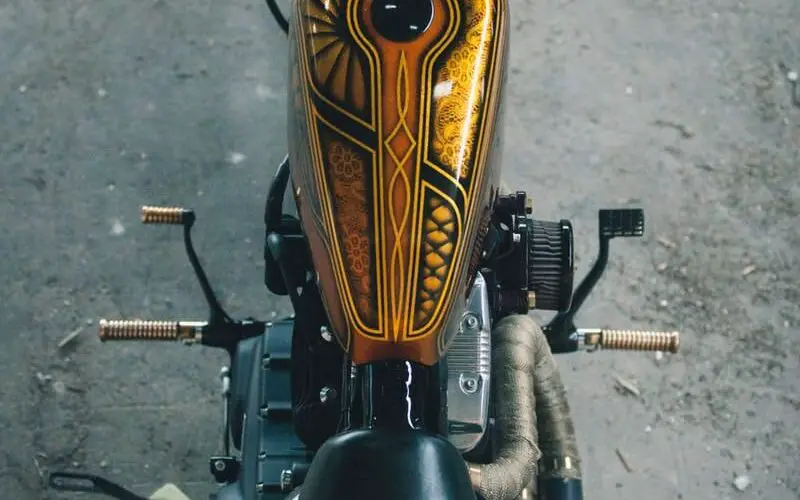
    You can opt for a document holder, which can accommodate a lot of important details, and slip it under your seat. You can use a zip-lock folder to keep all the papers together in one place.

    Just make sure that you have not lost the content somewhere between two curves because there is going to be hardly any chance of finding them again!

    The only downside of this option is the accessibility factor. If unfortunately you get pulled over for some reason, you will have to maneuver your way under your seat to take out the papers and show them to an officer. However, this option is being used by many motorcyclists who are okay with this little bit of inconvenience.

    Use a Side Bag

    If you are looking to carry your documents on the backside of your motorcycle or its side, then consider using a side bag as well as an additional shoulder strap, if necessary.

    The advantage of this method is that there is no location inside the motorcycle where you need to search for anything – everything would be stored in a convenient, visible manner.

    Also, these bags come with different levels of water and abrasion protection to keep your documents safe. Most of these bags are made with high-quality material which makes them weatherproof as well as safe on bumpy roads.

    Inside a Tubed Document Holder
    motorcycle document holder

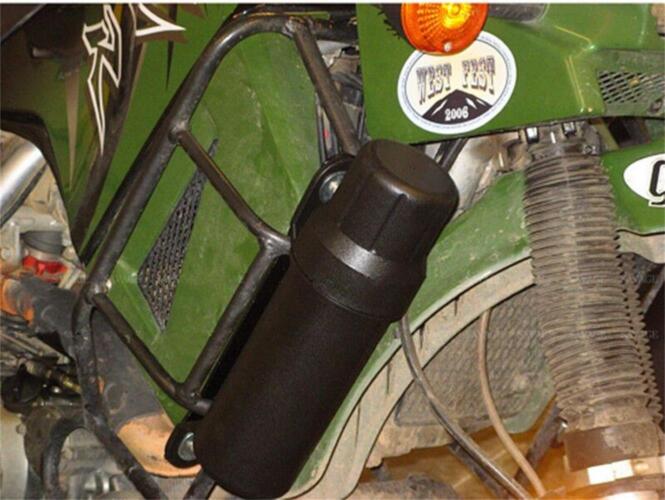
    A tubed document holder is a great way to store your documents and keep them safe from the weather. There are different types of holders available in the market, but most are made out of hardened plastic and remind me of a PVC pipe.

    These holders usually come with mounting points to screw onto certain parts of your bike. If I were a privately contracted motorcycle courier this is what I’d be using!

    Behind the License Plate

    Another option is to place all of your documents behind the license plate in the weatherproof and tamperproof container.

    This is a great option if you want to have easy access to your documents but do not want them to be seen by others. The only downside is that if you are ever pulled over, the officer may ask to see what is inside the container.

    But the added appeal of this option is that the container is hardly noticeable from the outside. Other than the rider it’s very difficult for others to spot it at first. Another advantage of this option is that the containers are quite spacious. They can hold more than your papers and are perfect for storing keychains, batteries, flash drives, and flashlights.

    However, to install a fancy container behind the license plate, you need to drill holes in the plate at first to make it fit properly to your motorcycle.

    Inside a Magnetic Stash Box

    Finally, consider using a magnetic stash box that can be attached to the motorcycle.

    This is a small, flat, and discreet container that can be hidden almost anywhere on your bike. It is perfect for storing registration papers, insurance cards, etc. And since it uses magnets, it will not fall off!

    Most importantly, these boxes are made with high-quality durable materials which give you an added advantage on the roads. They are weatherproof and some are even dustproof.

    Although these types of boxes will look like an additional set of bulky equipment on your bike, if you get a little creative and get a box that matches the body color of your motorcycle, it will easily blend with your bike without any problem.

    Conclusion

    Whichever option you choose, make sure that the place you store your documents is weatherproof and tamperproof. And whatever you do, never keep your original registration papers in your wallet! Keep them in a safe place so that you always have them when you need them.

    If you are looking for a way to carry your documents on the backside of your motorcycle or its side, then consider using a side bag as well as an additional shoulder strap, if necessary. The advantage of this method is that there is no location inside the motorcycle where you need to search for anything – everything would be stored in a convenient, visible manner.

    Also, these bags come with different levels of water and abrasion protection to keep your documents safe. Most of these bags are made with high-quality material which makes them weatherproof as well as safe on bumpy roads.

  • Motorcycle Earbuds: Best Motorcycle Riding Earbuds

    Motorcycle Earbuds: Best Motorcycle Riding Earbuds

    Reading Time: 8 minutes

    When you are riding your motorcycle on a highway or if you are going on a long-distance journey on your bike, the trip can be pretty boring especially on the long stretches of empty road. To add life to your ride, you can plug in a pair of high-quality earbuds and listen to your favorite music or podcast while you are riding your motorcycle.

    A high-quality earbud does not just help you kill the boredom of long trips if you are listening to your favorite playlist but also, it assists you a great deal in cutting the surrounding noise along with the noise of your own bike. It also adds convenience to your journey as with a wireless earbud, you do not have to halt in the middle of the road to answer a call.

    Motorcycle earbuds are a great option for motorcycle riders to protect the insides of the ears. There are different types of motorcycle earbuds with different properties. Wireless earbuds, wireless Bluetooth earbuds, noise cancelling earbuds are some of the primary options to keep a check of the background noise while riding a motorcycle. Noise cancelling earbuds have an excellent sound quality and create ambient noise when you are riding a motorcycle. It cancels wind noise and protects your ears. Bluetooth enabled devices or Bluetooth earbuds are a great option with active voice control and passive noise isolation for motorcycle riding. The latest dual noise sensor technology is employed in the best motorcycle earbuds. Wired earbuds are a risky option for riding motorcycles. Voice control technology and noise cancelling technology help to hear clearly and talk clearly while motorcycle riding. Managing phone calls are easier with an earbud that has superior sound quality. Premium silicone earbuds are another great option with inline microphone facilities within the motorcycle helmet.

    Here is our list of the 5 best noise cancellation earbuds for motorcyclists that are specifically designed to make motorcycle rides enjoyable as well as convenient –

    Anker Soundcore Liberty 2 Pro – Best Motorcycle Earbuds with Noise-Cancelling and Bluetooth

    The Anker Soundcore Liberty 2 Pro can be best described as an in-ear studio earbud because of its high quality of sound both in terms of music and calls. This pair of earbuds is equipped with wireless charging and is extremely lightweight and comfortable to wear. These earbuds have amazing battery life and are perfect for all ears of different shapes and sizes.

    The astria coaxial acoustic technology that has gone into the architecture of this earbud comes with a remarkable sound equalizer that delivers dynamic audio quality along with deeper bass and crystal clear treble. This makes sure that even when you are riding at a very high speed, the quality of the sound remains uncompromised. The handsfree function of the earbud gives you the convenience of picking the call on the go and the noise cancellation property of this product is sufficient enough to suppress all surrounding noise that you are subjected to on your wheels.

    As mentioned earlier, the battery of this pair of earbuds is also great as it offers you uninterrupted listening for 8 hours on the stretch with just a single charge, the charging system of the carrying case of the earbuds is also great as with a charge of just 10 minutes, you can get a listening span of 120 minutes. The only drawback of this product is that it makes a low hissing sound when connected to Bluetooth. 

    BUY Anker Soundcore Liberty 2 Pro NOW

    Jabra Elite Active 75t – Best Low Profile Earbuds for Helmets

    The Jabra Elite Active 75t is specifically designed for great sound quality at top speeds. This pair of earbuds is the best in class in terms of talking over the phone at high speeds as it never interferes with your listening experience. It is sweatproof, waterproof, and the ergonomic fit of the earbuds make sure that even if you are cruising through rough terrain, it stays comfortably in your ears.

    The noise-canceling property of the earbuds is unmatched and the special coating of the earbud not only adds to the noise cancellation but also, gives an added layer of security to the earbuds in case of an accidental drop. This special coating also allows the earbuds to fit securely into any ears of different shapes and sizes. In terms of cool features, this pair of earbuds comes with various application synchronizations, voice assistance, and firmware updates. With a single charge, you can get an uninterrupted listening session of around seven and half hours, which makes the battery quality of the earbuds highly appreciable. Also, with a quick charge of just 15 minutes, you will be able to listen to your favorite music for at least an hour or so.

    As this pair of earbuds is waterproof, you do not have to worry about harsh weather elements and the 4 microphones with which these earbuds are equipped will make sure you always get high audio quality when speaking to someone on the go. One minor disadvantage of this product is that the earbuds do not work independently.    

    BUY Jabra Elite Active 75t NOW

    Jaybird Vista – Best Wireless Earbuds for Motorcycle Riding

    The Jaybird Vista is the perfect choice for riders who have to stay outdoors for long durations. The reason for this is that these earbuds are made from highly durable materials and are both sweatproof and waterproof. These lightweight earbuds come in an attractive-looking case and even though they look quite small, their ergonomic fit makes them ideal for different ears of varied shapes and sizes.

    This pair of earbuds comes with a convenient volume control setup in the buds themselves, which allows you to set the volume directly from the buds. In terms of connectivity, the Bluetooth technology integrated into this product makes it highly compatible with all iOS and Android-enabled smartphones, so that you will never notice any kind of lags. With one full charge, you will get a listening span of more than 6 hours and the charging case offers you an additional duration of another 10 hours. So, in total, you will have a minimum of at least 16 hours of listening to your favorite playlist or podcast.

    This pair of earbuds has gone through a lot of testing in terms of noise cancellation and therefore, it is one of the best-in-class earbuds that are available in the market today. One downside of this pair is that the microphone quality is a little below par and thus, you might experience some audio issues while talking on the phone. 

    BUY Jaybird Vista NOW

    Sony WF-SP800N – Best Earbuds for Full Face Helmet

    The Sony WF-SP800N comes from the brand of SONY, which invariably makes it great in terms of quality of audio. Also, this pair of earbuds is equipped with Active Noise Cancellation technology which again makes it a great option for motorcycle riders.

    These earbuds from SONY are sweatproof and splashproof, which makes them highly durable for all weather conditions. In addition to this, the earbuds are powered with advanced Bluetooth 5.0 technology which makes connectivity feel like a breeze with these earbuds in your ears. One of the great features of this product is that it is Alexa enabled. This means, you can use your voice to control all the features of these earbuds and you do not have to leave the control of your bike for either disconnecting a call or changing a track. You can do everything seamlessly and effortlessly with this pair of earbuds.

    The battery life of this earbud is fantastic as it offers you 9 hours of listening time with just one charge and the charging case offers another 9 hours so that you get a total of 18 hours of uninterrupted music or podcast without any pause on your long bike journeys. If you are in a hurry, just a 10-minute charge is more than enough to give you an hour of listening time. A minor downside of this product is that it may hurt your ears after wearing it for prolonged periods of time.

    BUY Sony WF-SP800N NOW

    Anker Soundcore Life Dot 2 – Best Budget Earbuds for Helmets

    The Anker Soundcore Life Dot 2 is your best noise-canceling earbud for your motorcycle rides if budget is an issue with you. You will get Bluetooth connectivity, amazing battery life, high-quality audio output, and advanced fast charging technology; all integrated into this pair of earbuds that will not burn a significant hole in your pocket.

    The earbuds also work independently and they offer a lightweight and comfortable fit for all ears of different sizes and shapes. The sound equalizer used in this product offers a highly balanced audio output with bass and treble in perfect sync with one another so that your listening experience is always desirable even at high speeds and on rough terrains. The air-filled structure of the earbuds makes them highly comfortable for your ears and it does not cause any pain even if you wear them for long periods of time.

    A single charge will give you 8 hours of listening time and a charge of 10 minutes in the charging case is sufficient enough to give you 90 minutes of uninterrupted music. These earbuds are also water-resistant which means you can wear them in the rain without worrying about getting them damaged. One drawback of this product is that the microphones are not highly suitable for speaking to others when you are riding at a high speed. 

    BUY Anker Soundcore Life Dot 2 NOW

    Conclusion

    If you are looking to buy a pair of noise-canceling earbuds for your motorcycle rides, you can take a look at this detailed guide to help you choose the right one for you. With a high-quality noise-canceling earbud you can be sure of cutting the surrounding noise of a busy metropolis along with the noise that your bike generates on its own.

    With any of the products mentioned in this article, you can also listen to your favorite track or podcast on those long cross country commutes and you don’t have to ever keep on halting your motorcycle to answer a call or change the track.    

    Motorcycle headphones with good sound quality allowance cancel external noise. Best motorcycle headphones allow the rider to experience powerful acoustic sound, deep bass and engine noise. Wireless earbuds, noise cancelling earbuds and motorcycle Bluetooth earbuds are the best motorcycle earbuds options for the adaptive sound control function. Wear earbuds to protect the ear canal during riding. Bluetooth enabled earbuds are the best earbuds for riders.

    So, with these noise canceling earbuds, you can enjoy your rides even more than before! 

  • Buying An ATV Four Wheeler: Everything You Need to Know

    Buying An ATV Four Wheeler: Everything You Need to Know

    Reading Time: 8 minutes

    All-Terrain Vehicles or as they are popularly known as ATVs, come in different shapes and sizes. If some are designed for work, others are manufactured and engineered for recreational purposes such as racing, hunting, and ranching.

    Also, depending on the size of the vehicle, an ATV can accommodate anywhere between one to four people. While most ATVs are four-wheelers, there are some vehicles that have three wheels or six wheels and then there are some that come with 8 wheels.

    The Youth ATV club is known for its legendary raptor styling. New riders will have pure fun riding this automatic transmission four wheeler machine that also has electric start facilities. The accessories to ride an ATV are similar to motorcycle protective gear. The product size of each material varies separately and a customer can get the latest updates on new ATV four wheelers on sale. It is one of the powerful vehicles with great control.

    In this guide let us explore the four main categories of ATVs and look at the purpose they are meant for –

    Different Types of ATVs

    Here are the 4 different types of ATVs:

    • Utility ATV
    • Sport ATV
    • Side-by-Side ATV
    • Youth/Children ATV

    Utility ATVs

    Utility ATVs are the most common type of all. Utility ATVs, designed for work, come with a one-person or two-person cab that is enclosed and provides protection from wind, cold, and noise.

    In addition to being used for work, utility ATVs can also be used to transport passengers in places where it’s difficult to drive other types of vehicles. For example, if you have a large ranch or farm, a utility vehicle will help you get around fast while carrying yourself and your equipment.

    However, while this kind of ATV is great for recreation too – going out on an adventure during weekends or taking one out at the park to have some fun with friends and family – it might not achieve high speeds as sport ATVs would.

    Sport ATVs

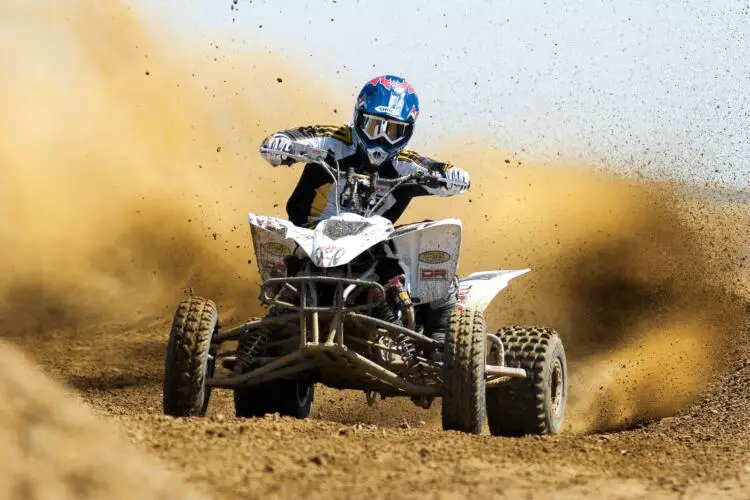
    Sport ATVs are built for speed and thrill. Engineered for use in racing, these vehicles can reach high speeds very quickly and provide a thrilling experience for the rider.

    Since they are designed for competition, sport ATVs usually don’t come with any protective covering or cab and are meant to be ridden by a single person.

    If you’re looking for an adrenaline rush, or want to take part in some competitive racing, then the sport ATV is perfect for you. Just keep in mind that they can be dangerous if not ridden correctly and it’s important to always wear safety gear when riding one.

    Side-by-Side ATVs

    Side-by-Side ATVs, as the name suggests, come with a seat that faces towards one side of the vehicle. This type of ATV can accommodate two people and usually comes with an open cab.

    These vehicles are extremely popular because they provide all the benefits of both utility and sport models – you can enjoy a leisure ride or go out to have fun at a park while still being able to carry a number of passengers.

    Youth/Children ATVs

    Of course, no child wants to be left behind when everyone else is taking off for a night ride on their Utility Vehicle!

    For parents who want their kids to enjoy the thrill but don’t want them using something too powerful or dangerous, there are youth/children models available for purchase.

    These ATVs come in smaller sizes and lower power to accommodate children and young teens. The great thing about youth ATVs is that many of them can be ridden by people that are as old as 16 years old without any license restriction!

    With youth/children models, you don’t have to worry about your little ones zooming off into the sunset. But if you’re looking for something a bit more powerful, there are models available for adults too.

    The bottom line…

    No matter what the purpose or age group – from utility ATVs designed for work purposes to sporty side-by-side models to kids’ ATVs – there is an All-Terrain Vehicle perfect for you out! Just figure out what kind of riding you want to do and what you need the ATV for, and then research which models fit that bill.

    Things You Need to Consider Before Purchasing an ATV

    Before just going out and purchasing an ATV make sure you consider the following factors:

    • Engine Size
    • 4 Stroke Engine or 2 Stroke Engine
    • Number of Persons who will Use the ATV
    • Tire Size
    • Shift Gear or Automatic Gear
    • Disc Brake or Drum Brake
    • Hand Brake or Foot Brake

    Engine Size

    The engine size is important to consider when purchasing an ATV. You want to make sure that the engine is powerful enough to handle what you will be using it for. If you are mostly going to be using your ATV for work – like transporting people or equipment – then you’ll need something with a bit more power than if you’re just using it recreationally.

    4 Stroke Engine or 2 Stroke Engine

    ATVs come either with a 4 stroke engine or a 2 stroke engine. The difference between the two is that a 4 stroke engine runs on gasoline and oil, while a 2 stroke engine uses only gasoline.

    Some people prefer 4 stroke engines because they are more fuel-efficient and emit less pollution than 2 stroke engines. However, 2 stroke engines are generally more powerful than 4 stroke ones.

    Number of Persons who will Use the ATV

    If you’re purchasing an ATV for a family or group of people, then you’ll want to make sure to get one with enough seating. Many side-by-side models can hold up to two people, while youth/children models usually have room for one or two passengers.

    Tire Size

    ATVs come with different tire sizes. Like engine size, the tire size you need depends on what you will be using it for. If you are going to be doing a lot of off-roading and trail riding, then you’ll need a vehicle with larger tires that can handle those types of terrains.

    However, if you’re going to be traveling on more regular road surfaces then a vehicle with smaller tires will be fine. Be sure to check what type of surface your ATV can handle before making a purchase!

    Shift Gear or Automatic Gear

    Automatic transmission is a popular feature for ATVs today. This feature makes it easier to operate the ATV – all you have to do is press the gas pedal and the rest is done automatically by the machine. However, there are still some models available that require manual shifting between gears when in motion.

    Depending on your comfort, choose a model that fits your needs.

    Disc Brake or Drum Brake

    Brakes come in either disc brake or drum brake options. Disc brakes offer better stopping power than drum brakes, but drum brakes are much easier to service and maintain.

    Many modern ATVs are equipped with front Disc brakes and rear Drum brakes. So, before purchasing one make sure you get a clear idea of what you are buying, and do not forget to ask the dealer about the braking system.

    Hand Brake or Foot Brake

    ATVs with hand brakes tend to be more expensive, but they are more convenient for use as well. A foot brake is easier to use than a hand brake because you don’t have to let go of the handlebars when engaging it. However, a foot brake can wear out your shoe leather if you’re constantly using it.

    Always remember that…

    An all-terrain vehicle (ATV) is a vehicle capable of driving on and off paved roads. It may also be capable of limited operation only on loose surfaces – such as sand, snow, or mud – but not legally allowed on most highways without a specially licensed driver at speeds above 25 mph (40 km/h), or roadways where the posted speed limit is greater than 25 mph (40 km/h).

    Some countries require a license to operate an ATV. In others, such as the United States, no license is required. Also, it’s important to note that usually ATVs are categorized by their engine displacement and application: utility ATVs wear a name that ends in “UT”, sports ATVs wear a name that ends in “SPORT” or “FUN,” and racing ATVs wear a name that ends in “RACING.” They are specifically designed for those purposes only but all ATVs are generally suitable for different types of terrain.

    Why is it Important for You to Find the Right Model of ATV that Suits Your Purpose?

    You need an ATV that serves your Purpose –

    When looking for the perfect ATV, you need to prioritize your needs and match those against the capabilities of each ATV model available.

    Doing so will help you narrow down which type of 4 wheeler would suit your purpose best. For instance: if you’re going to use it for heavy-duty work on a farm or ranch then an industrial-grade machine with high horsepower and big tires is what will suit your needs best.

    On the other hand, if you’re looking for a recreational vehicle (RV) that can handle light terrains like trails and beaches then something like a Yamaha Four Wheeler can really suit your needs!

    Your purpose is critical as you do not want to end up having a Sports ATV if you are looking to execute work in the farms or the ranch.

    Finally…

    Depending on your budget and application, choosing between two or four-wheelers may not be easy. But remember, a four-wheeler will give you more stability and better control on rough terrains.

    Think of the ATV’s main Application – Sport or Recreational? Utility or Work? Small or Large? What are you planning to use it for? These are some of the questions you need to consider before purchasing one.

    Bear in mind that an all-terrain vehicle (ATV) is suitable for both light and heavy-duty work, but they come in varying sizes and each type has different capabilities. You can choose between 2 wheelers and 4 wheelers depending on your comfort. Lastly remember: safety comes first; make sure to wear protective gear when riding your new four-wheeler!

    Conclusion

    At the end of the day, it’s important to find an ATV that suits your needs. Do your research, ask questions, and take a demo ride before making your purchase.

    Always remember that safety is always key, so make sure to wear all the necessary protective gear when riding.

    Happy Adventuring!

  • Are Gloves Necessary for Motorcycle: Best Safety Reasons

    Are Gloves Necessary for Motorcycle: Best Safety Reasons

    Reading Time: 4 minutes

    Everyone knows that the more protection we wear the safer we’ll be riding our motorcycles. But for a lot of us we ride with ‘most of’ the essential motorcycle gear, but usually missing something. We’ll pop to the shops and on the bike and might decide not to wear boots that day, or leave our gloves at home. Are gloves necessary for motorcycle riding?

    Bike gloves are a must for all riders, regardless of experience level. While they may seem like a frivolous purchase to some, wearing gloves offer more protection than you’d think. Motorcycle riding gloves not only protect your hands in a crash but also from the wind and cold as well as any bugs that come up while riding. There are different glove types when it comes to choosing the best motorcycle riding gloves for added protection. Some of the most common include leather gloves, summer gloves, textile gloves, short cuff gloves, street gloves, carbon fiber knuckle protection, weather protection gauntlet style gloves and other great gloves. Most gloves can be found on a bike shop or online marketplace. Carbon fiber motorcycle gloves and leather motorcycle gloves are among the best motorcycle gloves to choose from. Not all gloves are made for a bike trip. Ensure that the riding gloves fit. Wear gloves to ride a bike correctly and experience all the difference during high speeds.

    Let’s explore 7 reasons why motorcycle gloves are essential and why you should never question riding without them again!

    1. Slide protection in a crash

    When you’re out on the road and something goes wrong, such as your front tire getting caught on a tram track or someone cutting you up then swerving in front of you without signaling what will happen next? A crash is likely.

    If that happens and you go down, slide protection is incredibly important when it comes to protecting your hands. An appropriate pair of motorcycle rider gloves and other motorcycle gear can help reduce the severity of hand injuries in a crash.

    2. Impact protection in a crash

    Along with slide protection, impact protection is another key reason why motorcycle-specific gloves with padded protection are essential. When your hands hit the ground or another object during a crash, the force of that impact can be reduced by wearing motorcycle gloves. This is thanks to the padding and armor that are often built into quality gloves.

    A lot of riders will scoff at this, saying something like, “I’ve ridden for 8 years and never had a crash”. But the fact of the matter is if you’re looking at riding for life, a crash is inevitable, it’s not a matter of if you crash, it’s a matter of when. And it might be on that big touring day, but it might also be just popping down to the shops.

    3. Keeps your hands warm

    One of the main tangible reasons to wear motorcycle gloves is to keep your hands warm. This is especially important in winter when the cold can really penetrate your skin and cause discomfort or worse. Good motorcycle gloves will help keep your hands warm while cold weather riding and different weather conditions.

    Even if the weather isn’t that cold, wind-chill whilst riding 70 mph down the highway can create a numbing in your fingertips. No matter how fast your reaction speed is, cold hands will always reduce your ability to function properly.

    4. Keeps bugs off your hands

    When you’re riding down the road at 55 mph, bugs can fly into you. That’s just part of biking. but if they hit your hand you better make sure you don’t let go! And having gloves on when this happens is a good defense against bug splatters on your hands.

    5. Makes you a more confident rider

    More confident riders are better riders. They make split-second decisions that save lives, prevent crashes and keep themselves safe. And wearing motorcycle gloves is one way to help you feel more confident on your bike.

    6. Keeps your hands cleaner

    When it’s just you and the open road, dust, dirt and grime can quickly build up on your hands. This is especially the case when you’re riding off-road. A pair of gloves will help keep your hands clean and free from debris, which means you won’t have to worry about it flying into your bike and causing problems down the line.

    7. Increases grip on the handlebars

    Finally, a good pair of motorcycle gloves will also increase your grip on the handlebars. This is important because it helps you to maintain control of your bike in all situations. If your hands are slipping off the bars then you’re going to have a hard time controlling your bike, which could lead to a crash.

    Conclusion

    Motorcycle gloves are essential, there’s really no way around it. They protect you in a crash, keep your hands warm and make you a more confident rider. So before you head out for your next ride, make sure that you’ve got motorcycle gloves on!

  • Motorcycle Engine Braking: 5 Things You Should Know

    Motorcycle Engine Braking: 5 Things You Should Know

    Reading Time: 5 minutes

    Those getting into motorcycles will notice there are 3 different ways of braking, front brakes, rear brakes, and engine braking. Everyone who’s driven a manual car understands the concept of engine braking. And engine braking on a motorcycle is no different.

    Motorcycle engine braking is when you use the engine to slow the motorcycle down instead of just the brakes. When done correctly, it can be very effective at slowing the bike down with minimal input from the brake lever. Brake pads are often connected to brake lights and engine rpm directly. The motorcycle engine, rear brake pedal, rear tire, slipper clutch, clutch lever and appropriate gear affect the engine speed of the motorcycle.

    However, there are a few things you should know about engine braking before you start using it. And there are distinct pros and cons to brake pads on a motorcycle.

    Let’s get into it!

    How to perform motorcycle engine braking?

    motorcycle engine braking

    Applying engine brake is as simple as it sounds, you will use the engine to slow the motorcycle down.

    There are a few ways to do this though:

    1. Off throttle
    2. Clutch in
    3. Shift into a lower gear
    4. Clutch out
    5. Let your motorcycle’s engine do the work to slow down the bike

    The general idea of the engine brake, regardless of how it’s performed, is that you’ll pull in the clutch with your left hand and then cut the throttle with your right hand. This will allow the engine to slow the bike down without the forward momentum of the wheels.

    Is engine braking bad for my motorcycle?

    Braking the engine won’t do any more damage than standard braking to your motorcycle. When you use brakes you are only wearing down your brake pads. However, while braking the engine you are using a few more parts that can wear down.

    Firstly, if you are braking enough in one gear, then the clutch plates inside of the transmission will start to overheat and warp. However, this isn’t much of an issue when it comes to motorcycles because their clutches are designed to take a beating.

    Secondly, engine braking can also cause the rear wheel to lock up. When this happens, the rear wheel will skid and you’ll lose control of the bike.

    So, while engine braking is a great way to slow your bike down, it’s important to use it in moderation. Don’t rely on it too much or you’ll put unnecessary wear on your clutch plates and rear wheel.

    How do I know when to use engine braking?

    motorcycle engine braking

    Well, that depends on what you’re doing with the motorcycle. Anytime that you need to slow down, then feel free to apply a brake on the engine. But don’t start using it right away, wait until you really need it.

    For example, if your motorcycle is going at the speed limit and you want to go slower, then engine braking isn’t needed. You can just use the brake lever.

    Engine braking really comes into play when you need to slow down quickly or stop completely. Like if a car pulls out in front of you right as you’re approaching an intersection. In this case, engine braking can be one of your best friends, allowing you to stop quickly and safely.

    What is the Difference Between Trail Braking and Motorcycle Engine Braking?

    Trail braking is a technique used in motorcycle racing to maintain control while entering corners at high speeds. By applying the brakes and gradually releasing them while turning, the rider transfers weight to the front tire, improving grip. Motorcycle engine braking, on the other hand, is the deceleration caused by reducing throttle input without using the brakes. Unlike trail braking, which involves braking while turning, engine braking is a natural function of a motorcycle’s engine and can help control speed and stabilize the bike during cornering. Understanding the differences between these two techniques is crucial for riders seeking optimal control and performance on the track. So, what is trail braking? It’s a skillful maneuver to master, while engine braking is a natural aspect of motorcycle mechanics.

    Is it better to use the front or rear brake with engine braking?

    it is always best to use engine braking in conjunction with both front and rear brakes. Do note that by engine braking your weight will shift forward a lot on the bike, so prioritizing the rear brake is probably best.

    Is engine braking dangerous?

    Engine braking isn’t dangerous in and of itself, but it can lead to loss of control if you’re not careful.

    If you’re too heavy on the throttle and try to do an engine brake, then you risk locking up the rear wheel and sliding out. Think of it this way, when you perform an engine brake really quickly it’s the same as braking hard, quickly. This can be dangerous if you’ve just come off the throttle.

    However, by slowly reducing the throttle over time through engine braking, then you won’t have any problems. This will allow you to safely slow down with your motorcycle.

    Conclusion

    Engine braking is a great tool to have. It can help you slow your motorcycle down quickly and safely. Just be careful when doing so, especially if you haven’t practised engine braking before. Because your weight really does shift forward, it is harder to modulate than your engine power & and you can slow down very quickly.

    Of course keeping up with your motorcycle maintainence such as changing your brake fluid and bleeding your brakes will also help you brake faster without having to rely so much on engine braking.

  • A Quick Insight Into What Are Exhaust Pipes Made Of

    A Quick Insight Into What Are Exhaust Pipes Made Of

    Reading Time: 4 minutes

    Have you ever been out on a beautiful day, opened your throttle & as you heard the roar of your engine you wonder hmmm, what are exhaust pipes made of? No? Good, neither has anyone else.

    Either way, I’m going to tell you!

    Exhaust pipes are made of one of the following materials: stainless steel, mild steel, titanium, and ceramic-coated steel, depending on the make and model of the vehicle. Stainless steel is the most common because it resists corrosion and rust. A corrosion resistance exhaust system can be made with aluminized steel. An exhaust manifold and other exhaust materials should be safe and durable for optimal performance. A vehicle’s exhaust system varies depending on the rear bumper, catalytic converter, exhaust piping and other elements. Different exhaust materials like titanium alloys, cast iron and heat sensitive components affect the engine performance. Aftermarket systems have a stock exhaust for different motorcycle models along with great exhaust tips to reduce carbon monoxide and carbon dioxide harmful emissions. Titanium exhausts are highly effective for different vehicles. Exhaust material for corrosion resistance exhaust manifolds is made with carbon fiber.

    Motorcycle Exhaust pipes are no different from any other vehicle’s exhaust pipes. However, depending on the make and model of the motorcycle will depend on what type of pipe is used. Let’s break down each exhaust pipe material and discuss the pros and cons of each.

    Stainless Steel Exhaust Pipes

    Stainless steel is by far the most common material used in exhaust pipes. Different grades of stainless steel will determine what your exhaust pipe needs to be made out of for your vehicle.

    The more chromium (Cr) that is in the stainless steel will determine what type of corrosion resistance that the material possesses. The higher grade of chromium makes the more expensive and better-performing metal. Stainless steel is a great choice for exhaust pipes because it is resistant to corrosion and rust, which can prevent leaks or potential fires.

    The downside to stainless steel is that it is very easily scratched by any debris on the road, which can create a hole and allow exhaust gases to escape. So, always keep an eye on your bike for any debris that could potentially harm your pipes!

    Mild Steel Exhaust Pipes

    Mild steel is the most popular choice for motorcycle exhaust pipes because it is strong and relatively cheap compared to other materials. It is also very easily welded to any other material, which enables the manufacturer of your exhaust pipe to have greater flexibility when building it. This means that they can save time and resources by doing things like welding together different grades of stainless steel or multiple types of mild steel into one pipe.

    The downside with mild steel is that it rusts easily and can be quite brittle, so it’s not the best material if you’re looking for a long-lasting exhaust pipe.

    Titanium Exhaust Pipes

    Titanium is a very strong and light metal that is often used in aircraft and other high-end applications. It has a very low thermal expansion coefficient, which means that it doesn’t expand as much as most other metals when heated up.

    Titanium is a very expensive metal to buy, which means that you’ll probably only see it used in high-end exhaust systems from manufacturers like Yoshimura or Akrapovic. The reason that most exhaust pipes are made out of mild steel or stainless steel is that they’re much more affordable and they function just as well.

    Titanium is also known to age due to the oxidation process, but it doesn’t readily corrode like mild steel. Overall, titanium may be a great option for exhaust pipes if you’re looking for something light and strong, but at this time I typically see it being used on high-end motorcycles only.

    Ceramic Coated Steel Exhaust Pipes

    Ceramic-coated steel is a material that is becoming more and more popular in the exhaust pipe industry. It is made by coating a mild steel pipe with a ceramic material that can withstand high temperatures without breaking or corroding.

    The benefit of ceramic-coated steel is that it can resist corrosion and rust like stainless steel, but it also has the added benefit of being able to withstand high temperatures. This means that if you’re a motorcycle rider who likes to do a lot of track days or drag racing, then a ceramic-coated steel exhaust pipe would be a great option for you.

    Conclusion

    As you can see, there are many different types of materials that motorcycle exhaust pipes can be made out of. The most common material used is steel, in some way or another but depending on the manufacturer and what features you’re looking for will determine what material your exhaust pipe needs to be made out of. Keep an eye out for stainless steel, titanium, and ceramic-coated steel pipes if you’re looking to upgrade your exhaust system!

  • Can I Ride A Motorcycle Without A License?  A Rider’s Guide

    Can I Ride A Motorcycle Without A License? A Rider’s Guide

    Reading Time: 8 minutes

    Beginner riders who are looking to purchase a new motorcycle in the United States of America have this frequently asked question in their mind –“Can I ride a motorcycle in the US without having a license?”

    The answer is a straight NO! There is no way you can ride a motorcycle in any of the States of the US, legally, if you do not have a driving license. In all 50 states of America, you either need a permit for riding a bike, or a motorcycle endorsement, or a driving license if you want to legally and freely ride a motorcycle on public roads and spaces.

    In most states, motorcycle permits are required for riders who are below the age limit of 18 years. In some of the states, the minimum age required for you to obtain a motorcycle permit is either 15 or 16 years. However, in order to get a legal permit as a rider, you need to fully complete a course on ‘drivers’ education’, give a written test, and then pass a road or vision test with positive results and feedback. Only then you will be eligible for obtaining a motorcycle permit. Anywhere around the world, a license is a must for riding motorcycles. Most insurance companies offer motorcycle insurance as a safety asset against different penalties and accidents for bikes. A motorcycle impounded anywhere around the world will need a fixed penalty ticket and appropriate license to release. A motorcycle is private property so it needs to be treated like one. A license is the first step to insure a motorcycle. A motorcycle without a license and motorcycle insurance can become a liability. Insurance companies offer insurance coverage based on the range of the bike. Practice riding and appear for a written test and a riding test to get a driver’s license and legally ride the road. Unlicensed drivers are a menace. They can be caught riding in an empty parking lot. Revoked license results in increased insurance premiums.

    Let’s take a close look at the license issue

    Can I Ride A Motorcycle Without A License

    The good news is if you already have a legal driving license in the US, all you need is a motorcycle endorsement to be able to ride a bike on public roads. This credential will be added to your existing driving license as an ‘add-on’. With this endorsement, you are free to ride your motorcycle, or scooter, or moped on roads that are there for the general use of the public.

    Almost all 50 states offer this endorsement to riders who already have a regular driving license, along with an option of getting a license dedicated to motorcycles only.   

    An example of this system is applicable in the state of Florida.

    In Florida, if you have a legal driving license, and you want to ride a motorcycle or for that matter any motorized vehicle of over 50cc or more, then the law implies you either have a motorcycle endorsement on your driving license or a motorcycle-only license. The endorsement fee in the state of Florida is just $7.

    It’s important to note a critical point that in the United States, it’s legally possible for you to get a motorcycle-specific license only, without having a regular driving license.

    Penalties for Riding a Motorcycle in the US without a license

    Can I Ride a Motorcycle Without a License

    If you are riding a motorcycle on public roads in any of the states of the US, without having a motorcycle license, have no doubt in your mind that you are breaking the law. And when you break the law, you are liable to pay a fine or face legal punishment. The legal punishment even includes jail time as well in nearly all the states.

    If we take the example of California, the action of riding a motorcycle without having a license amounts to infractions or misdemeanors. If the law finds you guilty in these terms, you will be subjected to pay a fine of up to $1000 and in addition to that, you will have to serve 6 long months in jail. That’s quite harsh!

    In the case of Florida, the law will charge a fine of $500 from you, put you on probation for 6 months when you cannot even think of riding a bike and will also make you spend 60 days in a government jail. Even that’s harsh as well!

    However, it’s safe to say that depending on the state you live in, the law and the punishment schemes can be more stringent, and therefore, we always recommend you get a motorcycle license before you start your riding life. Or you can be certain of facing all those hellish punishments, which are handed to riders when they lack a valid license. 

    Is a Grom Considered a Motorcycle That Requires a License?

    Is a Grom considered a motorcycle that requires a license? Yes, it is. The motorcycle license requirements for grom are the same as for any other motorcycle. Groms have a small engine displacement, but they are still classified as motorcycles, so you will need a motorcycle license to legally operate one on public roads.

    Is it Legal for Motorcycles to Use the HOV Lane?

    Is it legal for motorcycles to use the HOV lane? Yes, motorcycles in carpool lanes are generally permitted in most states. This privilege is granted due to their smaller size, ability to navigate through traffic, and their positive impact on reducing congestion. However, it is crucial for motorcyclists to follow all applicable rules and regulations when using the HOV lane for everyone’s safety.

    How much does it Cost to Get a Motorcycle License in the US?

    Can I Ride a Motorcycle Without A License

    After riders complete their written tests and provided they pass those examinations, they need to do some paperwork and pay a certain amount of fee either to get a motorcycle-specific license or get an endorsement on their regular driving license.

    Depending on the state you are applying for your license, the fee will vary slightly and it will also depend on the age of the rider.

    More or less, for a license or an endorsement, the total fee won’t cross $50 in all the states. Quite affordable!

    For example, if we take the state of Texas, motorcycle endorsements cost 416, a motorcycle license for a rider who is under the age of 18 costs $16, and for a rider above 18 years of age, the motorcycle license will cost $18. 

    How long does it take to Get a Motorcycle License?

    For the entire official process to get complete, it takes several weeks and only after that, you will be able to get a valid motorcycle license.

    However, the time varies from one rider to another. If a rider completes his or her motorcycle safety course, passes both the written and skill exams, they will get their license in a much shorter span of time.

    In the case of young riders, the process will take a bit more time because they will have to spend a given period of time with a ‘learner’s permit’ before they actually apply for a valid license. For example in the state of California, riders whose age is below 21 years, need to have a ‘learner’s permit’ for a period of 6 months before they are eligible to take the road test for getting a motorcycle license.

    We recommend you enroll yourself and complete the government-registered motorcycle safety course. The benefit of doing this is huge as then you will be able to skip the written and road tests, and in some cases both the tests. This will significantly cut short the waiting period of getting a motorcycle license.

    Conclusion

    In a nutshell, it’s safe to say that if you have the required age and aren’t under any legal sanctions or imprisonment order, then getting a motorcycle license is easier and is of course, wiser.

    However, one thing which makes it difficult for riders who want to get complete their official formalities done in a short period of time is the entire process takes several weeks to complete. Therefore, we highly recommend all new riders who wish to ride on public roads pursue the government-registered motorcycle safety course because they will be able to get through all the tests within a week or two and also get their license soon after completing the course.

    A motorcycle license issued in one state will allow you to freely ride your motorcycle in any of the states in the US. If you do not wish to pay a hefty fine or spend a considerable amount of time in jail, it’s not just better that you get a motorcycle riding license but also, wiser. Get your motorcycle license without delay and enjoy the taste of freedom!

    Last but not least, always carry your license with you whenever you are riding your motorcycle.

    DISCLAIMER: The above is not considered legal advice, please seek out your own information from your relevant government websites.

  • Trail Braking: What is it and How to Do It?

    Trail Braking: What is it and How to Do It?

    Reading Time: 9 minutes

    Most experienced riders at some point in their riding life have wondered about the topic of trail braking. Frankly speaking, the process of trail braking is a subject for experienced and intermediate riders. It needs a lot of practice, skill, and keen attention to specific details in order to do it safely, without any risk. A straight line, front brake, brake pressure and a lean angle play an elemental role in the process.

    Before we dive deep into the subject of how to trail brake on a motorcycle and look into the tips of doing it correctly and safely, let us first understand what exactly is trail braking.

    What is Trail Braking?

    When you apply the brakes on a motorcycle, your bike will come to a stop. That’s how it works. But what if you want to slow down more gradually? Trail braking is one way of doing that, and many riders find this technique helpful for controlling their speed when descending steep hills or curving around tight corners. It also helps with slowing the bike before stopping at an intersection or traffic signal. Street riders can add lean angle points to release brake pressure for the corner exit. The combination of the braking force and front tire applications enables the process swiftly. Driving at a constant speed, steering geometry, downhill corners, turn in point, corner entry, cornering forces, steering input, tires traction and advanced technique add more grip and safety to riders. Trail braking begins when braking pressure is applied at braking points for riding improvement.

    Trail braking can be done in two ways: either by applying only the rear brake pedal while keeping pressure on both front and rear brake levers or by applying just the front brake lever while maintaining pressure on both the rear and front brake pedals. The latter method is simpler but less effective because it provides less friction between the right foot and the ground.

    In simple terms, trail braking is the act of slowing down your motorcycle right at the heart of a corner. In complex terms, trail braking is the art of applying brakes from the initial phase of the braking point, all the way up to the apex.

    How exactly do you trail brake?

    motorcycle trail braking

    To use trail braking, it is necessary to press both brakes at the same time. The brake pressure should be applied in a gradual manner so that you are able to maintain control of your bike and have an easy stop. This technique can be used in a variety of situations, but it is generally best to start with gradual applications when you are starting out.

    However, there are a few things to keep in mind when you’re trail braking:

    • As with any other type of braking, be sure to scan the road ahead for obstacles and brake early enough so that you have plenty of time to stop.
    • Keep your eyes up and look ahead; do not focus on the ground immediately in front of your bike.
    • Use both brakes evenly – do not apply more pressure to one brake than the other. This can cause your bike to skid or even flip over.
    • Apply just enough pressure on the brakes to slow down gradually without locking them up completely. If you lock up the brakes, you will lose control of your motorcycle.

    The next time you are out on the road, try to practice trail braking. You don’t have to do it all at once – feel free to break down your ride into segments and experiment with this technique as you go along.

    In a nutshell, trail braking is a method of applying brakes gradually in order to maintain control of the motorcycle and make a smooth stop without skidding or falling over; if brakes are applied too quickly they may lock up causing loss of control.

    So, you need to apply pressure evenly using both front and back levers even though the more effective way of trail braking is using the rear pedal only – novice riders should use the front lever first then switch to the rear later.

    Tips to trail braking on a motorcycle

    motorcycle trail braking

    In order to perform the skill of trail braking perfectly and safely, keep these tips in mind –

    • Always practice at a speed that you are comfortable in and on a corner that you know extremely well.
    • Stay within your limits and do not try to push your comfort zone too quickly. Remember there is no glory in meeting with an accident trying to trail brake.
    • If you know the corner really well, you can judge it correctly. But if you try to do it a new corner, first make sure that you judge it critically and accurately.
    • Always consider the weather conditions and the surface on which you are riding. If the weather is harsh or the surface is slippery, try to avoid it.
    • Be gentle on the brakes and the throttle and do not push too hard.
    • Make sure to keep the transition from the brakes to the throttle short but smooth.
    • If after a couple of fails, you think you need some help, do not hesitate to take the help of a mentor or get into an advanced motorcycle training course if you really want to do trail braking on your bike.

    Is Trail Braking Important for Handling Emergencies During Solo Motorcycle Touring?

    Solo motorcycle emergencies: tips and strategies. Trail braking is crucial for handling emergencies during solo motorcycle touring. It involves applying brakes while simultaneously cornering, allowing riders to maintain control and avoid potential hazards. This technique redistributes weight and enhances stability, giving bikers more time to react and maneuver effectively. Practicing trail braking techniques before embarking on a solo tour can significantly improve a rider’s ability to handle unforeseen emergencies on the road.

    When to use trail braking?

    motorcycle trail braking

    You can use the technique of trail braking for your motorcycle in any corner that you are riding. Though most riders prefer to use this skill on corners where they are at a high speed. however, it’s not necessary that a rider needs to be at a very high speed when they are attempting trail braking on a corner.

    The best time to employ the skillset of trail braking would be when you want to make an abrupt change in direction without losing much momentum. For example, if you were trying to take a sharp turn and wanted to maintain control over your bike throughout then applying pressure on both brakes at once before turning into the apex would do just fine.

    You can also apply brake levers gradually while making sure that they are even during slow-speed turns as well; it might prove difficult due to the weight of the bike, but with practice, you will pick up the required skill.

    The next time you’re out on your motorcycle, give trail braking a try and see how it can make your riding experience smoother and more controlled. Remember to always practice within your limits, especially when starting out!

    5 situations trail braking will help you

    Trail braking is used in many situations where you need to slow down or speed up. Here are some of the most common ones –

    You want to take a corner at high speeds, but not lose much momentum

    For example, you suddenly want to change direction but do not want to lower the speed of your bike.

    When coming out from a turn and trying to gain more control over your bike

    For example when there’s gravel on the road and you don’t have enough time for an emergency stop.

    In order to avoid pedestrians crossing over while travelling at higher speeds (this situation requires utmost concentration)

    If you feel that it’s necessary, especially if there isn’t sufficient space available for making turns without slowing down too much. However, this should only be done once proper training has been by experienced riders.

    When you need to slow down or stop quickly, but there isn’t enough time for an emergency brake.

    For example, if the surface is slippery and it’s hard to apply brakes at once without skidding. Instead of braking abruptly in such a situation, riders usually trail brake instead – this makes the weight transfer slower which gives better control over your bike while applying pressure on both levers gradually until they come into complete contact with each other.

    A smooth transition from throttle to brakes as well as the back can also be achieved by practising correct technique during training sessions conducted by experienced professionals who have trained themselves under expert supervision. In some rare cases where more space is available than necessary (such as when riding on wide roads) motorcycles might not even require trail braking.

    In such cases, it is better to avoid trail braking as the weight of your bike will be more on its rear tyre and that can result in a skid or even an accident if you suddenly apply brakes during such situations without knowing what you’re doing. Always remember that practice makes perfect – so give yourself some time before using this skill out on real roads.

    When you want more stability and control over your motorcycle

    For example, if the road is rough or the corner is sharp, you do not want to lose control over your bike trying to put the brakes in a panicking manner. In these situations, trail braking can be the solution when you gradually apply the brake without losing momentum, which in turn gives you a better degree of control over your bike.

    Conclusion

    Trail braking can be a very useful skill for any motorcycle rider to learn and practice, but only when done within the limits of your comfort. If you’re still learning how to use it then make sure that you do not push yourself while training – remember that safety comes first!

    Trail braking can be used in many different situations where one needs to slow down or speed up their bikes.

    Always ensure perfect brake control during this technique and the rider should never lose concentration or momentum from applying brakes gradually. Practice makes perfect! Always stay safe on roads even if trying out new techniques such as trail braking! More experienced riders will know better than beginners what technique works best under certain conditions so always consult them before putting yourself on the line.

  • Do Motorcycle Helmets Expire?

    Do Motorcycle Helmets Expire?

    Reading Time: 6 minutes

    Motorcycle helmets are by far the most important pieces of safety equipment a motorcyclist can have. They protect you from severe head trauma in the event of an accident and help to prevent death or serious injury. But what if I told you that the helmet you use for your motorcycle is actually compromised, even if it looked as good as the day you bought it? Would you change it? Most don’t.

    In this article, we will be looking into when to replace the helmet for the motorcycle and the age of question, do motorcycle helmets expire?

    Helmet manufacturers recommend that you replace your helmet 3 to 5 years from the ‘date of manufacture’, even if there are no signs of damage or wear. Helmet degradation happens over time and helmet production companies ask riders to change them every 5 years. Five year helmet replacement is necessary because the outer shell, helmet padding, and other liner materials are affected. Replacing helmets is the ideal option if riders notice that the existing helmets possibly degrading performance. Degrading helmets affect liner materials and other commonly encountered materials. You cannot compromise the protective characteristic of the comfort liner, inner liner, chin strap, and other components.

    So does that mean that a helmet sitting in a showroom for 3 years and never worn only has a maximum of 2 years left? Pretty much! Let’s explain.

    Is the 5-year thumb rule a marketing gimmick?

    Some people believe that the 5-year thumb rule is a marketing gimmick created by helmet manufacturers to get you to buy a new helmet more often. But this rule is actually based on scientific evidence.

    The foam in a motorcycle helmet can deteriorate over time, leading to a loss of protection in the event of an accident. The straps and other organic components can also wear out over time.

    It is for these reasons that helmet manufacturers recommend you replace your helmet every 3 to 5 years.

    While some people may argue that this is simply a way to get you to spend more money, the truth is that it is for your safety that you should replace your helmet every three years even if there is nothing wrong with it.

    How to Perform a Helmet Safety Checks

    Do Motorcycle Helmets Expire

    While the expiration date is important, it’s not the only thing you need to consider when it comes to the safety of your helmet. If your helmet has sustained any damage whatsoever it is important to perform a helmet safety check to make sure it’s good to keep using.

    Here are some tips on how to perform a helmet safety check:

    Visor: Make sure there are no cracks or scratches in the visor and that it seals properly against the helmet.

    Shell: Inspect the shell for any dents or cracks.

    Foam: Check that the foam is in good condition and has not been compressed.

    Straps: Make sure the straps are in good condition and have no fraying.

    If you find any damage to your helmet, do not use it and replace it immediately. Don’t risk your life over a $200 helmet.

    Should you replace a helmet if you drop it?

    Do Motorcycle Helmets Expire

    If you drop your helmet from more than 2 feet off the ground you should replace your helmet. Even if there is no damage that you can see, the helmet could be compromised and it’s not safe to use.

    This is because a helmet can be compromised if it is dropped from a sufficient height. Cracks and dents in the shell of a helmet can weaken it, even if you cannot see them with your naked eye.

    After dropping a helmet there is no way to know how much weaker it has become, so unless you can get a professional opinion that it is still safe, replace your helmet.

    Do not risk using a helmet that has been dropped unless you know it is safe to do so.

    Is buying a used helmet right?

    Never buy a used motorcycle helmet. There is no way to know how many times it has been dropped or what type of damage it has sustained.

    Even if you trust the person you bought your used helmet from, their standards for checking safety may not be as strict as yours; they may have missed any number of subtle cracks in the shell. This could lead to your helmet being unsafe in the event of an accident.

    It is simply not worth the risk to buy a used motorcycle helmet. Stick to buying helmets that are brand new!

    A helmet that costs a few hundred dollars is a small price to pay if it saves your life.

    Why Should Motorcycles Have Hazard Lights?

    Motorcycle hazard lights explained: Motorcycles should have hazard lights for enhanced safety. These lights provide additional visibility on the road, especially during emergencies or breakdowns. They alert other drivers, allowing them to respond accordingly and potentially avoid accidents. Motorcycle hazard lights are a crucial feature that helps protect riders and promote overall road safety.

    Should I replace my helmet after a crash?

    Even if your helmet is not visibly damaged or you don’t even think your head hit the ground you should replace it after a crash. The impact of the accident may have compromised the integrity of the foam inside or made it more prone to damage in future accidents.

    There’s no way to find out how much weaker your helmet has become until an accident happens, so always err on the side of caution and get a new one.

    The bottom line is that you should replace your motorcycle helmet every three to five years, or sooner if it has been damaged. It’s not worth risking your life over a cheap helmet. Get a new one and make sure it’s the right fit for you!

    Do unused motorcycle helmets expire?

    Do Motorcycle Helmets Expire

    Even unused helmets for motorcycles expire. Most manufacturers say 7 years from the production date or 5 years of use, however, some even say 5 years from production date!

    The reason the helmets for motorcycles are not used is that they are made with materials that can deteriorate over time. The foam in the helmet is especially prone to this and it’s the absolute most important part of your helmet!

    Conclusion

    Read your helmet’s manual for more information on when it should be replaced. If you can’t find instructions, many motorcycle dealers will be happy to inspect it for free and tell you the exact expiry date. Helmets are an investment that is worth spending money on! Even if they have a shelf life.

  • Dropping A Motorcycle: Prevention, During & Inspecting Damage

    Dropping A Motorcycle: Prevention, During & Inspecting Damage

    Reading Time: 9 minutes

    For a beginner, dropping a motorcycle is one of the most daunting things that can happen to your bike. And not just at high speeds, even at crawling speeds it is a scary situation.

    Honestly, it’s pretty embarrassing & can cause serious injury to drop your bike at zero mph. And if dropping 300 pounds of metal on your ankle isn’t bad enough, not being sure whether or not your bike has permanent damage after a drop is especially concerning for a rider’s shattered confidence.

    For a new rider on their first bike, slow speed maneuvers can be overwhelming. There is no particular reason as to exactly what causes a motorcycle to fall while riding. Experienced riders with the same bike may not fall down while riding. Crash bars are installed to elevate motorcycle safety. An experienced rider is well aware of the tips and tricks of riding a motorcycle. They know when and how to apply the front brake, understand the tipping point, know how to take U turn, and know to ride a motorcycle at slow speeds. The parking lot and a slow speed turn are common occasions for new riders to drop their motorcycle. If a rider is carrying someone in the passenger seat then they have to maintain slow speeds and take careful turns at the same time.

    There are engine guards to protect the bike engine from damage if it falls. There is ample space to practice a U turn in a gas station. Learn to control the front wheel, apply your left leg correctly, learn how to take control with your left hand, apply the foot peg properly, use the brake lever often at low speeds and use the clutch lever. Keep a check for any friction zone, stop sign, heavy traffic, and learn the proper applications of the back brake from a qualified instructor. They help you to get all your motorcycle lessons learned and prevent major damage to you and your bike. If you started riding weeks ago then higher speeds can give you a sickening feeling. Dropping the bike a couple times is a learning experience to improve your skill level.

    In this article, we are going to cover:

    • How to prevent dropping your motorcycle
    • What to do if a Motorcycle drops
    • Identify if your bike has sustained permanent damage from a drop

    How to Overcome Fear of Dropping a Motorcycle During Solo Travel?

    One of the most common fears for solo motorcycle travelers is the apprehension of dropping their bike. However, with the right techniques, overcoming fears of solo motorcycle travel is possible. Developing strong balance and control skills, practicing emergency stops and turns, and gradually building up confidence through regular riding can all help alleviate this fear. Remember, gradually overcoming fears of solo motorcycle travel takes time and practice, but it is achievable.

    How to prevent dropping your motorcycle

    Dropping a Motorcycle

    There are a few things you can do to prevent dropping your motorcycle. But ultimately what these all come down to is having good habits. Creating muscle memory around your maneuvers, riding & motorcycle etiquette will save you in the long run.

    Always double check your stand is fully extended

    Dropping a Motorcycle

    This one took me out on the first day I had my new bike. You come to a complete stop, kick your stand out and go to put your foot down. Except, you don’t realize that your stand is still up and you quickly realize this while your bike falls over. Double-checking your stand is out will save you.

    Give your bike a quick check over before every ride

    Honestly, this process takes me around 20-30 seconds. Make a habit to check your brakes are working, mirrors are correct, and check the small things like blinkers are off before every ride.

    The reason this is so important is that if you realize after you take off, and you’re trying to adjust, let’s say, your mirrors after you’ve left, you’ll be adjusting while riding. This heavily increases your chance of falling, and if you’ve already started accelerating, it can be difficult to regain control and avoid or minimize the damage of a fall.

    Always give yourself enough space when following another person on a bike

    Dropping a Motorcycle

    This has happened to me more times than I’d like to admit. But hasn’t caused me to come off the bike yet! Giving yourself enough space between you and the rider in front of you is so important. This way if they apply the brake suddenly or swerve, you have enough time to react and apply your brakes without hitting the person in front of you.

    Staying within your limits

    As riders, it is so easy to become overconfident and push our limits. This can be especially dangerous when you just got your motorcycle license or are new to riding. Take your time getting comfortable with your bike in all conditions before pushing the limits of what you’re capable of doing on a bike.

    Wear protective gear

    Even if you do all the right things, chances are, you’ll still drop a motorcycle once or twice. As someone who has dropped a bike a few times, wearing protective gear, especially motorcycle shoes makes a huge difference. Otherwise, dropping a bike can be very dangerous.

    What to do if a Motorcycle Drops

    There are a couple of different methods that riders use to save their bikes in the event of a fall, but ultimately it comes down to making contact with as much of your body as you can on the ground. The main goal is to keep the bike upright, which makes rolling to your feet easier.

    And remember, if you do go down in a crowded area and others are close to the bike when it falls, make sure you warn them not to stand or walk near where the bike lands – it could be unstable and cause more damage.

    Here are some tips on what to do during a motorcycle drop:

    Stay on the Bike as long as possible before the point of no return

    Understanding the point of no return is a very important concept when if you drop a motorcycle. This is the point in which you have been unable to stop the bike from tipping over.

    With this knowledge of the point of no return, try to stay on your bike as long as possible! Think about it this way, would you prefer to drop your bike at 50 mph or 30 mph? Every second that you stay on the bike and brake the safer your fall off the bike will be.

    Extend your braking period as much as possible.

    Keep Calm

    Once you’ve hit the point of no return, the best thing you can do is relax your body. It may seem difficult, since dropping a bike is an unexpected event, but it will help avoid throwing your leg over the bike and pushing yourself away from the bike while it’s falling.

    Don’t let the bike land on you

    Once you’ve passed the point of no return, try to get yourself away from the bike. This will help avoid the bike landing on top of you and causing more damage.

    Don’t hold the throttle

    It might sound crazy, but the number of people that twist and hold onto the throttle for dear life when their bike starts tipping is astounding. If you twist the throttle while you’re tipping off the bike it will only make it worse and is extremely dangerous.

    If you’re falling, let go of the throttle.

    Identify if your bike has sustained permanent damage from a drop

    Identifying if your bike has sustained damage from a drop is a really difficult task. but let’s give this a try!

    For drops crawling speed and below (Below 7mph)

    My general habit for what to do after dropping a bike from a crawling pace is to:

    1. Hit the motorcycle’s kill switch
    2. Check I’m ok
    3. Am I in immediate danger from other cars or vehicles? If so get out the way, if not move to step 4
    4. Deadlift the bike up & use the stand to rest the bike
    5. Walk around the bike to make sure there is no obvious damage including fuel or oil leaks, bent brake levers or handlebars, or anything else that may impede rideability.
    6. Turn bike on and let it run for 30 seconds before actually riding. While you wait listen to the sound of the bike, you can tell a lot from the sound of your bike. You’ll know if there is anything wrong.

    For drops at speed (Above 7mph)

    My general habit for what to do after dropping a bike from 7mph and above is to:

    1. Hit the motorcycle’s kill switch
    2. Check I’m ok
    3. Am I in immediate danger from other cars or vehicles? If so get out the way, if not move to step 4
    4. Make sure no one was hurt
    5. Move bike to the side of the road and rest it on the stand
    6. Walk around the bike to make sure there is no obvious damage including fuel or oil leaks, bent brake levers or handlebars, or anything else that may impede rideability. But do not try to start the bike.
    7. Call roadside assistance

    Any time you drop a motorcycle above 10mph there is a chance that something may be critically wrong with the bike and you should call roadside assistance. Practicing to park your own bike in a parking lot helps to improve your control over the rear tire. The parking spot is a safe space for long time riders who understand the value of a dropped motorcycle. If you are riding in slow motion, new riders will experience their first drop at a low speed which leaves behind a few scratches. Lost balance, oncoming traffic are some of the other reasons to tip over. Keep a check on the gas pump to ride safe. For a bigger bike, if the rider lost control then a bike fall is natural. It is easy to ride fast on a small bike but a skills test is essential for all riders. Beginners should start riding again if they tip over, especially if they have their own ride. While slow maneuvers are risky, practice can help to master them correctly. The right foot can help to control the front tire pressure. You need to make sure the bike has enough gas as well. The side stand and handle bars of a motorcycle help to prevent riders from falling down easily. The best answer for a lesson learned is more practice.

  • Motorcycle Carburetor vs Fuel Injection: The Debate Continues in 2022

    Motorcycle Carburetor vs Fuel Injection: The Debate Continues in 2022

    Reading Time: 4 minutes

    When it comes to motorcycle debates, it doesn’t get more heated than the carburetor vs fuel injection age-old debate.

    Motorcycle carburetors and fuel injectors system serve two different purposes, but they both work to deliver fuel to the engine. So what is the main difference between motorcycle carburetors vs fuel injectors?

    Fuel injectors deliver fuel more precisely at a given time, whereas a carburetor works by using air pressure to push the fuel into the engine. Most newer motorcycles come standard with fuel systems, as they are more reliable and efficient. Carbureted engines typically provide better power at high RPMs, while fuel-injected engines provide smoother acceleration and an improved economy overall.

    The fuel injectors directly affect the fuel pump, combustion chamber, engine temperature, fuel and air mixture, throttle position sensor and other components. Fuel injected motorcycles have an electronic fuel injection system for efficiency. A motorcycle carburetor affects the throttle valve and throttle response. A curburetor system is effective to maintain fuel delivery, fuel map and these bikes have internal combustion engines to raise the engine performance and fuel mixture. Fuel injected bikes with a fuel injected system keep a check on how much fuel is used, the fuel flow and the fuel tank.

    However, that’s not to say that carburetors don’t have their place!

    Let’s dive in…

    What is the difference between carburetors and fuel injection?

    Carburetors are devices for mixing air with gasoline in an internal combustion engine. The name derives from the Latin word “carburetor.” The fule system helps to deliver fuel more precisely at a given time, whereas a carburetor works by using air pressure to push the fuel into the engine. Carbureted engines typically provide better power at high RPMs, while fuel-injected engines provide smoother acceleration and an improved economy overall.

    Fuel economy over carburetors

    Smoother Acceleration

    One of the main benefits of this system over carburetors is that it provides much smoother acceleration. This is because the fuel systems can deliver a more consistent air/fuel mixture, whereas carbureted engines can be affected by outside factors such as temperature and altitude.

    Better fuel efficiency

    Another benefit of the fuel chamber over carburetors is that it delivers better fuel efficiency. Because this system can deliver a more precise mixture, less excess gasoline is burned and wasted as an emission.

    Better for the Environment

    In addition, fuel systems are also better for the environment as they produce less harmful emissions than carbureted engines.

    Benefits of carburetors over fuel injection

    Carbureted engines provide better power at high RPMs.

    When it comes to getting the absolute most torque out of your bike, a carburetor is the way to go. Carbureted engines typically provide better power at high RPMs, although this is not always the case.

    Emotional Benefits of Carburetors

    When it comes to nostalgia, carburetors win hands-down.

    Carbureted engines are a reminder of the days when motorcycles actually required a little bit of work to keep running well, and an understanding of how they operate is a point of pride for some riders.

    There are also heaps of older bikes that just run on carburetors and you can’t get them to fuel injected. Many motorcycles that are used for vintage purposes or antique purposes will only come with a carburetor.

    Carburetors sound better

    This one is subjective, but many riders feel that carburetors sound “better” than fuel systems. The sound of a carburetor at work has a certain appeal to it, and many riders find it more pleasing than the sound of the fuel system.

    Can you convert a carbureted engine into a fuel injected one?

    Fuel injection conversion kits are available for many carbureted engines, so it’s possible to switch over if you really want to. However, this is not always a simple process, and it can be expensive. It’s also important to note that not all carbureted engines are compatible with fuel injection systems.

    In the end, the choice between a carbureted engine and a fuel injected engine is mostly a matter of functional necessity. Fuel systems are typically necessary on more recent motorcycles that are fuel-injected for emission purposes, while carburetors are found on older bikes. Many riders prefer the nostalgia factor associated with having a carbureted engine, along with the greater torque and throttle response.

    Is fuel injection more reliable than carburetor?

    Generally speaking, this system is more reliable than carburetors. This is because carburetors are more susceptible to outside factors such as temperature and altitude, which can affect the air/fuel mixture. A fuel injection system is not as affected by these factors, meaning they provide more consistent performance.

    Why did Manufacturers stop using carburetors?

    Manufacturers stopped using carburetors for a number of reasons. First and foremost, fuel injection systems are more reliable and provide more consistent performance than carburetors. Additionally, fuel systems are necessary in order to meet emissions requirements, which is becoming increasingly important. Finally, many riders prefer the smoother acceleration and improved fuel efficiency of fuel injection systems.

    Are there any Motorcycle Brands that still Manufacture carburetor motorcycles?

    Honestly, I’m not too sure. From my research, I couldn’t find any motorcycle brands that still manufacture carburetor motorcycles. However, I wouldn’t be surprised if there are a few brands that still offer carbureted options as a special request or for vintage purposes.

  • The 5 Most Reliable Motorcycle Brand In 2022

    The 5 Most Reliable Motorcycle Brand In 2022

    Reading Time: 6 minutes

    Motorcycles are one of the most popular modes of transportation in the world. The number of motorcycles on the road has been steadily increasing for decades, and new models are coming out every year to keep up with demand. There are many factors that affect a motorcycle’s use-life, but some brands can be trusted more than others. So what is the most reliable motorcycle brand in 2022?

    The 5 most reliable motorcycle brands to look out for in 2022 are:

    1. Honda
    2. Suzuki
    3. Kawasaki
    4. Yamaha
    5. BMW

    Let’s face it when it comes to reliability Japanese vehicles have a history of trumping the competition, and it’s no different in the motorcycle world.

    Among other top competitors are Harley Davidson, one of the most reliable motorcycle brands in history. According to consumer reports, the best motorcycle brands are favourite among motorcycle enthusiasts because they like distinctive motorcycles and high-end customer assistance. The motorcycle business is vast and there are different bike companies that offer reliable transportation, car insurance, personal data security and low maintenance costs.

    The Harley Davidson Fat Boy, Street Glide Special, Road King are some of the most reliable bikes. Apart from Harley Davidsons, there are other Japanese brands with super reliable new bike collections. Motorcycle riders prefer reliable brands because their motorcycles are affordable, durable, low-maintenance and offer excellent safety and performance. The first bike from the top brands were mere experiments that turned out to become a sensation. During the world war, there was an emergence of much young company for motorcycles. The Americans, Germans, Japanese, Italian and other countries invented different motorcycle brands. The best motorcycle brands manufacture only motorcycles that help to create an impression worldwide.

    Can AM Motorcycles is a top Canadian company that manufacture cruiser motorcycles with a v twin engine.

    Let’s break down these 5 different brands and find out what makes them reliable.

    Honda

    most reliable motorcycle brand

    Why are Honda motorcycles considered the most reliable? Well, they’ve been around for a long time and they prioritize quality. The company has only actively produced motorcycles since 1949, but you can already see how much thought goes into each model. When you consider the fact that this is also one of the most popular motorcycle brands, you can see why they rank so high in 2022.

    The company’s production process involves the participation of every team member, starting from R&D to quality control to design and production engineering. Every step is checked while the model is still in its early stages of conception. All processes are also constantly checked and improved, so you know that the bikes you’re getting are of the highest quality.

    Honda motorcycles also have a long history of ownership. Many people keep their Honda bikes for years on end, which is a testament to the company’s quality and reliability.

    Suzuki

    most reliable motorcycle brand

    Suzuki is another Japanese motorcycle brand that has been around since the 1950s. The company has seen many changes over the last 60 years, but its quality standards have never dropped even once. This is another brand that values quality control throughout every step of the production process.

    Like Honda motorcycles, Suzuki bikes are built with durability in mind, so you can expect a model to last for dozens of thousands of miles with proper maintenance. The company is also known for its wide variety of motorcycle models, so there’s something for everyone no matter what you’re looking for.

    Kawasaki

    most reliable motorcycle brand

    Kawasaki motorcycles are some of the most popular bikes on the road today. This brand has been around since the early 1900s and they know a thing or two about making a quality product. Kawasaki is another company that takes quality control seriously, and they have the awards to prove it.

    Kawasaki has won numerous awards for its excellence in quality control, including the prestigious Deming Prize. The company has a long history of producing high-quality motorcycles that are both reliable and affordable. Kawasaki is also one of the most respected brands in the industry, so you’ll never go wrong by choosing a motorcycle from this manufacturer.

    Kawasaki motorcycles are known for their outstanding performance. Some models can even outperform cars when it comes to the mileage they will last. There’s no reason to stick to four wheels when you can get such an amazing experience from a Kawasaki bike.

    Yamaha

    most reliable motorcycle brand

    Yamaha motorcycles have been around for over 60 years, and in that time they’ve become one of the most popular motorcycle brands in the world. This is thanks to their focus on quality and innovation. Yamaha was one of the first companies to produce a cruiser bike, and they’ve continued to produce innovative models ever since.

    Yamaha has a long history of producing high-quality motorcycles that are both reliable and affordable. The company also prioritizes customer satisfaction, which is why they have one of the highest customer retention rates in the motorcycle industry. Yamaha is also known for producing some of the fastest motorcycles on the market.

    Some models can go up to 200 miles per hour, which means that they’re faster than most vehicles on the road today. The Japanese manufacturers have always been at the forefront of innovation, and their speed records are proof of their success. Of course, this has nothing to do with reliability, but speed is always fun!

    BMW

    most reliable motorcycle brand

    BMW is a German motorcycle brand that is known for its luxury and performance. The company produces a wide variety of motorcycles, from cruisers to sport bikes to touring bikes.

    BMW has a long history of producing high-quality motorcycles that are both reliable and affordable. The company also prioritizes customer satisfaction, which is why they have one of the highest customer retention rates in the motorcycle industry.

    The only downside of buying a BMW bike is that parts are more expensive than the Japanese brands in almost every part of the world except Europe. So whilst the motorcycle brand is extremely reliable, if something was to go wrong, sourcing parts can add up very quickly!

    Conclusion

    As you can see, 2021 has plenty of excellent motorcycle brands to choose from if you’re after a user-friendly motorcycle. Honda, Suzuki, Kawasaki, Yamaha, and BMW are just a few of the many options that you have when purchasing your next motorcycle. but if you want to get the most reliable bike possible, then look no further than these brands. These reliable motorcycle brands have a wide array of options for different motorcycle models and requirements.