Author: Joel Hathaway

  • What Is  Stretched Sportbike And Why Consider One

    What Is Stretched Sportbike And Why Consider One

    Reading Time: 5 minutes

    Extending the frame of a sportbike may seem like a drastic way to make it into something that is more comfortable. However, some misconceived ideas about what the stretched motorbike is, and why someone would consider such a thing, may need to be brought out in the open first.

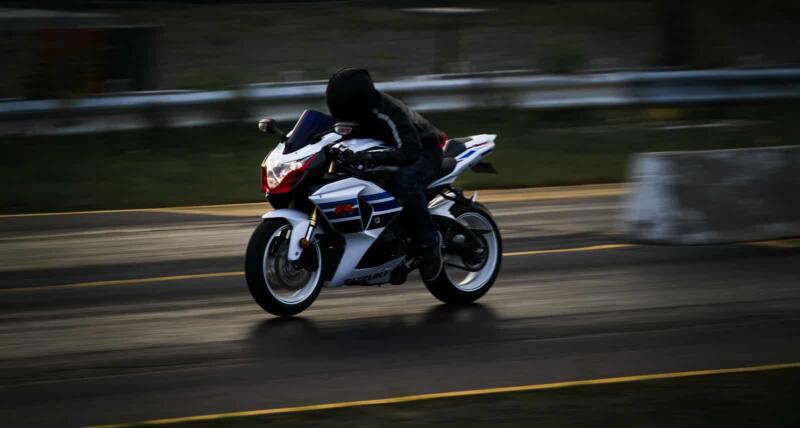
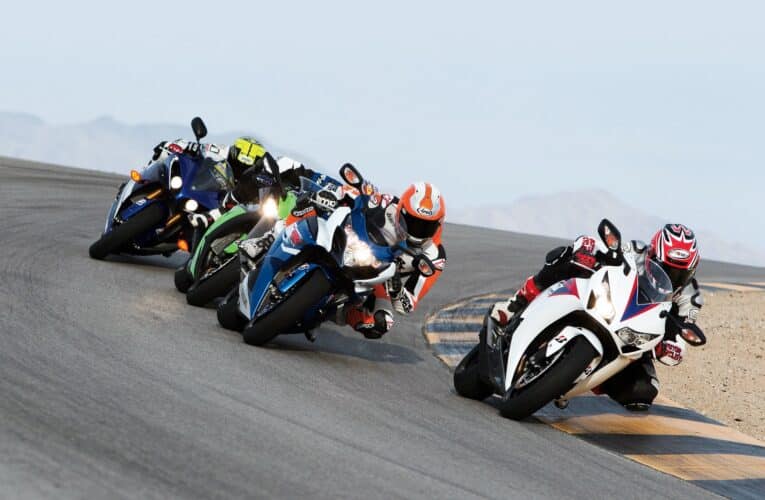
    Stretched bikes are basically known for their use in drag racing competitions. The frame is extended in order to place the rider in a more aerodynamic position, making it possible for them to achieve higher straight-line speed than what they would be able to do on a conventional sport bike.

    What Is a Stretched Sportbike?
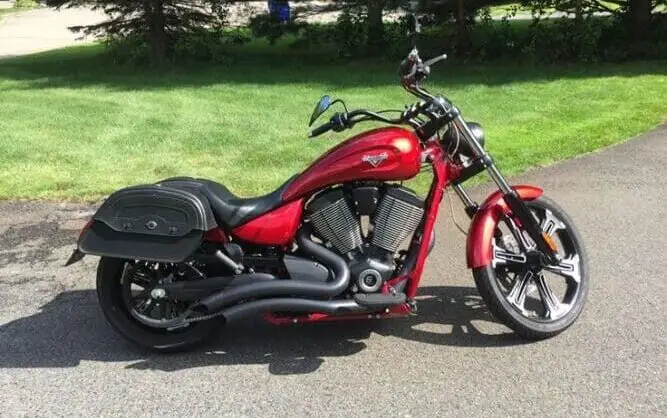
    discussion starter stretched bike

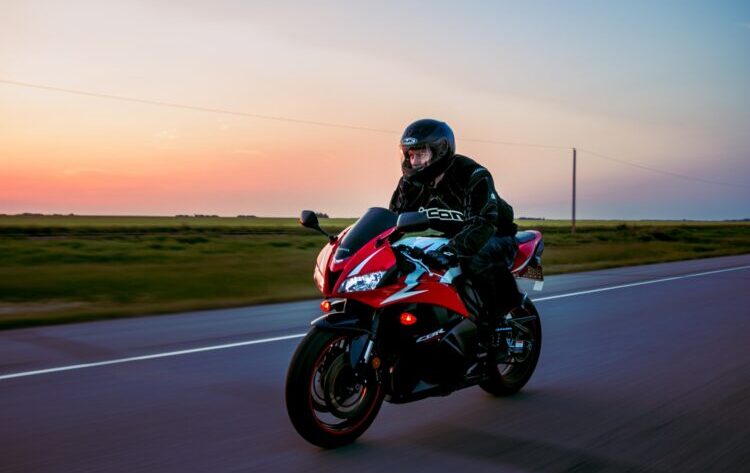
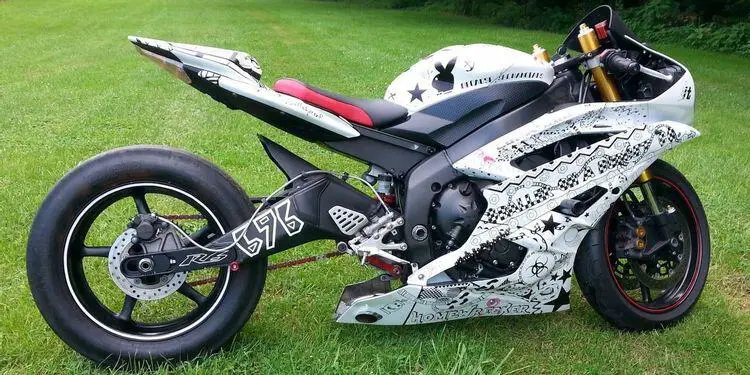
    A stretched motorbike is basically a sport bike that has had its frame and wheelbase extended in order to offer the rider a more comfortable riding position. Because of this added extension, it becomes possible for the rider to move around with ease and avoid placing too much pressure on their wrists.

    The idea behind adding this kind of extension is so as to allow riders who have longer legs as compared to what they have in their upper body, an easier time riding. In addition, those who do not have long enough arms have been known to benefit from having their handlebars stretched since they can now pull them closer towards themselves instead of being stuck with reaching outwards which would cause discomfort eventually.

    Why Consider a Stretched Motorbike?
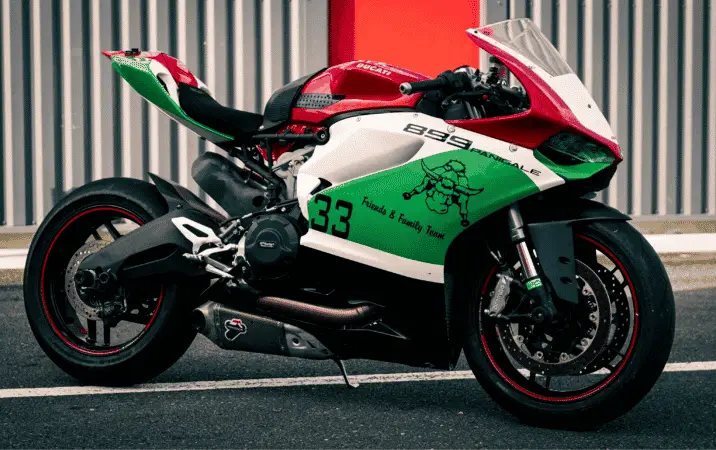
     stretched sports bike for drag racing

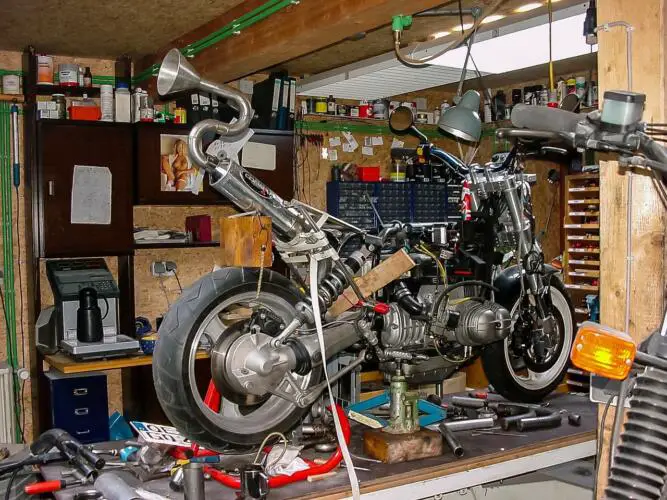
    Stretching a motorbike generally lowers its stance which in turn offers a more aerodynamic position which is beneficial for racing at the drag strip. A lower stance greatly improves the traction, which means less power is wasted on sliding, especially on corners. Extended swing arms, which hold the rear axle in place and are the key component of the rear suspension, aid in preventing the bike from taking an accidental wheelie posture when taking off. Also, the longer wheelbase makes it more difficult for a powerful engine to pull the front wheel off the ground during a drag race, maintaining control.

    An extended swing arm allows for a wider track, which in turn allows the rear tire to keep its grip better. The suspension geometry is altered as the swing arm is stretched. The whole design of a stretched motorbike is aimed towards allowing the rider to go faster over time, and stay comfortable while doing that.

    However, there are still some people who would rather have their sportbikes remain in their stock form since they feel that any modification will take away from the total performance instead of improving it.

    Still, others have mentioned the fact that having a stretched motorbike may not necessarily mean more comfort, especially during long journeys.

    Ideal Way To Extend Your Sportbike
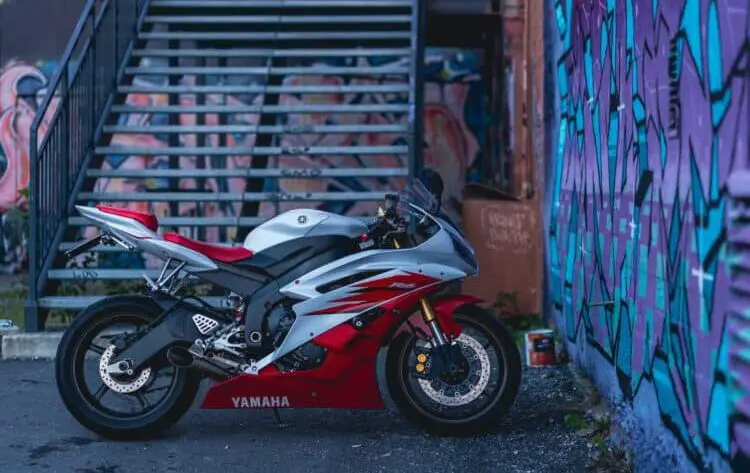
    Forums Recommended Communities- Extended Swingarm

    What’s even more important is that you get to choose exactly how your bike is going to be stretched so that you can get one that has been modified to suit your preferences and needs. It’ll help if you know what exactly are your requirements before getting started with looking through what’s on sale at this point in time.

    Many people have considered buying a sport bike from the showroom and having it stretched, instead of being stuck with purchasing one that is already modified. This way they can ensure their bike does not have any modifications done to it which may affect its performance or safety in a negative manner.

    Having a stretched motorbike is not a bad thing as long as the person doing it knows what they are doing. Making sure all changes made to the original design are practical and functional before going ahead with them will make all the difference between owning a simply modified sportbike or one that has been worked on by someone who knows exactly how these bikes work.

    Is a Stretched Sportbike Good for Commute?

    There are many other reasons why someone would consider having their sportbike stretched, but the above-mentioned ones are some of the most common ones. When it comes down to it, the decision to consider such a change really boils down to personal preference and what someone feels more comfortable with.

    With that in mind, riders should always remember that this is not an ideal modification for those who want to use them as daily commuters. The best thing about having a stretched motorbike is the fact that it can be used for racing, but not commuting.

    Although the stretched motorbike is ideal for those that race, they might not be as ideal for daily use such as commuting. This kind of bike is best left to those who race and only race.

    Conclusion

    The idea behind having a sportbike stretched is not anything new, but it’s mainly used in the world of racing. That being said, there may be some other reasons why someone would consider getting their motorbike extended when they could simply get another bike that would fit them better instead. If you want, you can join a forum community dedicated to sport bike enthusiasts and owners for better understanding.

    The only thing you should consider before stretching your sportbike is whether or not the change will affect the appearance of your vehicle in a negative manner. Despite what others might say about this kind of modification, it has its benefits if done right without compromising the engineering aspects found on every vehicle out there.

    Although this modification can help increase one’s comfort while riding, it isn’t always ideal for daily commute. So we advise you to think carefully before having your own bikes stretched. I hope you guys get enough idea about stretched bikes from this article. Happy riding!
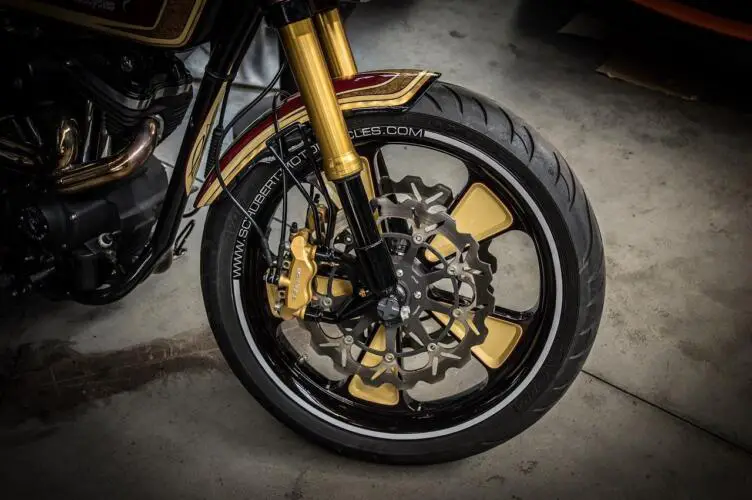
  • How To Bleed Motorcycle Brakes

    How To Bleed Motorcycle Brakes

    Reading Time: 5 minutes

    As a motorcycle rider, if you have a penchant for riding ATVs, bikes, or wheeled Powersports machines, you will eventually have to bleed your brakes. This is a part of your regular motorcycle maintenance routine that the user manual suggests you perform once or twice a year.

    Your bike’s brake fluid must be replaced at regular intervals because it degrades with use and over time. Brake fluid, which is hygroscopic, absorbs water, which means that your motorcycle’s brake system might not work as well as it did when you first bought the bike. The absorbed water reduces the boiling point of the brake fluid and can lead to a spongy feeling when braking.

    Bleeding your brakes is an important procedure that can help improve your motorcycle’s performance considerably. It doesn’t directly impact your motorcycle’s gas tank, but it is crucial to prevent the brake fluid from coming into contact with painted surfaces, including the gas tank, as it can damage the paint.

    Consequences of Not Bleeding Motorcycle Brakes

    If the motorcycle’s brake fluid doesn’t get replaced and is allowed to degrade due to old age, it can affect your braking performance. You might also experience poor control over your bike, which is never good when on bumpy roads or when riding at high speeds.

    Brake fluids absorb water from the air, which can lead to corrosion on the metal and rubber components of your bike’s braking system, including the brake line, master cylinder, rubber hose, hydraulic cylinder piston, etc. This can hamper the performance of your brakes drastically, possibly leading to failure when you need them the most.

    Bleeding your brakes does require special tools and equipment, which most owners only use during emergencies or if their bikes malfunction due to some other reason. However, despite its perceived difficulty, this process is straightforward if you have the right tools and follow a simple set of instructions.

    Steps to Bleed Your Motorcycle Brakes

    A Step by Step Guide to Bleeding Motorcycle Brakes:

    1. Remove the Diaphragm and Cap

      Before you start flushing fluid or removing bolts, take some time to wipe your brake lines, reservoir, and calipers with a cloth to remove any dirt or debris on the surface of these components.

      Remove the brake fluid cap and remove the rubber diaphragm (found in most motorcycles). Always inspect the motorcycle for the fluid level.

      There are several different types of brake designs on modern motorcycles, but usually, there is only one rubber diaphragm that covers the top portion of your reservoir. Motorcycles that have built-in reservoirs do not usually come with this component.

    2. Ready the Caliper’s Bleed Nipple

      Most motorcycle brakes have their own bleed nipples. You will need to pry off the aluminium caps (if any) over the brake fluid nipples on your brake calipers, using a screwdriver.

      Pump the brake lever a few times to push any air out of it.

      Allow the lever to slide back and close the bolt of the bleeder. Keep an eye on the level of fluid in your reservoir because it must not drop too low.

    3. Top Up The Reservoir

      This step should be repeated for each brake system if your motorcycle has separate front and rear brake systems.

      It is very important to always top up the reservoir after bleeding each system since it might lose fluid while you flush out old and contaminated brake fluid from within the lines and caliper.
      Refill it with some new fluid until you can see fresh clear liquid on the hose.

      Keep adding fluid until it reaches the brim of the reservoir, but take care not to overfill.
      Now, take a piece of cloth and clean off any dirt from around your brake calipers, as well as from the bleed nipples on each caliper.

    4. Tighten Bleeder Bolt and Clean Up

      Now, it’s time to tighten the bleeder bolt. Firmly close this bolt, taking care not to overtighten it. Lastly, replace the rubber diaphragm on top of your master cylinder’s reservoir and put the cap back on.

      You can now go ahead and test out your brakes by applying pressure to your brake lever and stopping at the first sign of any resistance.

      If you notice your brakes feeling spongy or completely unresponsive, then repeat these steps until you can feel the difference in performance. It usually takes about four separate bleeding sessions to start noticing improvements after completing this procedure correctly.

    Special Considerations for Bleeding Motorcycle Brakes

    While the steps provided above are a generally accepted guide for bleeding motorcycle brakes, it’s important to bear in mind that the specifics of this procedure can differ depending on the make and model of your motorcycle. Therefore, you should always consult your motorcycle’s owner’s manual for instructions tailored specifically to your vehicle. The manual will typically provide detailed instructions on maintenance procedures, including bleeding the brakes, and can provide valuable information about the specific requirements of your motorcycle.

    Moreover, the exact tools and equipment required for this task may vary. The typical set of tools includes a wrench, a brake bleeder kit, and new brake fluid, but your manual may specify additional or different tools. Ensure you have all the necessary equipment before starting the procedure.

    Remember that while many motorcycle riders are comfortable performing this maintenance task, it may not be the case for everyone. If you’re unsure about any step in the process, or if you’re not comfortable working with your bike’s brake system, it’s always a good idea to seek help from a professional mechanic. Brake systems are a critical safety feature on any vehicle, and any maintenance or repair work must be done correctly to ensure the safety of the rider.

    In conclusion, while this guide provides a general overview of how to bleed your motorcycle brakes, always refer to your specific motorcycle’s owner manual and consider consulting a professional mechanic for personalized advice. This way, you can be confident that you’re maintaining your motorcycle’s brake system properly and safely.

    Conclusion

    While bleeding your motorcycle brake fluid is a procedure that can be done by yourself, it’s best done by a qualified mechanic to ensure that it’s completed correctly and safely. The above steps can guide you through the process, should you choose to do it yourself.

    Bleeding your brakes can help improve your braking ability considerably, and also allows you to get the most out of your brakes and brake fluid.

  • 7 Places Where To Practice Riding A Motorcycle (Before Getting A License)

    7 Places Where To Practice Riding A Motorcycle (Before Getting A License)

    Reading Time: 5 minutes

    Young motorcycle enthusiasts who want to kickstart their riding life need some safe place to practice motorcycle riding skills before they get a new motorcycle for themselves and initiate the whole process of getting a motorcycle driving license to start riding a bike legally on public roads and highways.

    But, many young riders have this common question in mind regarding the choice of the place where they can safely practice their riding skills.

    A Sunday morning is the best time when most riders get off hours and public access to different practice grounds for riding a motorcycle.

    In this guide, we are providing you with 7 places where you can practice your riding skills before you obtain a driving license and get legal permission to drive your motorcycle in public places.

    7 Places to Practice Motorcycle Riding

    Harley Davidson Learner's Permit
    1. Private Property
    2. Big Box Parking Lots
    3. Neighborhood Areas
    4. Off-road Parks
    5. Old Shopping Centers
    6. Closed School Campuses
    7. Places under Rider Programs

    Private Property

    Property owners who have a motorcycle or if you have a friend’s motorcycle that you can practice riding on, then the best place to start practicing is on your own private grounds. This will help you learn how to handle your bike in different road situations without any external interference.

    You should know the limitations of your motorbike before starting to ride it on public roads. You can do all kinds of stunts and maneuvers which are legal on private property for as long as you want with no chance of facing any legal hassles later on. 

    Big Box Parking Lots

    The second best place where young riders can safely start their journey with riding motorcycles is at big-box parking lots that don’t allow cars to enter them directly – they only allow car exits which comes with a U-turn. These are generally found in retail stores where there is free parking for bike riders.

    Some common places for motorcycle riding practice according to the Motorcycle Safety Foundation include church parking lot, empty parking lot, and back roads.

    You can also ask the people who work at these big box stores to allow you to enter with your motorcycle inside the parking lot, they will most likely say yes as long as you park away from other cars and keep your motorcycle under control at all times.

    Neighborhood Areas

    The third best place to practice riding a motorbike before you get an actual bike of your own is in neighborhood areas – there are hardly any traffic signals to deal with, but you still have other junctions that need careful attention.

    The main problem here is that if something goes wrong you don’t know whether or not a cop will be standing nearby to catch you red-handed.

    Riding motorcycles on neighborhood roads is not only about the motorcycle itself, but also about your ability to make quick moves and get away from any difficult situation with minimum damage to yourself or your bike. 

    Off-road Parks

    This is the best place where young riders can practice their riding skills while staying out of trouble with cops or other authorities.

    You can ride safely without worrying about anything because there are no traffic signals here. If you get into some problem, none will come running after you demanding explanations – it’s an off-road park for practice rides only!

    You should keep in mind that off-road parks generally require riders to have helmets on before they enter these places which means you can’t use your new motorcycle training on private properties before you get a helmet.

    Old Shopping Centers

    In many old shopping centers that have been abandoned due to lack of customers, there is usually free parking space where bikers often go to practice.

    In some places where heavy security is available, you might get into some trouble if the security personnel catch you practicing your bike riding skills on an abandoned parking lot.

    Closed School Campuses

    You can always find a closed school campus near you which is often used as a practice ground by young riders who live in that area.

    This is not legal but it’s safe to say that cops have better things to do than run around after motorcycle riders who are busy learning the ropes of bike riding in a closed-school space where nobody bothers them.

    Also, the added advantage of school campuses is that on weekends they always remain closed. So, if you choose your practicing time to be on the weekend, then there is no safe place other than closed school campuses.

    Places Under Rider Programs

    In many metropolitan areas, there are rider programs being conducted at big shopping malls or other similar places under which they provide training sessions for novice riders who want to learn how to ride safely and well before actually purchasing a motorcycle of their own.

    These places are generally public so you don’t have to worry about security problems while learning how to ride your bike there.

    That being said, there are some rider training programs that require bikers to wear helmets while practicing in these areas which means you need to get your hands on one before entering these practice spaces for novice riders.

    Conclusion

    These are some of the places where you can go to practice riding your motorcycle without any fear of cops catching you red-handed.

    If ever a cop does catch you practicing in any one of these areas, always remember there is no way they’ll be able to do anything about it because none of them is illegal according to law.

    So, the next time when you want to test out how good your new bike is, instead of cruising around on public roads, just head over to one of these places and have fun with your new toy!

    But always consider your safety and wear protective gear especially when you are practicing.

    Practice hard to ride better!

  • Why Do Motorcycle Riders Wave To Each Other?

    Why Do Motorcycle Riders Wave To Each Other?

    Reading Time: 6 minutes

    Once upon a time, the black leather jacket was like a calling card for motorcycle riders. But though they are no longer a trend these days, the camaraderie between most riders remains in the form of a wave. On the road, you can raise arm while riding and wave to each other.

    Motorcycle riders wave to each other because motorcycling is not just a mere hobby, but a community. It’s not just about riding a motorcycle, it encompasses all sorts of subcultures – one of them being the “motorcycle club”. These are guys who are devoted to motorcycles. They ride their own bikes for fun, hang out together and form brotherhoods. Most motorcyclists will be members of nearly every motorcycle club there is. As a whole, the motorcycle wave serves as a symbol of unity at bikers’ meet.

    So, what is a motorcycle wave?

    The Biker’s Wave

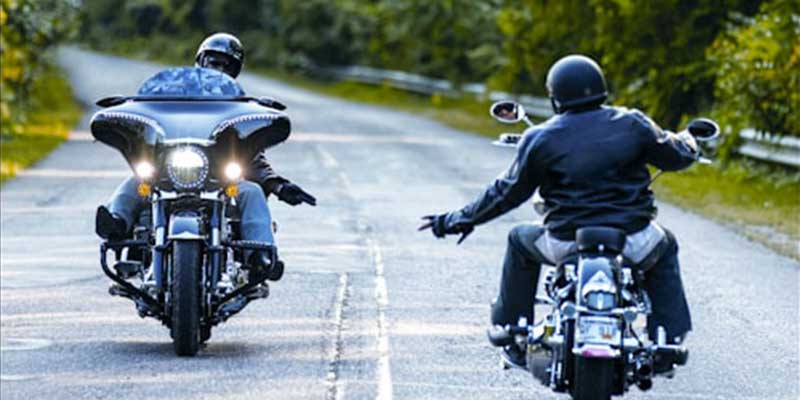
    The motorcycle wave, also known as the biker’s wave, is a way for bikers to acknowledge each other’s presence on the road. It starts off with the front rider signaling the rear rider that he wants him to slow down; then, they will ride together and wave at each other. Riders use various hand signals and waves: waving your right arm while holding the throttle in a neutral position means “Follow me”.

    Riders also do this to show appreciation for one another while respecting each other’s space while sharing the road. However, it does not apply when there is oncoming traffic or if you’re stopped at an intersection waiting for a light to change.

    Though this may be considered a form of acknowledgment to other riders, there are also unwritten rules on how the wave should be done. There is always this one guy who just wants to show off in front of his friends when he waves at another rider. He gets in front and then slows down just so that it would look like he’s having an intense conversation with them when they pass by him. Sometimes, motorcyclists will try to copy a motorcycle wave from others; but since everyone has their different styles, you can’t really mimic it well.

    Who Initiated The Biker’s Wave?

    sport bikes

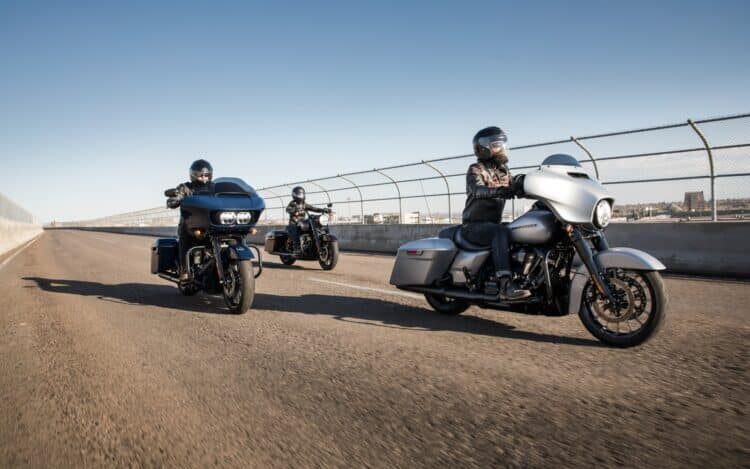
    Though the actual history of this wave remains unknown, some claim that the wave was initiated by Arthur Davidson and William Harley of Harley Davidson during the company’s early days. Since then, many motorcycle enthusiasts have taken upon it. There are even people who will wave to motorcycles that look similar to theirs just because of the color scheme of the bike. Sounds crazy, right? Apparently not for some people.

    Some sources state that the biker wave originated as a form of respect shown to veterans for their service. However, there are no indications that WWII veterans, who may have initiated the first motorcycle wave that is the V-salute—now known as the peace sign, were involved in motorcycling. So, it would be safe to say that this theory of inventing a peace sign is just a bit of historical speculation.

    What If You Can’t Wave Back to Other Riders?

    motorcycle riders

    There are situations when a Harley rider won’t actively participate in a head nod or motorcycle wave. Also, Gold Wing riders usually avoid waving because they are preoccupied with adjusting the air suspension, checking odd shaped blip on the radar screen, or searching for the dashboard’s “auto wave back” button. If you don’t want to wave back but still need to acknowledge them for whatever reason, you can always return the motorcycle gesture with an “okay sign”, showing both your index and middle finger lifted up; or do a hand signal by extending your arm and your fingers spread out like they were saying “V”. This shows that you also acknowledge their presence on the road – without putting too much effort or risking accidents.

    How To Do The Biker’s Wave?

    Riding motorcycle fingers extended

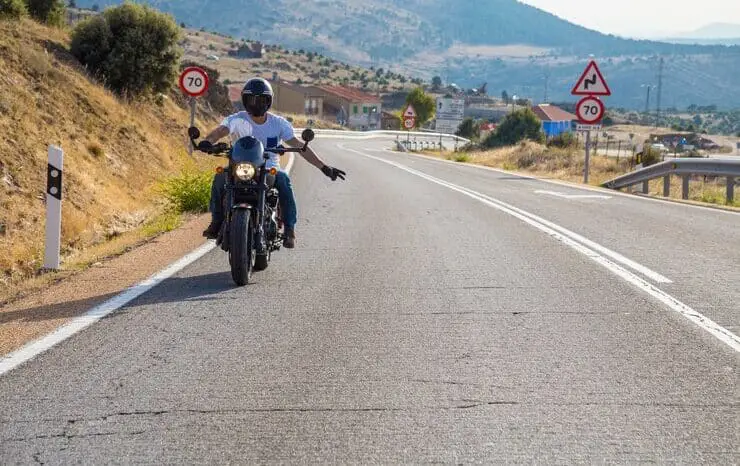
    Stick out your left hand at about 45 degrees upwards below your handlebars and pull out your middle and index fingers to form a V. Extend your arm and keep it straight as you do this so that the rear rider can clearly see what you’re doing.

    The reason they use two fingers is to make a V sign and ask you to keep both your tires on the ground so you don’t tip over. The rear rider will acknowledge your presence by returning the V sign, but it’s best not to look at him while you do this so that he won’t think you’re trying to copy his motorcycle wave.

    However, if the motorcycle rider is going in the opposite direction and he holds out his left hand above his handlebars with his palm facing down while waving at your left arm, it means that he wants you to fall back.

    If your motorcycle club has its own set of motorcycle waves, then get familiar with it – especially when there are new people whom you meet through rides.

    How To Avoid The Biker’s Wave?

    Motorcycle riders

    There was a case when a Harley rider waved back, his hand was pierced by his spiked helmet. So, bikers, especially new riders should be more careful about waving while riding. If you feel like the other rider behind you will distract you while riding, put on a full-face helmet and wear sunglasses so they can’t see your eyes and know if you acknowledged them. This will make them believe you didn’t notice them at all and they will eventually give up.

    But, if you really want to have a biker’s wave-free motorcycle ride, just stick to yourself and don’t look back when another rider waves at you. Otherwise, there might be cases that you’ll need to signal backward with your left hand or helmet just so he thinks that you know what it means when the rear rider waves.

    Conclusion

    It’s okay to wave at a fellow rider but make sure that you don’t get distracted while you do it. Also, only acknowledge the motorcycle rider if he wants your attention or is trying to give you a friendly gesture. If not, just don’t bother acknowledging him and avoid distractions so you can continue with safe riding. Enjoy your ride!

  • What Is A Motorcycle Squid?

    What Is A Motorcycle Squid?

    Reading Time: 5 minutes

    People ride a motorcycle for various reasons. Some ride for the love and passion of it, while some ride out of their need to travel. No matter the kind of rider you are, knowing the basic rider etiquette when you hit the road is important. Treat your fellow motorcycle riders with respect and be aware of your surroundings.

    But then, as you know, not all riders are the same. There are some motorcycle riders who are extremely irresponsible and dangerous, not using their common sense while riding on the road and we call them squid. Squids ride in a reckless manner and often endanger their own lives and the lives of other riders around them.

    Squid is not a tentacle creature but is a term that stands for Stupidly Quick, Underdressed, Ignorant, and Dangerous.

    What is a Motorcycle Squid?

    As silly as it sounds, a motorcycle squid is actually a silly person who decides to become a motorcycle rider and behave like a squid on the road.  

    Squids ride in a reckless manner, weave dangerously between lanes of traffic, endanger themselves and other riders around them. The term “squid” was given because squids are known for their small size, lack of brains (or thought), and aggressive behavior underwater.

    The same can be said about motorcycle squids that ride on the road; they are reckless drivers who act with no regard for their lives or the lives of others on the road. They are mostly irresponsible riders who do not follow the rules of the road or use their common sense.

    They like to break traffic laws and often pull dangerous stunts in front of other riders and vehicles, hence putting themselves and others around them at high risk. They ignore lane-splitting laws; they weave dangerously in between cars; they speed on the freeway; they play with their gadgets while riding, and they ride without wearing helmets. Quite simply, a motorcycle squid is a common road hazard that needs to be aware of what they’re doing when riding.

    How Do You Know If Someone is a Squid?

    Unprotected Underage boy Riding Motorcycle

    When motorcycle riders act like a jerk while on their motorcycle, it is loud and clear that the person is a squid. The motorcycle-riding style of a squid include:

    Riding at High Speeds

    Most squids enjoy riding fast and taking risks. They find excitement in speeding on busy roads and weaving dangerously through traffic usually using a sport-bike. Just because they are riding fast, doesn’t mean that they have a huge amount of riding skills.

    Squids are not the same as serious racers as they usually take out most of their energy on the track whereas, squids still enjoy their fast and dangerous riding.

    Riding Very Close to Cars

    Squid riders often behave like bullies who threaten other drivers by sitting dangerously close to their car or motorcycle.

    Riding the Wrong Way

    Squid Toy

    Confused squid riders often ride down a one-way street going against traffic. They also ride on sidewalks and through pedestrian crossings which are both dangerous and illegal.

    Riding Without a Gear

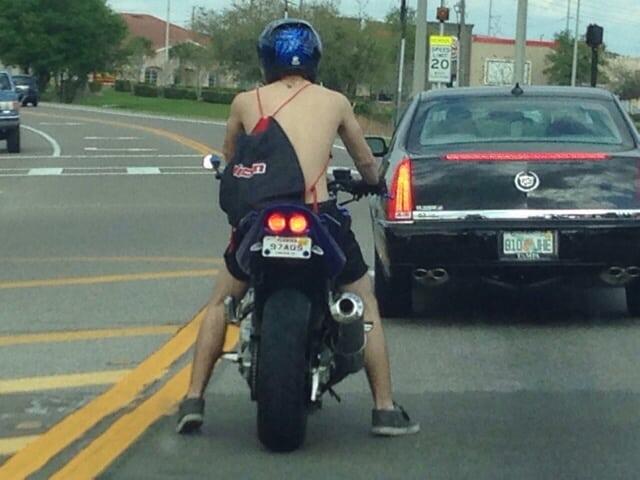
    Many squids believe that they are invulnerable to harm while riding so they don’t bother to wear protective gear like helmets for safety at all. Often Squids wear little to no protective gear or no protective clothing at all. Sometimes they will go wearing shorts and shirts, sometimes they go shirtless, this will give them no protection if they get into crashes and accidents.

    Taking Unnecessary Risks

    Many squids like to engage in dangerous stunts while riding on the road. They may ride two on a bike; pull wheelies; drive with their feet on the handlebar, and engage in other reckless behavior.

    Gawking at Others

    Squids like making intense eye contact with fellow riders or drivers on the road. They will often stare you down for a prolonged period to intimidate people.

    Consequences of Being a Squid

    Whether they realize it or not, motorcycle squids create new dangers on the road by acting stupidly and irresponsibly. Not only do squids put themselves at risk but also their fellow riders as well as drivers, therefore causing motorcycle accidents.

    If you’re a squid, you can be arrested for your behavior. In many cities and states, riding against traffic on a one-way street or driving without wearing a helmet is tantamount to reckless driving, an offense that often results in the seizure of your motorcycle until all fines are paid.

    Many road accidents have been caused by squids who weave dangerously among lanes of traffic and accelerate recklessly without regard for oncoming drivers. Riding a motorcycle is an immense responsibility, and it has severe effects if not taken seriously.

    How to Avoid a Motorcycle Squid?

    You can avoid a motorcycle squid by keeping your distance from him or her. Be sure you know when it is safe to pass one because he or she might suddenly change lanes and cause an accident. If you sense that a squid is on the road, avoid riding close to him or her.

    If you notice an unsafe rider, call immediately and report the squid’s location and behavior to authorities. You can also share your concerns on social media such as Facebook and Twitter about their reckless driving by tagging local authorities in your posts.

    Squids will not disappear anytime soon, so we need to keep our eyes peeled and stay safe on the roads.

    Conclusion

    To become a responsible motorcycle rider and help motorcycle communities, you first have to understand that riding a motorcycle requires a lot of focus on what’s going on around you. There are no shortcuts. It takes constant awareness of your surroundings to avoid dangerous situations.

    Put in the effort and develop good riding habits that will ensure your safety on the road. If you are a young motorcyclist be careful and stay aware of your surroundings when riding just in case a squid pops out unexpectedly. Ride safe!

  • Why You Don’t Wear Flip Flops On A Motorcycle

    Why You Don’t Wear Flip Flops On A Motorcycle

    Reading Time: 6 minutes

    A lot of riders like to ride their motorcycles in the most comfortable of attires ditching all the protective gear that is actually meant for safe riding when going for short rides.

    In this regard, they often wear slippers, or sandals, or flip flops or even high heels and hop on to their two-wheelers, which to say the least, is an unwise decision on their part.

    In this article, we will expand on why you should not wear flip-flops when riding a motorcycle and what is the best way to keep your feet and ankles safe when you are cruising on your bike on an empty highway.

    Reasons Why You Should Not Wear Flip Flops on a Motorcycle

    don't wear flip flops for riding

    Uncomfortable For Riding

    Causes Soreness Around Your Feet

    Exposes Your Feet and Ankles to Road Elements

    Compromises Your Safety Hugely

    Uncomfortable For Riding

    First of all, riding a motorcycle is an uncomfortable affair in itself. It is after all not a very leisurely activity to undertake. You cannot rest your feet anywhere or sit back and relax.

    So, if you are wearing flip flops then it would be very difficult for you to ride without making too much fuss about how uncomfortably they are feeling on your feet. Apart from these, regular shoes are also risky to wear while riding a motorcycle as the laces may tangle. Also, they’re too soft to offer any protection from rough road surfaces and have no ankle support in case of any motorcycle accident. Therefore, it’s better to avoid wearing flip flops while riding a bike. If you wear sneakers, it can also put you at risk.

    Of course, the summers are just around the corner but there is no reason why you should hurt yourself this badly by wearing something which does not provide enough cushioning or grip to keep you intact while riding on your bike.

    Causes Soreness Around Your Feet

    It will feel like walking on hot coals when you try out walking in flip flops even for half an hour. Your feet will be sore very quickly and that is not something you would want to go through when you are out riding your bike.

    If you are riding your motorcycle for prolonged periods of time, you will find red marks or strap marks on your feet and the next day all you will be wanting is to put your feet up and bring some life back into them. Riding the next day with those sore feet will be anything but possible.

    Exposes Your Feet and Ankles to Road Elements

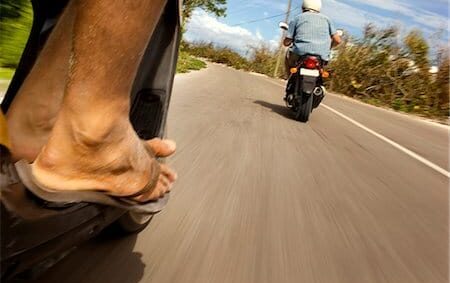
    Flip flops provide absolutely no protection for your ankles or heels, which means there is every chance of you injuring yourself if you try to stop your motorcycle in an emergency by putting all your weight on the footpegs. Such cases can break bones in your feet or cause more serious damage to you.

    Your feet will be open to injuries from rocks, gravels, pebbles, sharp metal pieces along with the road, etc. if you wear flip flops while riding.

    Compromising Your Safety Hugely

    motorcycle accident

    Last but not least, this happens to be one of the most important reasons why riding with flip flops on a motorcycle is risky business- it compromises your safety hugely.

    Having no protection around the ankles or at the back will mean that you are vulnerable in case of an accident. You could injure your feet or even break them by stamping on them, which is one of the most common injuries bikers get while riding motorcycles.

    Also once your foot gets caught anywhere, it can cause serious damage to your leg and hip joints along with the motorcycle itself like the gear shift, etc.

    So, it is better not to wear sandals to avoid any motorcycle accident. Next time you hop onto your bike, regardless of what kind of bike you ride- be it sports bike, cruiser, commuter, or adventure tourer – do not forget to wear proper protective gear including appropriate shoe gear appropriate for riding a motorcycle.  

    Best Way to Keep Your Feet & Ankles Safe When Riding a Motorcycle

    man riding motorcycle with a set of right stuff

    Motorcycle boots are definitely the best option for keeping your feet and ankles safe when you ride a motorcycle. For example, touring boots are ideal for long highway journeys. These are heavy and offer adequate protection. The ideal boots for dual-sport riding are adventure boots. Even though they resemble touring boots, these are made to handle all kinds of weather conditions.

    They provide ample protection to your ankle bones, heels along with the toes and also cover all of your foot including providing insulation from road elements such as heat and cold. If you want to wear gloves, you can also consider wearing gauntlet gloves to protect your hands.

    They come in wide varieties so there is no dearth in choice even if you have larger than average-sized calves or large feet size. You can find them in any style whether it’s adventure touring motorcycle boots, riding leather boots, motocross boots, etc.

    Apart from this, there is something known as braces which go up and around the lower parts of your legs offering extra protection to both of them together, while also providing flexibility at the same time so that they don’t hinder your riding or freedom of movement.

    Conclusion

    So with all this information, you now know that it is never a good idea to ride wearing flip flops on a motorcycle.

    Just because it is the summer doesn’t mean you should wear something which cannot be worn at any other time of the year and expect not to hurt yourself in some way or another- physically as well as mentally. If you wear shorts, t shirts, or tank tops, you run the danger of getting scrapped. Also, wearing shorts leaves your legs exposed to possible burns from the motorcycle engine or exhaust pipes. So, it’s important to avoid wearing shorts and choose the full gear for riding to prevent the risk of a bike accident.

    It will make even more sense if you are someone who rides their bike every day or perhaps is out for long rides frequently- then wearing proper protective footwear like Steel toe boots would become absolutely essential for keeping yourself safe along with keeping your feet happy and healthy throughout.

    Road rash can potentially expose your bone and muscle. So next time you go out to buy boots, do not forget to choose what is best for your motorcycle riding needs instead of only considering the comfort factor and compromising on the safety front.

    There are many good-quality riding boots available in the market which are extremely comfortable to wear even for long road trips or cross country commutes. You can always settle for them.

    Happy & Safe Riding!

  • Why Is My Motorcycle Leaking Gas? 8 Reasons for Gas Leakage

    Why Is My Motorcycle Leaking Gas? 8 Reasons for Gas Leakage

    Reading Time: 6 minutes

    Motorcycle gas leak is a common yet serious issue for riders. As motorcycle riders, we love the ride of thrill on highways and we do not like to stop at frequent intervals at every gas station on the way to refill the tank. Whenever we pause our adventure for a gas refill, we expect the gas to burn out completely on the ride without getting leaked for some faulty damage.

    However, sometimes as riders we can smell gas when we approach our beloved motorcycle and if you have been riding a motorcycle for a very long time, just by smelling the gas you can even tell the grade of gas leaks. Although, this is not a good sign at all. An event of a gas leak from motorcycle results in reduced mileage increased fuel consumption, and gas waste in addition to being a major safety risk.

    Whenever you find yourself in this kind of situation, turn off the ignition of your bike and switch off every possible fuel valve on your machine as you need to investigate the matter.

    Here are a few reasons why your motorcycle leaks gas:

    8 Reasons for Gas Leakage on a Motorcycle

    why is my motorcycle leaking gas?
    1. Leak on the Gas Tank Filler Cap
    2. Brittle Petcock Valve Seal
    3. Worn Out Petcock Ball Valve
    4. Loose Fuel Lines
    5. Old Carburetor Housing Seal
    6. Worn Out Carburetor Float Needle
    7. Worn Out Fuel Injector Seal
    8. Build Up of Rust in the Gas Tank

    Leak on the Gas Tank Filler Cap

    The gas cap seal on your motorcycle could be faulty if it started leaking after you refilled the tank. This can be one of the leading causes for your motorcycle to leak gas.

    Inspect the filler neck of your machine for any damage, scratch, or crack and change the cap if necessary, only if you find out that it is broken.

    Also, make sure to tighten the screws of this nozzle properly at all times as even a small piece of dirt could cause a misfire in the whole system.

    Brittle Petcock Valve Seal

    Petrol caps are not just meant to stop fumes from entering into the internal chambers but sometimes they act as an overflow drain too. This can cause gas leaks in your motorcycle.

    If your petrol cap leaks at both these places then you need to change your petcock valve assembly first before changing your petrol cap so that no other faults can occur later due to this.

    Worn Out Petcock Ball Valve

    The Petcock ball valve is the one that lets the engine receive fuel from your tank for combustion purposes and if it becomes loose or worn out, it will start leaking gas from its nozzle.

    If you notice a gas leak on this part of your motorcycle, put a clean cloth under to catch any spills before tightening the connection between your petcock valve assembly and the hose until you stop noticing drips of gas on them.

    Loose Fuel Lines

    The most common reason behind fuel leakages is usually not the fuel petcock or fuel valve but the faulty hose of the fuel line which often get damaged during off-road usage or heavy traffic conditions where bumps are common threats to these lines.

    Check all three hoses of your fuel line assembly carefully and tighten any loose or worn-out areas to ensure that they are stable enough to withhold the fuel pressure.

    Old Carburetor Housing Seal

    If you have a two-stroke motorcycle, then this is one of the most common causes of your fuel leakages.

    When carburetors were introduced in these bikes for better performance, there was no other option but to use rubber seals along with them for holding the gas in their chambers properly.

    Nowadays, these seals are rarely available due to old age but if you ever get one, change it before you lose all the gasoline from your tank.

    Worn Out Carburetor Float Needle

    Mostly found on older motorcycles that have carburetors, the fuel inlet needle is responsible for the volume of gasoline that enters your engine when you open your throttle.

    Although not much can go wrong with this simple component but if it does, make sure to replace it at the earliest, or else you will end up losing gas badly within no time.

    Worn Out Fuel Injector Seal

    Fuel injections were introduced to motorcycles to improve their performance and substitute carburetors but if they start leaking then there is only one reason behind that – the seal becomes worn out over years of usage.

    So check all the seals carefully if you have a fuel injection system in place and repair them before you run out of gasoline on your next ride.

    Build Up of Rust in the Gas Tank

    Rust in the Gas Tank

    Although not the most common reason behind fuel leakage in motorcycles, but if your machine is a long-time resident of a humid region where rust easily takes place on its components, then you need to check for this possibility too as it may lead to gas leaking.

    The buildup of rust could withdraw at the walls of your gas tank and make holes in them if left unattended. This can result in leaking gas in your motorcycle. If your motorcycle starts leaking from these holes, you will end up losing all its gasoline within no time.

    So check your tank carefully for any sign of rusty patches appearing anywhere inside it along with any signs of leakage and then get rid of them immediately or else you might find yourself stranded sooner or later.

    Can Gas Leakage Cause Motorcycle Shops to Close on Mondays?

    Gas leakage incidents can wreak havoc on motorcycle shops, leading to unexpected closures on Mondays. The safety concerns arising from motorcycle shop monday closures are justified, as gas leakage poses significant risks. Proper inspections, maintenance, and adherence to safety protocols are crucial to prevent such incidents, ensuring the uninterrupted operation of these businesses.

    Conclusion

    With these possible reasons for motorcycles to leak gas available, you can easily identify the one responsible for your troubles by yourself as well as make sure to fix them before they start costing you more than just gas. Apart from street bikes, the same can happen to your dirt bikes too. If you want to overcome the issue of your dirt bike leaking gas, practice the aforementioned ideas.

    So do not forget to check all your bike’s components carefully after every few months and then maintain them on a regular basis to prevent any events of gas leaking. It will ensure that no faulty piece of equipment spoils the show for you when it matters the most.

    Happy riding!
  • What is ABS on a Motorcycle? And How Does it Work

    What is ABS on a Motorcycle? And How Does it Work

    Reading Time: 7 minutes

    If as a rider you’ve ever taken a motorcycle safety course or additional training in your initial days, you will know that swerving and stopping is a big topic that is discussed in length in these courses.

    Swerving and stopping is what calls for the need to install ABS unit or Anti-Lock Braking System in motorcycles and believe it or not, even today this subject gets a lot of question and attention from the bikers’ community.

    In this comprehensive guide, we will discuss in detail what is ABS on a motorcycle, how ABS systems work, what are the advantages of having anti lock braking systems, and why exactly you need them on the front and rear wheels of your beloved bike.

    What is ABS on a Motorcycle?

    ABS stands for Anti-Lock Braking System.

    It is a technology that uses hydraulics or electronics to prevent the wheels from locking up when you apply the brakes in an emergency situation. The ABS hydraulic unit helps to control wheel speed. It acts as a tone wheel and improves the braking system pressure and wheel locking safety features of the motorcycle.

    This helps riders in faster braking and achieving better stability while cornering, thus improving motorcycle safety and personal safety standards to a great extent.

    How Does ABS Work?

    Before we get into how anti lock braking systems work, it’s important to understand what would happen if your braking pressure is high on a road without ABS.

    When you apply the brakes hard, there is a possibility of your bike skidding or sliding and wheel locking due to its high speed, heavyweight and full brake force. This will make it difficult for riders to stay in control during such situations. 

    Also, when your wheels are locked up, there is no grip between the tires and the road which means that even a slight turn can be fatal while going at high speeds.

    Now that we know why ABS is required on motorcycles, let us take a look at how it works –

    ABS uses a pressure magnetic sensor, attached to each brake line so as to any loss of pressure during braking. These small metallic ring gear can decrease your stopping distance and reduce braking distance significantly.

    Once you apply the brakes, these sensors send out signals to the ABS controller about how much pressure is being applied. If there has been a loss of pressure due to the locking up of wheels, then the ABS controller will trigger valves that activate the hydraulic control unit which triggers fluid flow in different directions.

    This makes it possible for your wheels to continue rotating without any lock-ups. This way, riders are able to brake faster even in emergency situations with ease and comfort, allowing them to stay in control during adverse conditions. 

    Advantages of Having ABS on Your Bike

    All new bikes come fitted with this feature but if you still haven’t invested in ABS yet or looking for some convincing reasons why you should go ahead with ABS, here are a few advantages that might help you make up your mind –

    1. Improved Braking:

    ABS can help riders brake quickly and easily even in inclement weather conditions such as rains, thus saving a lot of time and effort during an emergency situation.

    2. Increased Stability:

    It also helps to increase the stability while cornering giving way for better control over the bike during critical moments where the slightest mistake could cost lives.

    3. Increased Traction Control

    ABS also helps you to maintain the optimum traction between the road and your tires during high-speed braking, thus giving way to better stability.

    4. Better Stability During Jump Starts:

    When you are at a standstill, just give the throttle a little push while trying to start the engine. If ABS is turned off or malfunctioning, then there is always a chance that it can cause your rear wheel to lock up making it difficult to move out of the starting point.

    But with a working ABS system in place, there are fewer chances of this happening as the brakes will kick in automatically when needed.  

    5 . Ensures Safety For The Rider And Passenger:

    It puts riders under complete control in inclement weather conditions thus ensuring safety for all those who are riding with you on the bike.

    The bottom line:

    ABS is a good investment on new bikes as it provides riders with better stability, traction control, and increased braking.

    It also works to ensure rider’s safety which makes ABS worth every penny on new bikes. However, there are few bikes that will not support this feature on older models but one can always rely on the aftermarket fitment of ABS kits for their motorcycle if needed.  

    Why ABS is Necessary For You?

    Without any doubt, ABS or Anti-Lock Braking System has made life easier for riders worldwide by making their braking far more efficient than ever before.

    It’s pretty clear how it works and all but what it actually does is to prevent your wheels from locking up when you press the brakes. This system works by sending out electronic signals to your braking unit which then starts releasing fluid that paralyzes the pressure sensors present inside the brake pads thus preventing them from working.

    This way, there is no reduction in speed and it becomes easier for riders to adjust their speed according to the road conditions reducing the chances of fatal accidents.

    Nobody likes locking up their rear wheel especially on two-wheelers as it can be quite scary given how much force is needed at times but ABS makes sure that you will not lose control over your motorcycle under any condition – be it on a slippery icy road or rough terrains.

    However, if you are still wondering why ABS makes riding safer for riders; here are four more facts about anti-lock brakes that will help you understand why ABS is necessary for you.   

    1. Reduces Your Reaction Time

    If we base our calculations on simple physics, we will come to know about the concept of ‘time’. It’s a universal truth – the larger your vehicle and its mass, the more time it takes to change its speed or direction.  Hence, braking safely becomes easier once you have increased brake proportionately with the increase in your bike’s weight.   

    2 . Prevents Loss Of Control

    This is as much as important as having working brakes on your two-wheeler especially if you are riding through difficult terrain or unpredictable road conditions where taking sudden turns can be dangerous. ABS prevents loss of control over your bike not only because of functional brakes but also due to increased traction.

    3 . Reduces Fading Effect During Heavy Braking:

    If you are riding at high speeds then the chances that the front or rear tire might lock up are pretty high. This can be pretty dangerous as you might lose control over your two-wheeler and if the road is slippery then this will prove fatal.  ABS helps you reduce this problem without reducing braking force thus making it easier to break even at higher speeds.

    4 . Lessens Brake Fade:

    If you are riding in a very hot weather condition where the temperature of brakes keeps on increasing with every stop, ABS comes in handy by transferring heat away from rotors that help them stay cooler which makes stopping shorter in distance hence improving your safety margin.  

    Conclusion

    ABS or Anti-lock Braking System is a very useful addition to motorcycle technology that has been used on bikes manufactured since the late ’90s.

    It’s not as complicated as it may seem and all you need to do is keep checking your brake fluid levels to ensure that ABS works properly at all times. If your bike doesn’t come with this feature then there are aftermarket kits available for installation which might cost more than a few bucks but they will help you gain complete control over your two-wheeler making riding safer.  

    All said and done, ABS might not be perfect in eliminating front-wheel lockups completely but it does reduce the chances of accidents by making braking faster, smoother, and enabling riders to take corrective actions before locking up wheels at high speeds.  

    So, invest in ABS to invest in safer rides!

  • Where Is The VIN On A Motorcycle?

    Where Is The VIN On A Motorcycle?

    Reading Time: 7 minutes

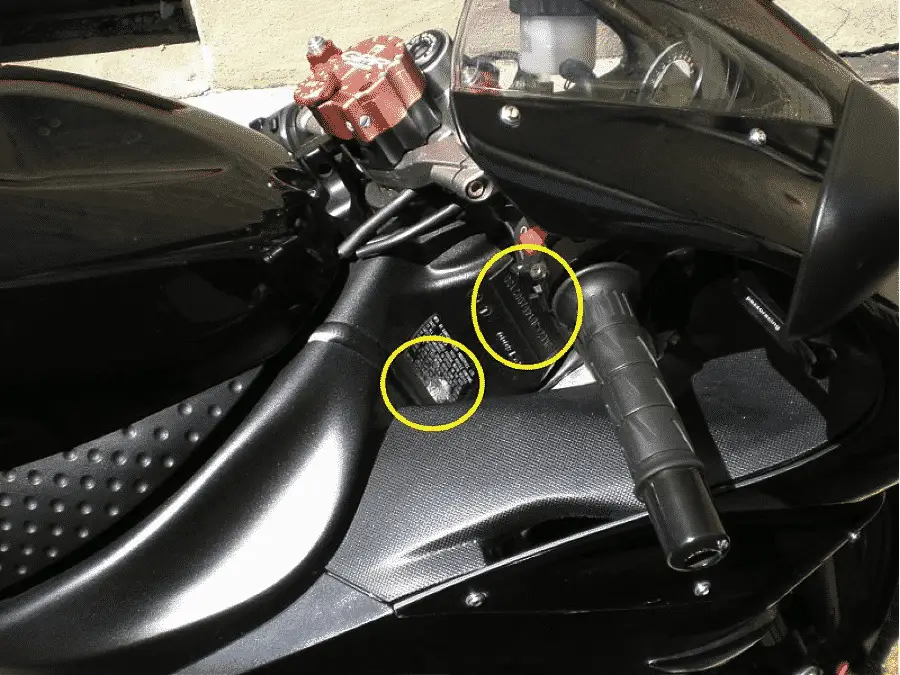
    VIN or Vehicle Identification Number is a unique code that is present on each and every bike model that is manufactured or is there on the public road today.

    The reason VIN is unique for every motorcycle is that it comprises of letters and numbers that can be used to accurately identify that particular bike model. These codes contain important information on the vehicle including when and where the bike was manufactured. But where the hell are they located on a motorcycle?

    The VIN of any motorcycle is present on its frame. But locating exactly where on the frame can differ from manufacturer to manufacturer.

    In this article, we will provide you with information on what is a vehicle identification number, what are the different components of VIN, where to find the VIN on your bike, and why VIN is important.

    Where to Find The VIN on Your Bike?

    VIN of any motorcycle is present on its frame which you might find difficult to locate depending on the type of bike you own. If it’s hard for you, then there are other ways in which you can locate it-

    For Scooters: They have their VIN stamped right on the steering head just under your handlebars above your front wheel axle. If it still remains unseen, check under the plastic engine casing that you can easily access by removing all the bolts.

    For Motorbikes: VIN of a two-wheeled motorcycle is normally present on its steering neck above the front axle and below the handlebars. In some bikes, it may also be stamped onto your engine block which will make it difficult for you to spot from a distance.

    However, if you come across any difficulties in locating it from these positions, then do check the frame behind your petrol tank where most manufacturers stamp their codes with ease.

    Different manufacturers put the VIN on different areas of the bike. If you cannot find the code on the steering neck after turning your bike’s handlebars, simply contact your dealer or manufacturer as they will guide you on the exact location of the code.

    What is a VIN?

    World Manufacturer Identifier for Motorcycles

    VIN is just like the fingerprint of your bike that can be used to identify it easily. It can help you keep a record of the vehicle’s service history along with its ownership details.

    The vehicle identifier section for a motorcycle VIN shows the model year, factory code, country code, frame number, engine number, production number, social security number, and other factors.

    Apart from this, VIN also helps in deterring theft as they are difficult to change or alter which makes them a handy tool for law enforcement officials.

    Different Components of VIN

    As mentioned earlier, VIN comprises of both letters and numbers which make it unique.

    A typical VIN code will contain 17 characters-

    The first character is always “1” except for motorbikes manufactured before 1981 where the first character is “0”. The reason behind having both these digits as the first digit is because many manufacturers preferred to use the model year as the first digit rather than the number 1.

    The next character is the one that tells you where your bike was manufactured or assembled. The characters used are based on the alphabets present in the country which manufactures/assembles the vehicle-

    A = United States,

    B = Canada, C = Mexico,

    D = Germany,

    F = France,

    G = Italy, H = Spain, I= England J=Japan K= Korea L= India M= China

    After this letter code comes two more letters that represent the manufacturer of your motorcycle model.

    After these two letters comes another number which is called a “check digit”. It is basically an extra digit added to ensure the accuracy of VIN so that there are no mistakes made during the manufacturing process.

    The last six digits of the VIN code are numbers that can be used to decipher where and when your vehicle has been manufactured. It also shows whether the vehicle is registered as a passenger car or a motorcycle.

    The 17 digits of VIN can also be broken into three distinct sections. This is how it goes –

    World Manufacturer Identifier

    The first three characters of the 17 digit code come under this section and are also known as the WMI code. As mentioned earlier, the information on the vehicle manufacturer and the country of origin are all uniquely stated with these three characters.

    Vehicle Descriptor Section

    From characters 4 to 9 of the VIN code is the Vehicle Descriptor Section which provides all the information regarding the overall characteristics of the vehicle, for example, the model type, the body type, etc.

    Vehicle Identifier Section

    Characters 10 to 17 of the VIN number, provides clear information on the identification of the motorcycle including their engine type, transmission, plant code, etc.

    Why VIN Is Important?

    You must know how important VIN is to understand what damage would be caused if this information gets compromised during theft or any other accident leading to damages.

    If you lose your keys then you can easily get them replaced. But if your motorcycle gets stolen, then it can be a huge loss for you as you will never get compensated for the theft unless you have insured your vehicle beforehand.

    Stolen vehicles can be easily recovered if they have any insurance coverage for their motor vehicles. The warranty claims of your vehicles have the VIN numbers along with the manufacturing company name.

    This is why the VIN of any motorcycle is very important-

    It tells all the necessary information about your vehicle such as the name and address of the manufacturer, model type, design year, engine type and size, transmission details, etc.

    It helps to verify this information before buying any used motorbike. This means that by checking out their motorcycle VINs you can know more about their mileage and other things that affect the value of a two-wheeled machine.

    It also comes in handy when trying to sell or buy a second-hand bike because you can easily get in touch with the owner and share all necessary information through VIN.

    VIN is also an important factor when it comes to fixing motorcycle insurance premiums. It gives you a complete picture of the value and history of your bike which ultimately affects the price of your insurance policy.

    Now that you know how important the VIN number is for your motorcycle, make sure you always keep it somewhere safe and secure where no one else would find it. This might be beneficial for you if there’s ever a need to recover a stolen motorbike.

    Conclusion

    The VIN is a very important code which you should keep somewhere safe and secure. If your motorcycle gets stolen, make sure you report the case to authorities along with the VIN of your vehicle so that they can track down your beloved machine.

    However, even if it doesn’t get stolen, knowing this information remains beneficial to you both in terms of sale or purchase so make sure you check it out before hiring any mechanic or selling your bike.

    VIN of any motorcycle is usually stamped right on the steering head just under your handlebars above your front wheel axle. If it still remains unseen, check under the plastic engine casing that you can easily access by removing all the bolts. You can also locate it on the frame behind your petrol tank where many manufacturers stamp their codes with ease.

    So, keep this useful 17 characters code handy for your bike!

  • Why Does My Car Sound Like A Motorcycle

    Why Does My Car Sound Like A Motorcycle

    Reading Time: 7 minutes

    The exhaust system of a car is made up of multiple parts, which give the vehicle the appropriate sound that we feel fits it. Some of these parts can begin to wear and become loose over time. This is why you may hear a loud noise coming from your exhaust system. If you are asking the question frequently that “why does my car sound like a motorcycle?”, one reason may be the acceleration of the vehicle. Nevertheless, there are plenty of other reasons that may require car servicing. Don’t overlook these!

    But there is nothing to worry about since it can be fixed at a small cost. For, that it is important to take your vehicle for a check-up. Before that, let us take a quick look at the root causes of this problem.

    Why Is Your Car Sounding Like a Motorcycle?

    Here are some of the most likely reasons why your car sounds like a motorcycle:

    1) Loose Tailpipe Covering

    One of the tailpipes can become stuck while accelerating, this might make you feel that something is wrong with your exhaust system. Though what could be causing this may not be quite so simple to see at first glance. It has nothing to do with an actual problem but more so the way you drive. The soft material surrounding your tailpipe can simply get pushed back into place by lightly tapping on it with your shoe heel or other similar objects. This should fix the issue until you can have a professional look at it.

    2) Loose Exhaust Manifold Bolts

    The exhaust manifold is one of the most essential parts of your car’s exhaust system because it carries hot, noxious fumes from the engine to the tailpipe. If any of the bolts get loose you will hear a loud rattling sound when accelerating and this can be very dangerous for both your safety and that of other people on the road.

    3) Worn-Out Air Filter

    The air filter can become clogged after a long time, which forces your engine to work harder in order to draw enough oxygen into itself so as to run properly. As such when accelerating it makes noise because there’s not enough airflow, which may cause your car to sound like a motorcycle.

    4) Problem with the Exhaust System

    The entire exhaust system from the engine to the tailpipe has been known to have issues over time due to rust and corrosion, or simply because it wasn’t put on properly by a mechanic. In either case, if you hear a loud howling noise while accelerating you need to get this checked out.

    Old exhaust gases or exhaust leak can damage the car engine, catalytic converter, gas pedal and exhaust pipes. This issue might also make your car sound like a motorcycle. It could be a very serious problem and it’s best for your safety and that of other road users if it gets fixed quickly, especially since it can make your car sound like a motorcycle.

    5) Vehicle’s Drivetrain Problems

    A noise while accelerating can also indicate issues with the drivetrain. This could be because of a number of things including, bad transmission fluid levels, worn-out parts, misaligned gears, and more. If it is checked right away, you might get lucky and just need to have your car’s transmission flushed by a professional. But if the problem persists then you will need to have the entire system inspected again.

    This is an issue that will require professional assistance, do not try to fix it yourself by just adding more transmission fluid as this can cause problems with your car’s electrical system.

    6) Car’s Belt

    The car’s belt might have a number of problems, the most common being that it has come loose. This makes a loud howling noise when accelerating. In such cases you need to check two things before concluding that this is the issue: firstly make sure your car’s engine oil level is okay and secondly check if the strap of your car seat is actually broken or not because it could be dulled which would dull its effectiveness as well.

    If the oil level is okay and you’ve checked for any obvious breaks or cracks in the vehicle’s belt then it needs to be replaced altogether. Your mechanic will know exactly which part to replace depending on your make and model of vehicle.

    7) Worn Out Transmission Fluid

    As we said above, worn-out transmission fluid can cause problems with your car’s drivetrain and automatic transmission which makes noise while accelerating. If the level of fluid is very low then it needs to be refilled immediately and you should also check if there are any leaks because that would indicate major problems. If the fluid levels are okay but your car still makes motorbike like sounds, then this may need further diagnosis by a professional.

    8) Check engine light

    If you’ve checked all of the above and still think your car makes loud motorcycle like noises, it might be time to check out your “check engine” light on your dashboard. This can indicate any number of issues with your car’s engine, transmission, or exhaust system so in order to find out exactly what these could be you need to visit a certified mechanic.

    How To Prevent Your Car From Sounding Like a Motorcycle?

    The solution to improve the noise of your car while accelerating is pretty simple. You need to get your vehicle checked by a professional mechanic, but you can also check out the following guidelines if you want to do this yourself:

    1) Drive carefully

    The more smoothly you try to accelerate, the less noisy it will be for everyone on the road. So, avoid jerking or stomping on the accelerator and when you’re rolling up to intersections try not to press down too hard because that might cause your engine to rev loudly. Also, this causes speedy wear and tear of the bike.

    2) Change the engine oil regularly

    Your car needs clean oil in order for all its mechanisms to work properly because dirty oil causes friction which causes parts to wear out faster, particularly when you accelerate quickly and make sudden starts and stops. This will make your engine louder and your car can make motorcycle sounds.

    3) Check engine parts that need regular attention

    If you’re looking for tips on how to prevent your car from making a loud noise then it’s also important to know the drivetrain components for regular maintenance. For instance, if your vehicle is equipped with disc brakes, you need to make sure that the brake pads don’t wear out too soon because this causes loud squeaking when braking and accelerating. Worn-out brake pads will need to be replaced immediately and your mechanic might also recommend servicing them more regularly than usual so they remain in great condition for longer.

    4) Check exhaust system

    Your exhaust system might be the cause of the loud noise – you can check this by looking under your car. The exhaust system connects to the engine to release gases away from the vehicle, so if there are rust spots or loose parts these need to be replaced so they don’t make lots of noise and cause problems for other drivers on the road.

    5) Regular maintenance is crucial

    If you want to prevent your car from sounding like a motorcycle then make sure you get your engine oil changed regularly, replace the air filter according to schedule, and get your car’s transmission safety checked on a regular basis. If your mechanic advises any other specific maintenance tasks because of the age or type of vehicle that you’re driving, then it would be wise to follow their advice.

    Conclusion

    We all want to have a pleasurable driving experience. So taking good care of your car is the only way to achieve this. We’ve discussed some common problems that can affect how your engine sounds when you accelerate and advised on what steps you need to take to prevent these from happening again in the future.

    If this article was helpful, please share it with your friends and family members who may also be suffering from the same issues. Have a safe drive!

  • What is a Softail Motorcycle?

    What is a Softail Motorcycle?

    Reading Time: 5 minutes

    Before we go into the details of Softail frame motorcycles, let’s begin with the fact that the brand, Harley Davidson introduced the world to the heritage Softail motorcycles, and therefore, they are the only motorcycle manufacturers who use this terminology for their product line.

    In this article, we will discuss in detail what is a Softail motorcycle, what are the pros of a Softail frame motorcycle and what is the difference between Hardtail and Softail slim bikes.

    What is a Softail Motorcycle?

    A Softail motorcycle is characterized by its rear suspension. Harley Davidson Softail frame bikes have an oil-filled steel case hidden known as a swingarm. Harley Davidson Softail models have a differently shaped swingarm for each bike. One example is the triangular swingarm. The reason for this is that when the motorcycles are parked they look like regular bicycles with no parts sticking out from their backside. The rear tire and the rear suspension system vary for every different Harley Davidson Softail models.

    There are plenty of Harley Davidson Softail bike models and all of them have shock absorbers with rear suspension. Some common Harley Davidson Softail frames include Springer Softail, Softail Deuce, FXST Softail and the Fat Boy. Motorcycle enthusiasts love spoked wheels bikes for better handling. Harley Davidson rigid frame bikes have Milwaukee eight engines.

    Since there is no suspension visible on the backside, these types of motorcycles are called “Softail.”

    What are the Pros of a Softail Motorcycle?

    The biggest advantage of having a Softail motorcycle is that it gives you a classic chopper-type appearance while maintaining decent performance levels and comes at cheaper rates than most other Harley Davidson models.

    However, keep one thing in mind here – although compared to regular Harleys, prices of Softails might seem higher because the materials used in manufacturing Softatils are of high quality which gives the motorcycles their desired endurance and longevity.

    Also, the longer wheelbase of Softails adds to the factor of stability and smooth riding, especially at high speeds.

    Harley Davidson Softail frame bikes have a direct view, turn signals, shield logo, detachable leather saddlebags, mini ape handlebars, and rear suspension system for a smoother ride.

    Harley Davidson Softail bikes have shock absorbers to absorb bumps. All models have registered trademark and most parts are easily removable.

    Cons of Softail Motorcycles

    When it comes to Softails, the only drawbacks are that they are not that easy to handle because of the long wheelbase and these motorcycles are slightly on the heavier side.

    What is a Hardtail Motorcycle?

    A Hardtail motorcycle is a regular motorbike as opposed to a chopper.

    In hardtail bikes, the rear suspension either uses springs or rubber bushings and therefore there is nothing hidden beneath the seat of the machine.

    Now that you know what a Softail motorcycle is, let’s compare it with a Hardtail –

    Pros of Hardtail Motorcycles

    Most choppers are built on a Hardtail chassis and the biggest advantage of using a Hardtail frame is that it allows builders to create much shorter chainstays, which ultimately leads to higher maneuverability.

    Since there’s no hidden suspension in a Hardtail motorcycle, they are lighter when compared with Softails.

    Also, Hardtail motorcycles are easier to maintain than Softtails because they do not have springs, linkages, shocks, etc.

    Cons of Hardtail Motorcycles

    Since there are no rubber bushings or springs in a Hardtail frame, these motorcycles have less stability when compared with their Softail counterparts.

    This means that handling can become quite tricky even for well-experienced riders because their weight balance tends to shift easily while riding at high speeds.

    And finally, keep one thing in mind here – the prices of Hardtails are on the lower side compared to Softails because they are not as classy as Softails.

    What’s the Difference Between a Hardtail and a Softail?

    Although both motorcycles are designed to be similar, there are many differences between them that affect their performance and comfort level.

    Hardtails do not have rear suspension but still, they come with shocks in the front forks while Softails have hidden suspensions which give Softail bikes more stability at top speeds.

    Also, Hardtails are slightly lighter than Softails when it comes to the overall weight comparison of both models.

    When it comes to handling, Hardtails tend to lose composure at higher speeds because of their low center of mass while Softails remain stable even at high speeds because of their shorter wheelbase.

    When it comes to maintenance, Hardtails are easier when compared with Softails because they have fewer parts to take care of when compared with Softails.

    The conclusion here is that both motorcycles have their own strengths and weaknesses but in the end, every rider has his own preference so therefore you should go for whatever bike you feel comfortable riding on.

    Remember, Harley Davidson, designed the Softail motorcycles essentially to keep the brand’s signature aesthetic style in manufacturing bikes while at the same time, giving the riders the added advantage of modern specs and features, so that the brand can appeal to young riders.

    With Softatils bikes you will definitely feel the difference when you are out on the road when it comes to the smoothness of the overall drive.

    Conclusion

    So let’s put it all together – Softail motorcycles are modern, classy, beautiful, stylish, and smooth while Hardtail bikes are easily maneuverable, easy to maintain, and have a rich history attached to them.

    As a rider, you need to decide what kind of bike you prefer riding on because the choice is yours.

    If you want a smooth ride on your two wheels, Softail bikes from Harley Davidson are what you should opt for. On the other hand, if you are someone to whom the classics and history appeal much, then you should settle for the more macho Hardtail models from the same trusted brand of Harley Davidson.

    So, choose your own and ride happily!

  • What Are Fairings On A Motorcycle?

    What Are Fairings On A Motorcycle?

    Reading Time: 6 minutes

    Motorcycle fairing is a broad term that defines the protective panel of a bike that is designed to improve aerodynamics and streamline the look. For example, Honda Goldwing fairings are motorcycle wings that protect the rider from the wind and rain and give the bike a classy and expensive appearance. On BMW motorcycles, most of them have a windshield or wind deflector. This helps keep the wind out of your face at higher speeds and lets you enjoy riding even more.

    Motorcycle fairings can be made from many different materials such as fiberglass, carbon fiber, plexiglass, or plastic or any combination of these. Vinyl motorcycle decals can also be used for designs over bare fairings so you can create your own custom look with minimal work required.

    What is Motorcycle Fairing?

    A fairing on a motorcycle is a shell that fits over the frame of the bike and helps it cut through the air more efficiently. The best fairings of today are made of carbon fiber, Kevlar, or similar materials that are lightweight yet strong enough to protect the rider from wind and debris. Additionally, they provide aerodynamics so your motorcycle can move faster with less effort. While the main function of a motorcycle fairing is to help minimize air drag, it can also shield the rider, engine and frame from airborne threats, wind-induced hypothermia, and damage from any accidents. Motorcycle fairings are most commonly utilized for racing motorcycles and sport bikes.

    Motorcycle fairings come in many different shapes and sizes depending on the type of bike they are made for. For example, off-road motorcycles typically have a front fairing to protect the engine from damage when riding over rough terrain. However, street bikes come with windshields installed in place of the standard motorcycle fairing since these increase visibility while providing wind protection.

    The use of aerodynamically designed motorcycle fairing panels has a positive impact on the overall performance of a motorcycle. It is said that a motorcycle with a fairing can increase its top speed by as much as 10% while also improving gas mileage.

    Fairings are either made from plastic or fiberglass depending on what you need. Fiberglass is for short-distance touring while plastic is better suited for racers and roadsters.

    Is a High-Quality Fuel Storage Can Necessary for Motorcycle Fairings?

    When it comes to motorcycle fairings, the features of high-quality motorcycle fuel storage can make a significant difference. Ensuring a proper fuel storage can is essential for the optimal function and longevity of motorcycle fairings. A high-quality fuel storage can guarantees that your motorcycle is equipped with a reliable and secure fuel system, minimizing the risk of leaks and ensuring smooth rides.

    Types of Motorcycle Fairings

    Beyond the added safety, one of the main advantages of a motorcycle fairing on touring bikes and sport touring motorcycles is a decrease in fuel consumption. Though manufacturers have multiple designs up their sleeves, here are some of the most common types of motorcycle fairings:

    Half Fairing: This is the type of fairing that goes over the central front cylinder and partially covers the radiator. It will have a basic shape that resembles a diamond or an inverted teardrop.

    Full Fairing: A full fairing completely encloses the motorcycle engine and passenger section. It has no windshield instead it uses a small, aerodynamic headlight assembly to block wind from hitting the rider’s face. Due to its enclosed nature, a full fairing greatly reduces drag at high speeds when compared with open-type motorcycles which use cowling or side panels for streamlined purposes.

    Handlebar Fairing: This type of fairing covers the handlebar and sometimes the front fork. It is a good choice for city riding because it reduces wind resistance, protects your hands from weather elements, and makes you look intimidating. Handlebar fairings are very useful when riding a motorbike with GPS and other gadgets since it gives them a stable and secure location.

    Quarter Fairing: Quarter fairing covers the rear wheel and a portion of the engine. It is a good choice for highway bikes because it reduces drag better than half fairings while providing enough protection at high speeds.

    Wheel Fairing: A wheel fairing is used on the front sprocket side of the motorcycle to reduce drag. It also prevents mud from being thrown onto the rider’s legs and enhances airflow on the rear tire. Thus, a front or rear fairing provides you with protection from any event of accidents.

    Benefits of Fairings on a Motorcycle

    You might be surprised, but installing motorcycle fairings on yours has its fair share of advantages:

    Ensures Comfort

    The rider can ride for long periods without getting fatigued since fairings protect the body from wind and harsh weather elements. Helmet noise is greatly reduced too so you are more aware of your surroundings.

    By deflecting the wind, fairings provide more comfort for the rider, especially when compared to motorcycles that don’t have any type of fairing.

    Provides Improved Performance

    The overall performance of a motorcycle is greatly improved when it has aerodynamic fairings. These are designed to reduce the total drag force while ensuring that there is enough airflow for cooling purposes.

    Due to its reduced body weight, models with fairing panels will be able to accelerate more quickly while also maintaining high speeds for longer periods of time.

    Provides Protection

    Fairings help keep your motorcycle clean since dirt, dust, and debris won’t be able to get inside. It also protects vital parts like levers and switches from damage suffered during a collision or an accident.

    The side panels protect you from objects being thrown inside the passenger compartment. With this, you won’t have to worry about the windscreen shattering when hit by a rock or debris.

    Allows Easy Customization

    Fairings come in a variety of styles and designs which you can choose from. It is possible to add lights, windshields, horns, mirrors, and even air conditioning units.

    In addition, fairing accessories are also sold separately so you can add or remove them anytime depending on your preference.

    Boost Engine Lifespan and Efficiency

    Fairing helps extend the life of your motorcycle engine since it can maintain consistent oil temperatures. If you have a fairing installed, then the heat from the engine is easily dissipated into the surrounding area instead of being trapped in an enclosed space.

    Most riders spend time cleaning their motorcycles using a pressure washer or hose. It is not advisable to use such tools when you have a fairing since it may lead to damage.

    Conclusion

    For those who want to enjoy the benefits of having a motorcycle, then it is best to install fairings on the engine. It increases rider comfort while protecting vital parts from damage due to road debris or accidents. As it delivers better performance, a fairing is commonly used on sports and racing bikes.

    Maintaining oil temperature throughout the course of your ride is also possible with fairing panels. Furthermore, they can help increase aerodynamics which in turn improves your overall performance.

    There is a fairing created for you and your motorcycle, regardless of your riding style or aesthetic preferences. Fairings can not only give your bike a more streamlined appearance, but they can also increase your level of safety while riding, no matter where the winding route leads.

    So don’t hesitate to add these accessories to your motorcycle because you will surely have a more pleasurable riding experience with them around!