Author: Joel Hathaway

  • Difference Between a Cruiser and a Touring Motorcycle

    Difference Between a Cruiser and a Touring Motorcycle

    Reading Time: 4 minutes

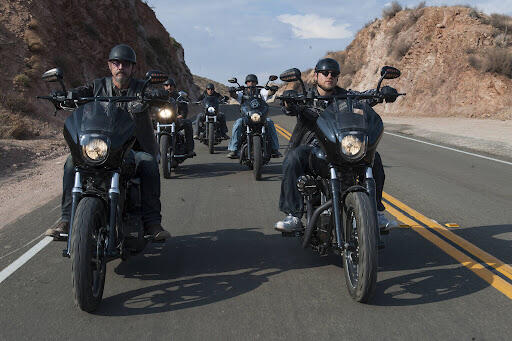
    When you picture biker, most people see the classic Son’s of Anarchy riding along on a cruiser. Those high handlebars and big seats look pretty comfortable, so isn’t it the same as a touring bike? Wrong. There are some key differences between a cruiser and a touring bike.

    A touring motorcycle has significantly more long-distance features whilst a cruiser motorcycle is made a shorter highway comfort. Anyone who is looking at doing some seriously long days on their bike should consider a touring motorcycle over a cruiser, whilst a cruiser is an obvious choice for those badasses out there.

    What Characterises a Cruiser Motorcycle?

    A Cruiser is a motorcycle that is best for those long open country roads with the sun shining down on you and the wind blowing through your hair.

    Cruisers have a much wider seat, so if you dislike cramped spaces then this might be the type of bike for you. A cruiser also has really high handlebars, which are great for stability on the highways; but can lead to really sore hands on long rides.

    What Characterises a Touring Motorcycle?

    Touring bikes are often equipped with accessories that help to improve comfort on long rides, such as windshields, saddlebags, and hard- or soft-shelled luggage. Touring bikes come full of features like antilock brakes and corrosion resistance in order to stand up to long rides.

    The touring motorcycle has a strong, sturdy appearance that suggests that it can handle long-distance traveling. Touring bikes are often equipped with accessories that help to improve comfort on long rides, such as windshields, saddlebags, and hard- or soft-shelled luggage. The seat is placed high in order to give the rider better visibility over traffic during lane splitting while maintaining an upright riding position.

    The Big Differences: Cruiser vs. Touring Bikes

    Cruisers are typically lighter and more maneuverable with powerful engines while Touring motorcycles have better traction control.

    Cruiser bikes

    Cruiser bikes transfer their power to the rear wheel in a straight axis through a rigid frame, providing superior cornering and braking power of approximately 3/4 of the motorcycle’s total horsepower. They often use smaller engines for optimal fuel efficiency, but carry that power on long-standing frames that offer roomier ergonomics.

    Touring Bikes

    On the other end of the spectrum, touring bikes balance these abilities by combining cruising standards with touring features like added hydro drag brakes, larger engine sizes using dual counterbalanced crankshaft drives known as parallelograms, taper diameter barrels running cooler than triple-tree axles found on cruisers because they contain more oil, and a final reduction gear on the last output shaft.

    How Long of a Trip is too Long for a Cruiser?

    A short trip of about 300 miles is pretty doable on a cruiser while anything over 600 miles is a long haul.

    What makes a good Touring Bike?

    On the touring bikes, hard bags are preferable to soft ones because they can carry significantly more and are generally better at holding their shape, but need to be built so that the bags don’t break through the back of the bike.

    Luggage Capacity

    Luggage capacity is one of the most important considerations in choosing a touring motorcycle, as you’ll need to accommodate your riding needs along with additional luggage. Touring motorcycles tend to have much larger gas tanks than other bikes and some of them can hold up to five gallons or 73 liters worth of gas, which means that most touring motorcycles can run for approximately 300 miles before needing to be refueled.

    Which is heavier a Cruiser or Touring Bike?

    Even though a cruiser is bigger and bulkier, they’re lighter in weight than touring motorcycles. The most common cruisers weigh just over 500 pounds while touring models can weigh about 30 pounds more.

    Load Capacity Difference Between a Cruiser and Touring Motorycle?

    A touring motorcycle has an increased load capacity over a cruiser. This does not mean that the touring motorcycles are built to carry more weight, but rather their design enables them to compensate for additional weight.

    Which bike is better for long trips?

    Touring motorcycles are generally built more sturdily because they need to handle the added weight of a rider along with any luggage. This makes them better off on longer rides and interstate driving, even though you’ll have more options for lower speeds on cruisers.

    What do I prefer?

    I would choose a cruiser motorcycle over a Touring Motorcycle any day just because it seems more fun to go on short-distance rides than a mile after mile of the open road! But that is only my opinion. You should think about what type of riding you want to do when making your decision.

  • 10 Reasons Why Dogs Hate Motorcycles

    10 Reasons Why Dogs Hate Motorcycles

    Reading Time: 5 minutes


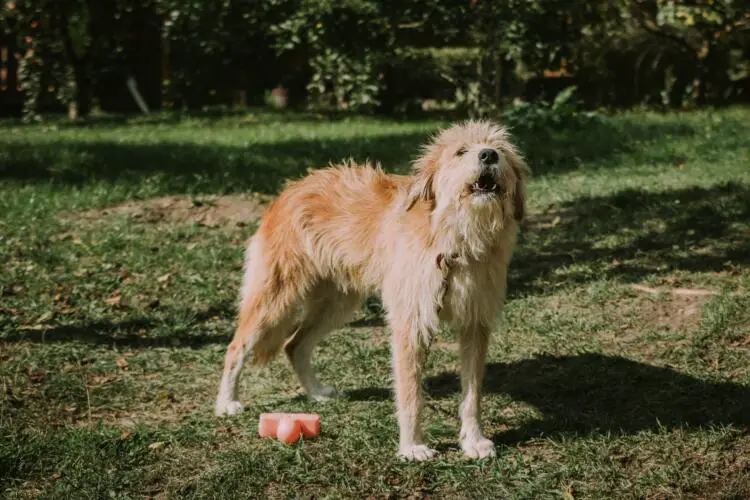
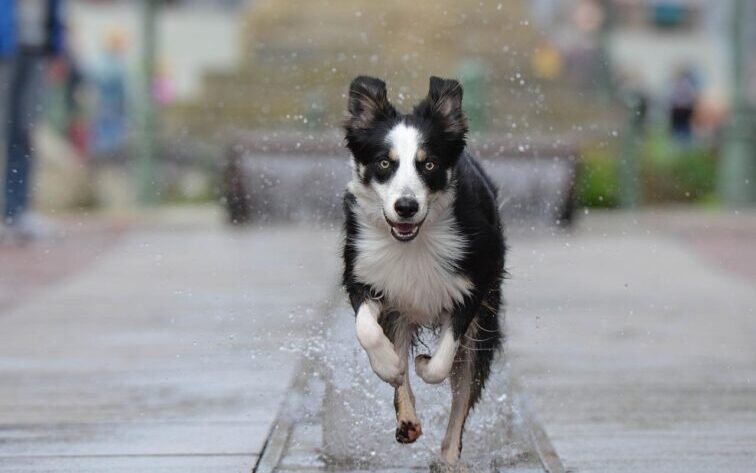
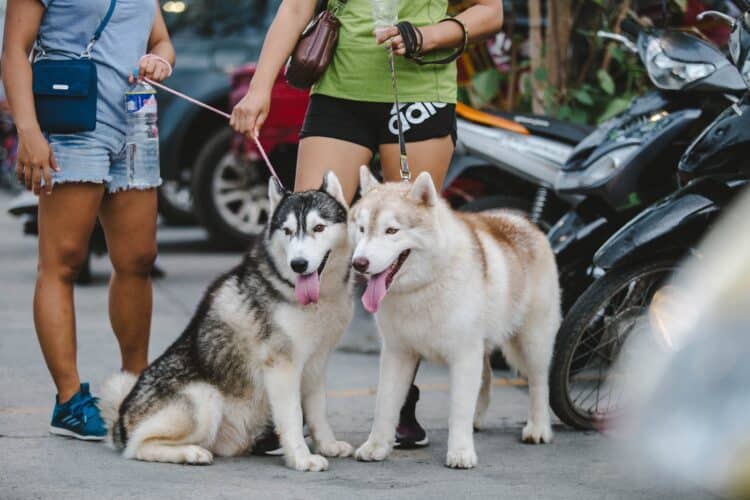
    You don’t have to be a dog owner to know that dogs are not big fans of motorcycles. In fact, most dogs will try to avoid them at all costs. And if a dog is forced to share their space with a motorcycle you’d better be prepared for some very unhappy growling and barking.

    So why is it that dogs dislike motorcycles so much?

    Dogs detest motorcycles because they fear and feel threatened by motorcycles. Motorcycles are loud, vibrate a lot & give off exhaust, all of these things make dogs feel threatened, irritated, and fearful of motorcycles. Dogs heightened sense of smell and hearing also don’t help the situation. Ultimately, motorcycles also make dogs feel like their territory is threatened and a dog’s reaction to a motorcycle is instinctual in nature.

    Let’s break down the 10 key reasons why dogs hate motorcycles:

    1. Dogs can Sense Fear

    Dogs Chase Motorcycles

    Dogs can sense fear, adrenaline, and anxiety from humans, so feel the bike riders’ adrenaline & anxiety. Did you know that a dog’s sense of smell is 10,000 times more sensitive than humans? It has 220 million scent receptors in its nose and we only have 5 million. Dogs are amazing!

    They can detect fear and anxiety through these smells. When a motorcyclist is riding their senses are heightened and they are always on edge, dogs are able to sense this.

    2. Dogs have Sensitive Ears

    Herding Dogs

    Motorcycles are loud and with dogs’ sensitive ears they can hurt! Did you know that dogs have a very good sense of hearing? They are able to hear higher pitches than humans, which is why they can hear the high-pitched sounds used in whistles.

    And when it comes to motorcycles, they aren’t exactly the quietest mode of transport.

    The loud sounds that motorcycles make can hurt dogs’ ears and cause them a lot of discomfort. Accelerating & honking of a horn is very loud sounds for many dogs.

    3. Motorcycle exhaust can irritate a dog’s nose

    Motorcycle Exhaust Noise

    Motorcycles emit a lot of exhaust which can irritate a dog’s nose, eyes, and throat. No one likes to be exposed to the smog of exhaust fumes for long periods of time, and dogs are no different. As mentioned above, a dog’s sense of smell is 10,000 times more sensitive than humans, which also means that they are extremely irritated by the smell of exhaust.

    4. Motorcycles threaten the Territory

    Motorcycle & Dogs

    A dog’s need to protect its territory is instinctual, and something that they have to learn as a puppy. It is one of their primary instincts.

    A dog’s territory can be anything from a room in your house to all areas that you explore with them in the lead (walking, running, etc.)

    When a motorcycle enters this territory it could cause a fight-or-flight response as well as territorial aggression because the motorcyclist may feel like they are dominating the environment that your dog has chosen as its own.

    5. Motorcycle Engine Vibrations unsettle Nearby Dogs

    The vibrations from the motorcycle engine can unsettle nearby dogs. This is another big reason why dogs dislike motorcycles because they feel like their balance is being disrupted by a large machine. This isn’t just motorcycles but heavy machinery, in general, that affects their balance.

    6. Some Dogs like to Show Dominance

    Some dogs just have a need to control everything in their environment and when a motorcycle invades this space it makes them feel threatened. They then use loud barking and chasing to convey that feeling of threatening dominance over this space.

    7. Some dogs are afraid of being left behind

    This one happens a lot! Dogs are left behind and they freak out. They start barking loudly, get scared, and try to chase after the motorcycle so that they can keep up with their owner. If the dog gets out, the result is them running off into traffic or getting hit by a car when distracted by chasing after the motorcycle.

    8. Some dogs may be afraid of the “helmet head” that their owner is wearing or associate it with something else they’re scared of

    This one is far more antidotal than fact but stick with me. Dogs are used to registering our emotions, facial expressions, etc. When we wear a helmet we are hiding this from them and this might be scary to them. Because they have trouble reading our facial expressions with this on, it makes them think we are angry or upset.

    9. Motorcycles are small and fast which causes dogs to chase them out of prey drive

    Dogs who see a motorcycle as prey may give chase to capture it. This is really the same as the dog that chases the ice-cream truck down the road, but motorcycles are much smaller and can come across as much more appealing to them. This can create some unsafe situations on the road between motorcycles and cars if the dog is not kept on a leash.

    10. The dog is just scared

    Whilst not as big as cars, motorcycles are still large and loud when compared to a dog. Honestly, they might just be scared of this unknown creature. Whether it’s flight or fight when a dog feels threatened it’s going to bark. Getting a dog trainer can help with making your dog feel less threatened.

    Conclusion

    If you are riding a motorcycle in referring traffic and see other dogs run free towards you, the best bet is to speed up and move out from the area before any mishap occurs. Every rider has a first time experience with dogs where you have to act quickly and sensibly.

  • 25 Motorcycle Gift Ideas

    25 Motorcycle Gift Ideas

    Reading Time: 5 minutes

    Motorcycles make great gifts for a number of different occasions. If you are looking for the perfect gift for a motorcycle enthusiast but don’t know what to get, consider purchasing something motorcycle-related! They will be thrilled at your thoughtfulness and are guaranteed pleasantly surprised!

    Below are 50 quirky, fun, and thoughtful motorcycle gift ideas:


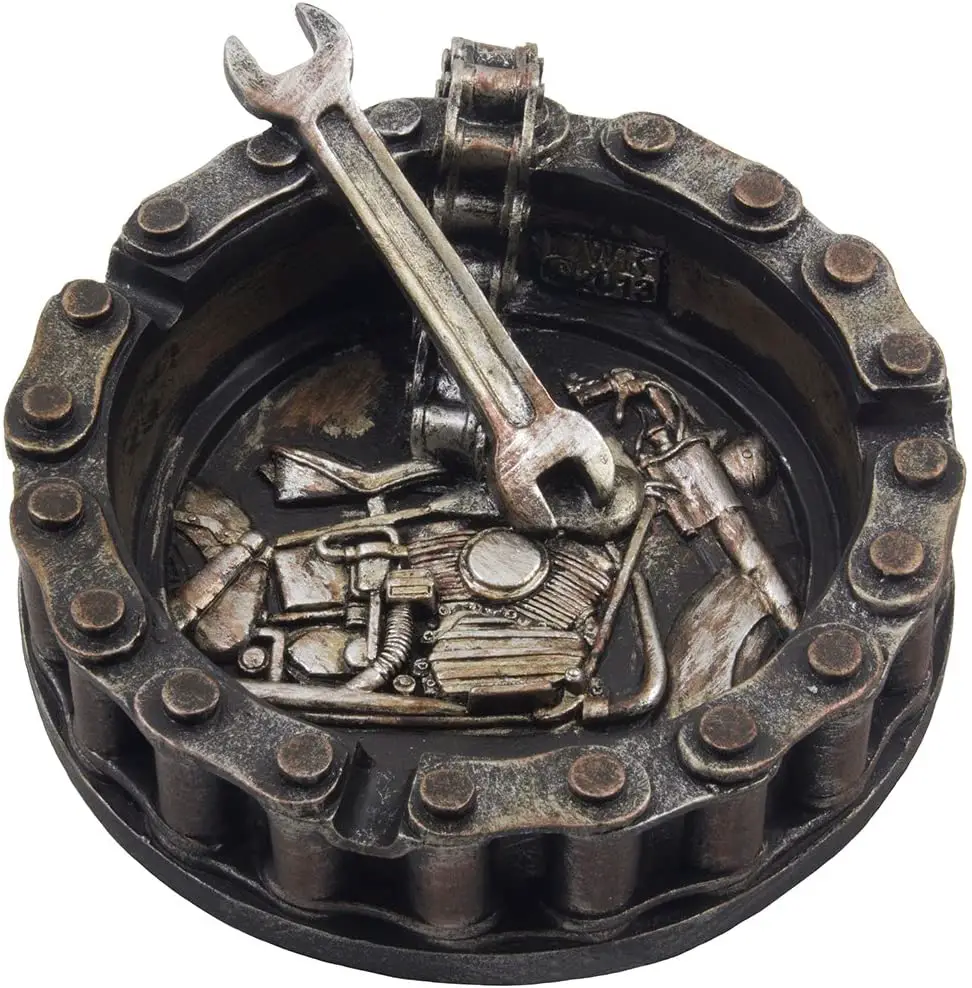
    1. Motorcycle Chain Ashtray with Wrench (click for current price on Amazon)

    If your motorcycle-riding friend or loved one also enjoys a pack or 2 a day consider getting them this motorcycle ashtray.

    2. Leather Motorcycle Journal (click for current price on Amazon)

    This is a great, quirky gift for someone that logs a lot of miles on their motorcycle! They can keep a log of places they’ve been, miles they’ve covered and memories they’ve made!

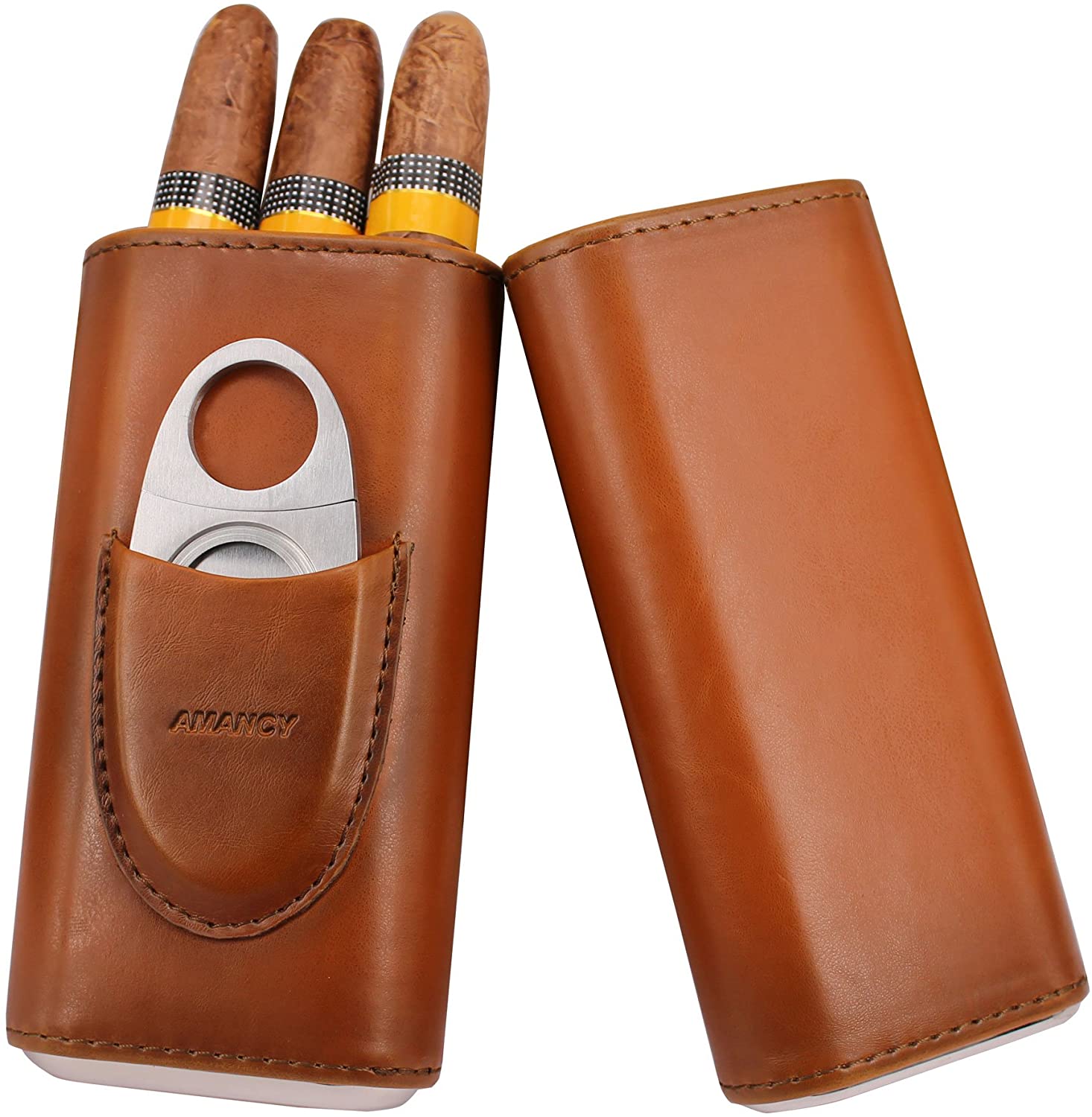
    3. Cigar Holder (click for current price on Amazon)

    Is your special someone a cigar-lover? If so, they’ll appreciate this handmade leather cigar holder. You could get it custom engraved if you want to make it extra personal.

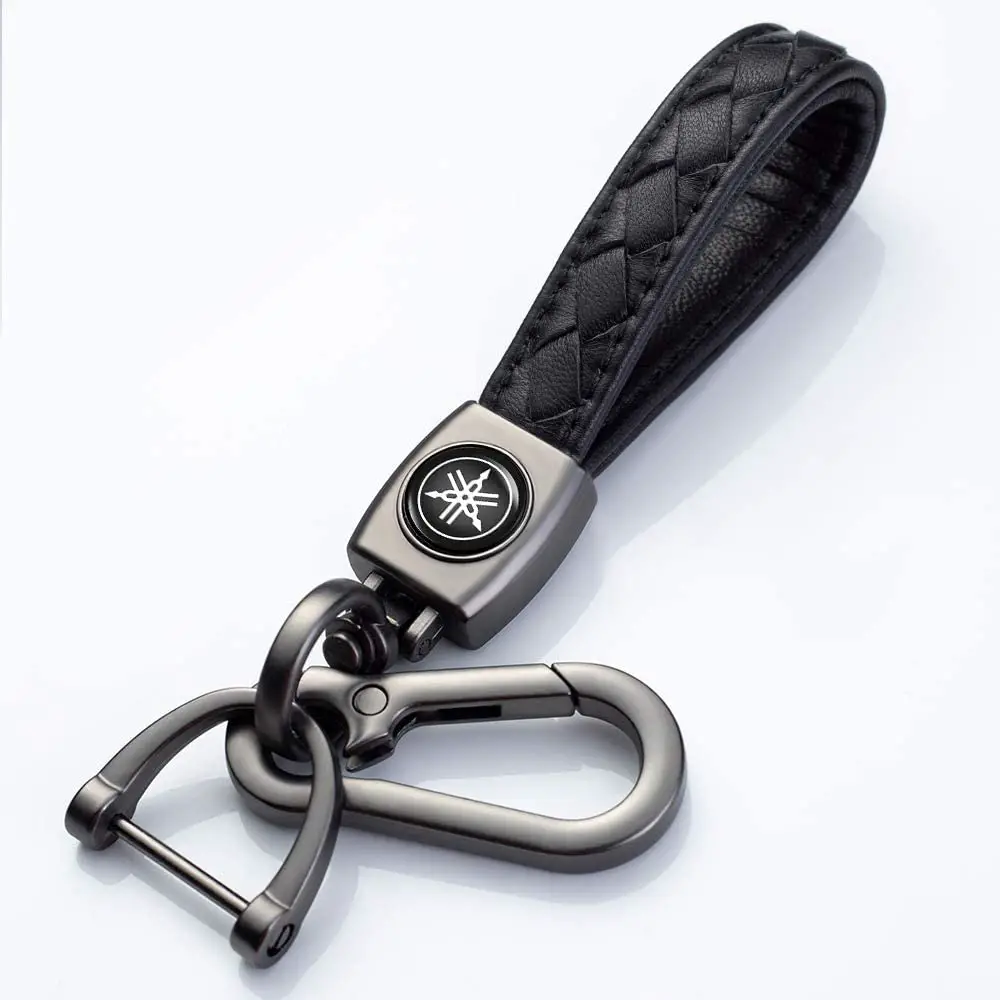
    4. Leather keychain (click for current price on Amazon)

    This leather key fob makes a nice accessory and keeps keys organized and easy to find. Plus, it looks really cool.

    5. Wooden Mechanical Motorcycle Project (click for current price on Amazon)

    If your special someone is a woodwork lover then this might just be the right pressie for them!

    6. Motorcycle Canvas (click for current price on Amazon)

    Motorcycles are a beautiful machine so it only makes sense that you’d want to display them as fine art!

    7. Motorcycle Belt Buckle (click for current price on Amazon)
    8. License plate keychain (click for current price on Amazon)

    If the special someone you’re shopping for has a motorcycle or are a car enthusiast, they’ll love this licence plate keychain. Ps. Other cities are also available!

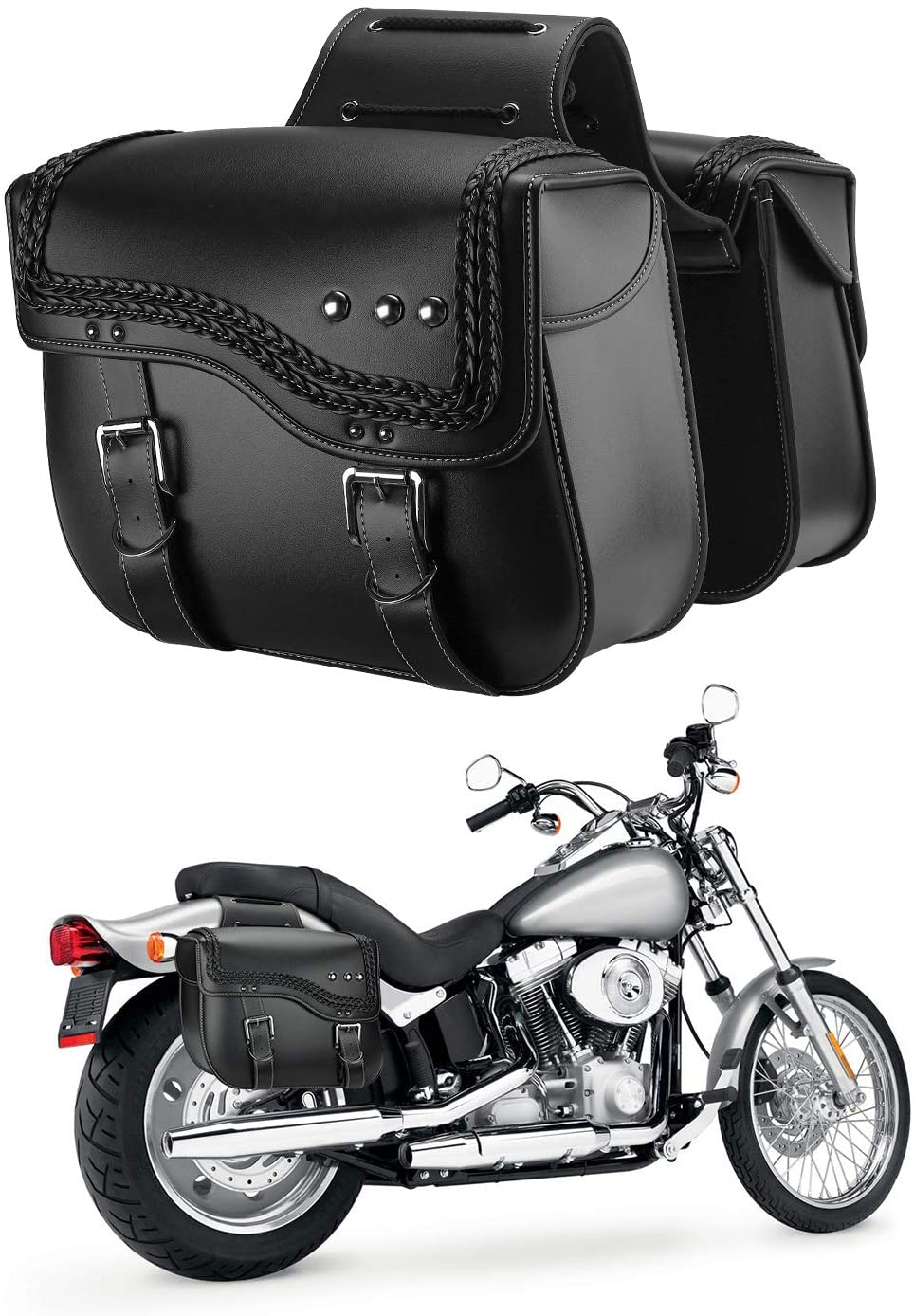
    9. Leather saddlebag (click for current price on Amazon)

    If the special someone you’re shopping for has a motorcycle or are a car enthusiast, they’ll love this licence plate keychain. Ps. Other cities are also available!

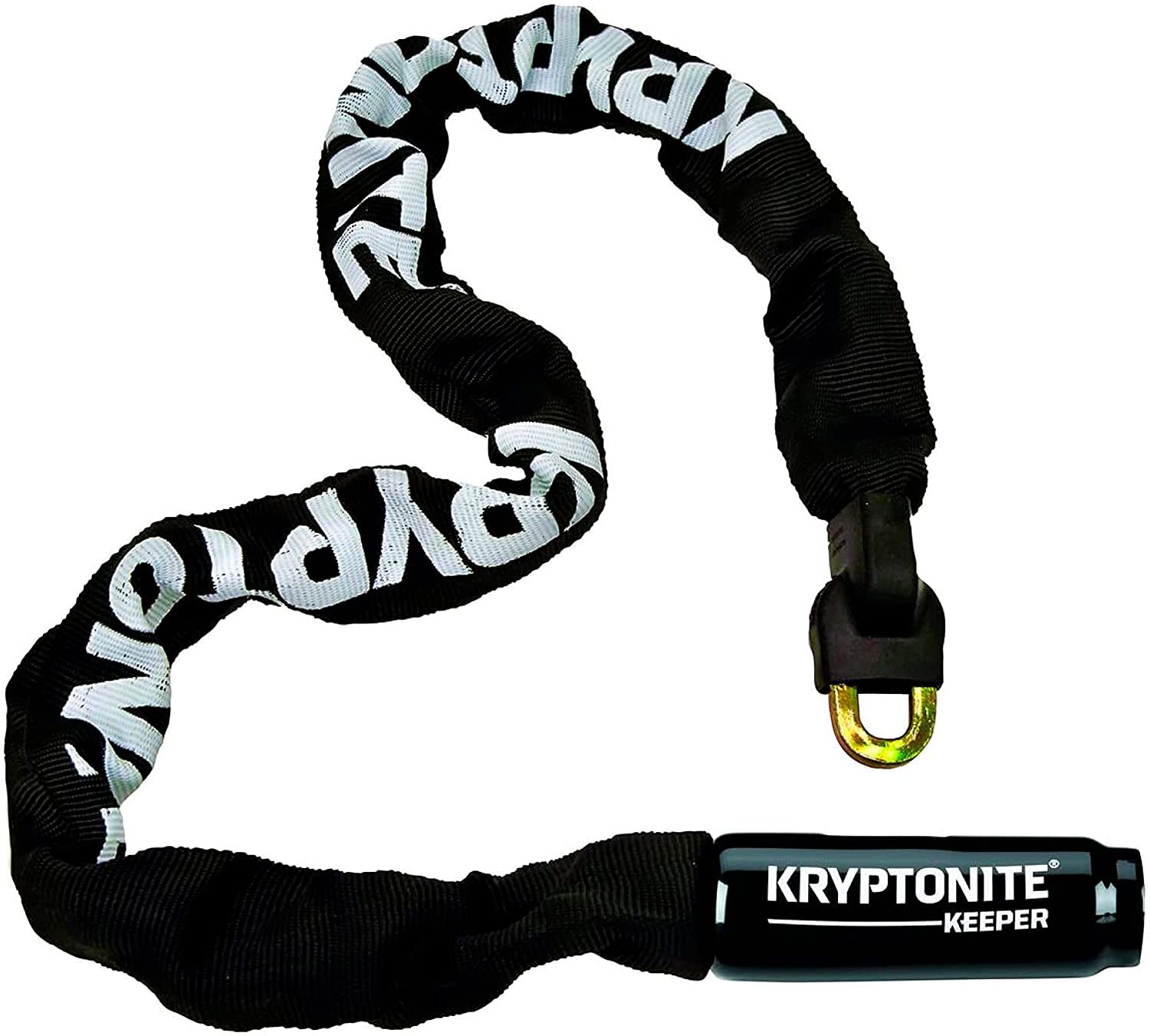
    10. Motorcycle Lock Chain (click for current price on Amazon)
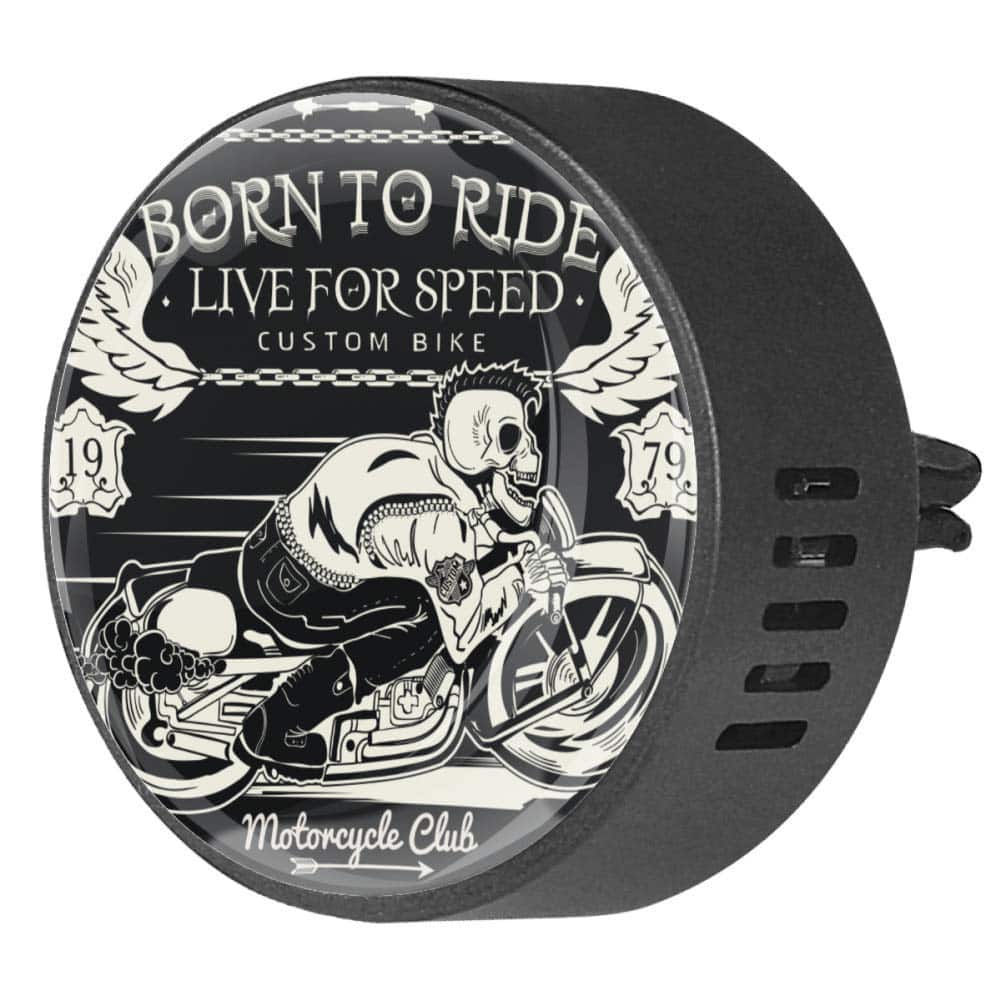
    11. Motorcycle-themed Car Air-Freshener (click for current price on Amazon)
    12. Motorcycle Chain Picture Frame (click for current price on Amazon)

    If you’re looking for a sentimental gift idea for the biker in your life, look no further than a photo bike frame.

    13. Funny motorcycle t-shirt (click for current price on Amazon)

    For the biker in your life that also loves to crack jokes and laugh at themselves, consider buying them this funny t-shirt.

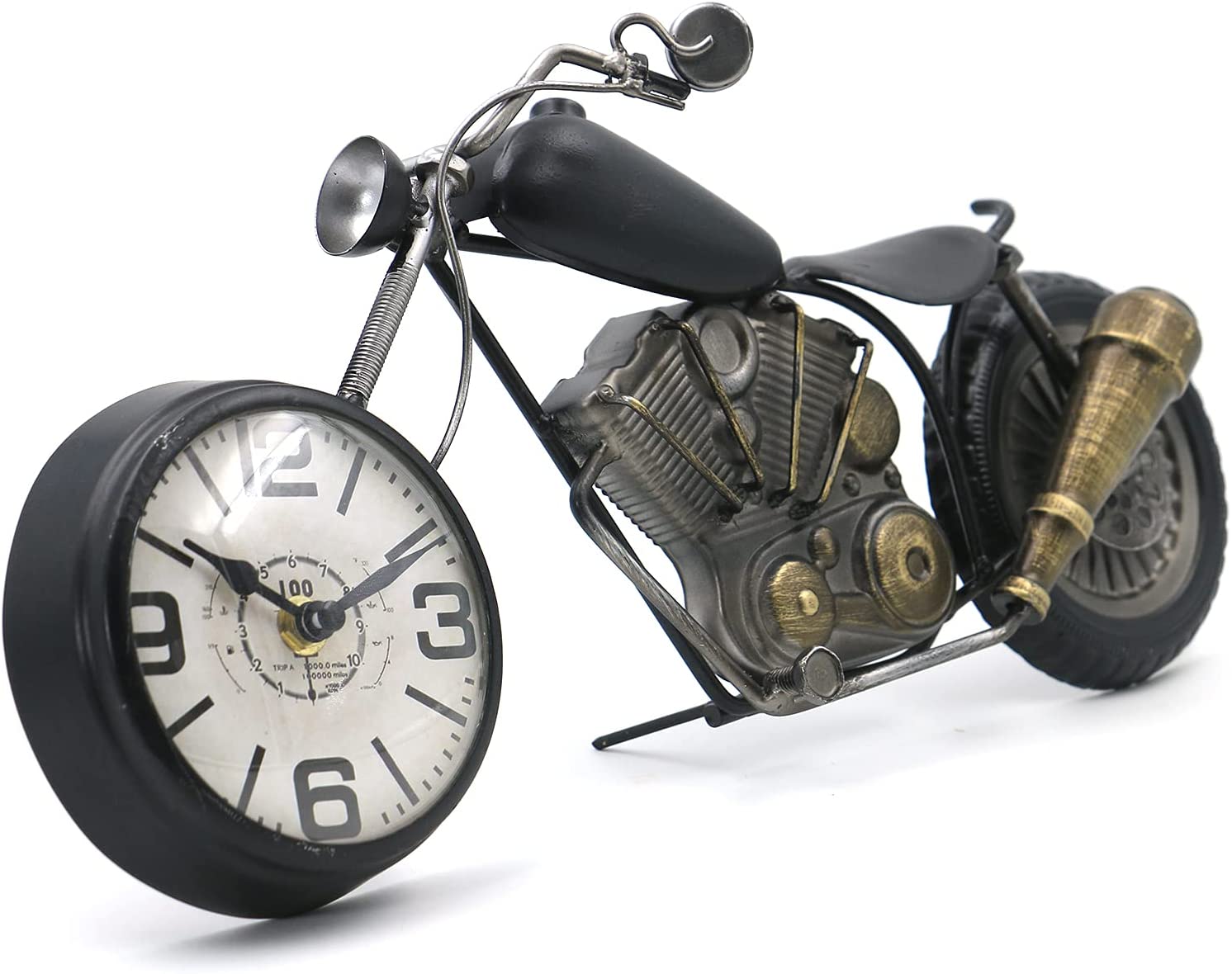
    14. Motorcycle Tabletop Clock (click for current price on Amazon)
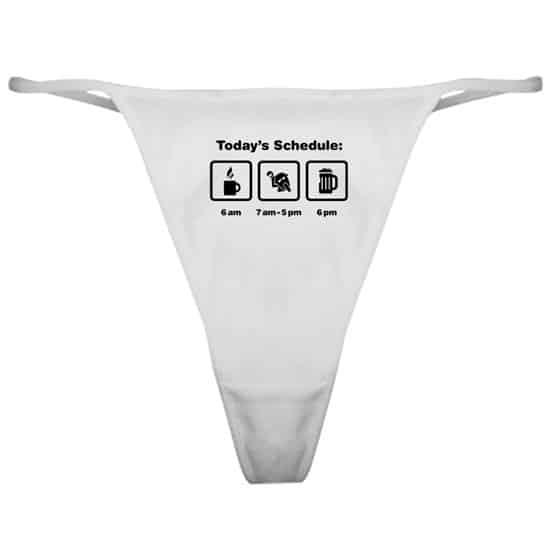
    15. Motorcycle-Themed Underwear

    Who wouldn’t want to open up a gift and find men’s motorcycle-themed boxer brief or even women’s underwear inside? You can buy these as gag gifts, but they would also be perfect if you were trying to give someone the hint that you wanted them to get a motorcycle!

    16. Motorcycle charm necklace (click for current price on Amazon)

    This motorcycle charm necklace is a great gift idea for any girl who loves to show off her love of motorcycles, but also wants to look classy while doing it!

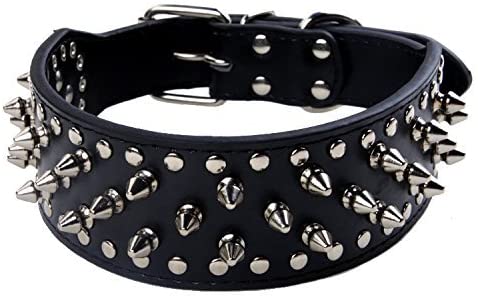
    17. Leather Studded Dog Collar (click for current price on Amazon)

    If you have a friend in your life that loves motorcycles and also has a dog, this is the perfect gift idea! It’s really cute and stylish

    18. Rokform Motorcycle Quick-Release Phone Case (click for current price on Amazon)

    Rokform produces the absolute best quick-release phone mount system. Buying a Rokform phone case would make for an awesome present for anyone with a motorcycle.

    19. Stainless Steel Motorcycle Chain Bracelet (click for current price on Amazon)
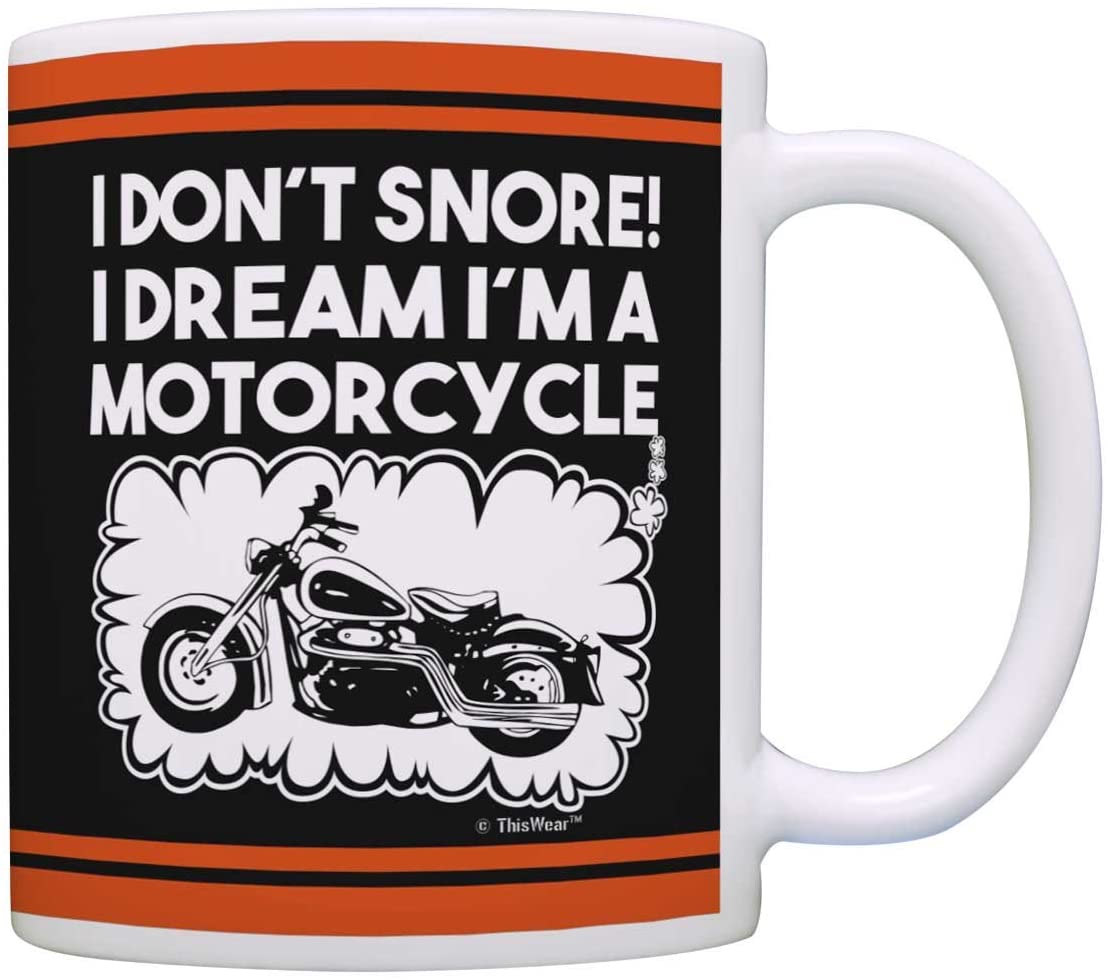
    20. Motorcycle Joke Mug (click for current price on Amazon)
    21. Motorcycle-Themed Towel (click for current price on Amazon)

    This motorcycle-themed towel is a great gift for any biker. It’s perfect to have on hand in case they need to dry off after showing off their ride at the beach or lake.

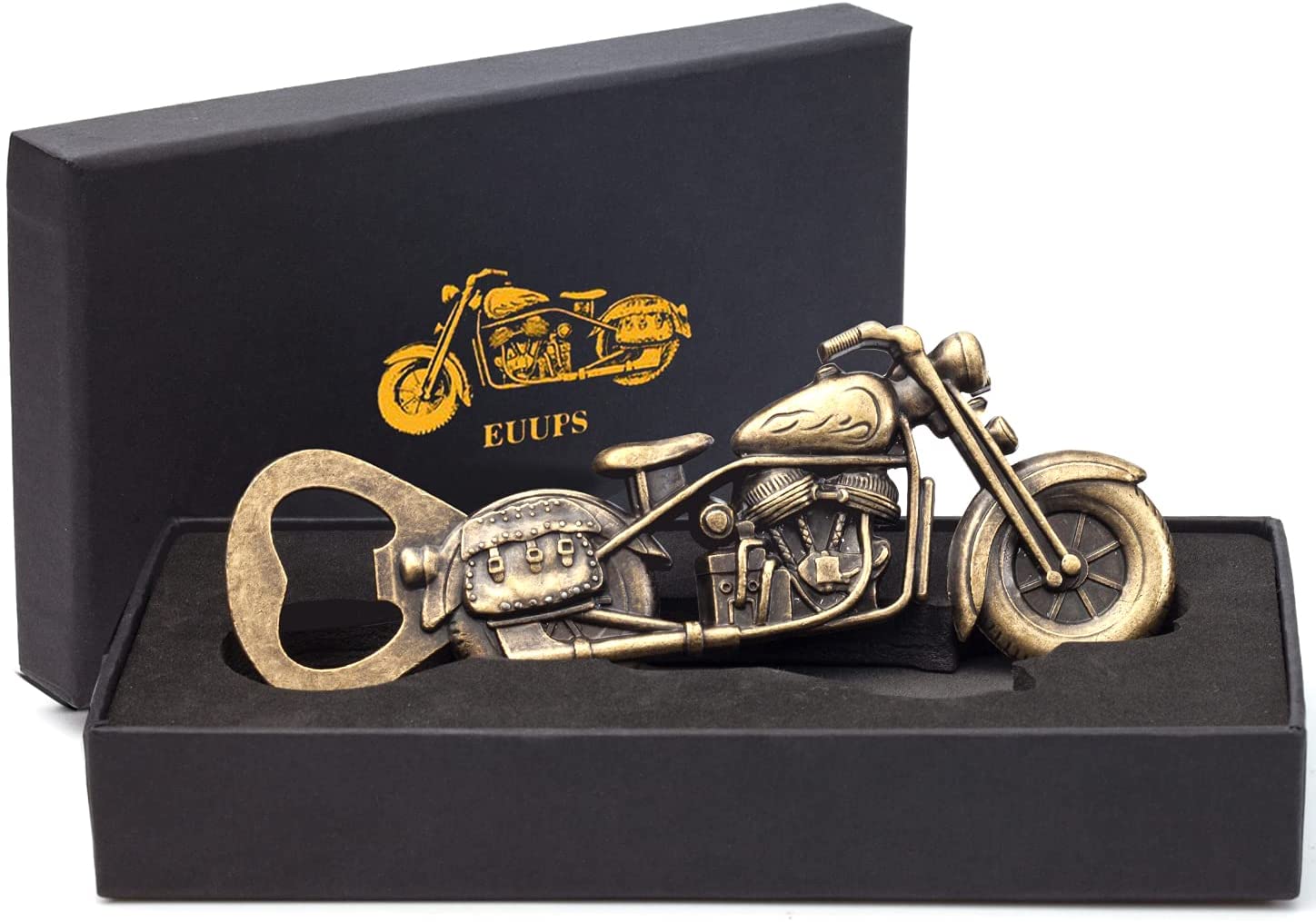
    22. Motorcycle Bottle Opener (click for current price on Amazon)
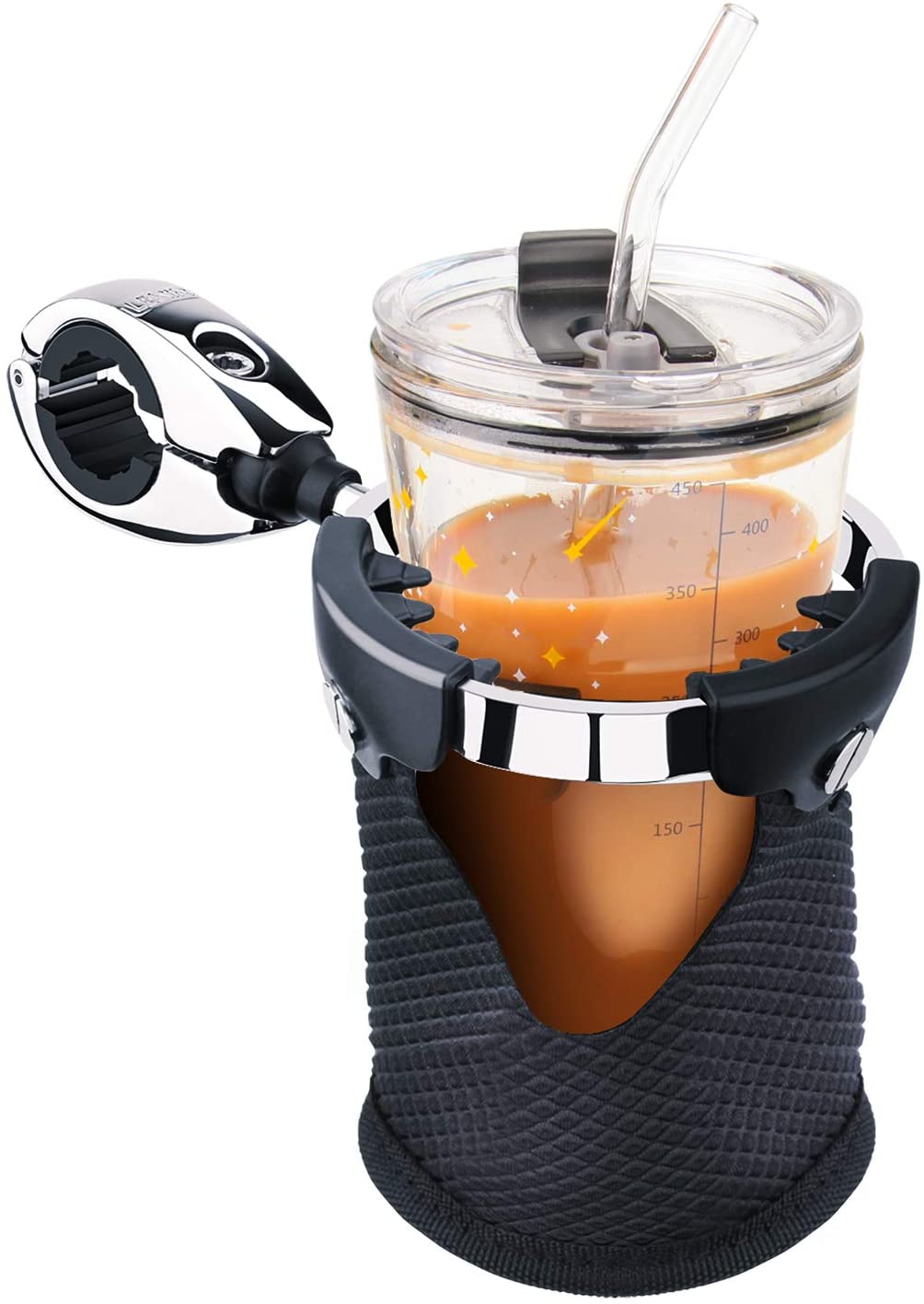
    23. Motorcycle Cup Holder (click for current price on Amazon)
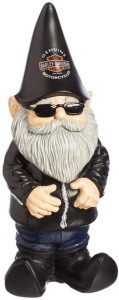
    24. Harley-Davidson Garden Gnome (click for current price on Amazon)
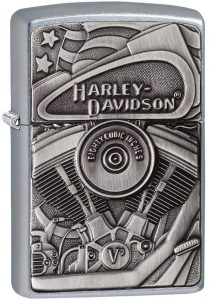
    25. Harley-Davidson Motorcycle Lighters (click for current price on Amazon)
  • Best Motorcycle Maintenance Items: Guide Catalogue

    Best Motorcycle Maintenance Items: Guide Catalogue

    Reading Time: 5 minutes

    Motorcycles require a lot of care and attention. But some simple and not too expensive maintenance items can save you a lot of money in the long run.

    A motorcycle maintenance checklist is important to increase the longevity of the bike. A maintenance checklist can include a lot of materials like brake fluid, rear wheel, oil filter, fuel filter, engine oil, fuel lines and other items depending on the condition of the bike. Riders need to keep a service manual for routine maintenance of the motorcycle engines, motorcycle tires, motorcycle batteries, brake cleaner, steering head bearings, bake pad, tire pressure, tread wear indicator and other maintenance tasks to keep their bikes in tip top shape.

    An owner’s manual for motorcycle riders with a different range of bikes like dirt bikes, superbikes or others is essential for a timely check-up. The manual helps to track if a bike needs a new oil filter, battery terminals, brake rotors, rear shock, brake calipers, wheel bearings, air pressure check or wheel alignment test. A pressure washer is a common instrument used by professionals in a service center to clean bikes. They can replace motorcycle oil with fresh fuel, chain lube, check for proper pressure, check the engine’s performance and do spark plugs changing if required. The riding style determines the condition of the motorcycle’s spark plug, cooling system, chain tension, fork seals and more. To keep the engine warm, a rider needs properly lubricated motorcycle care and check the coolant level for a refill. The motorcycle engine, brake pad, brake lines, tire tread and other components wear out with time. This leads to a dead battery. A correct procedure for maintenance and the service intervals play a crucial role to maintain the bike.

    The four best motorcycle maintenance items that I recommend are:

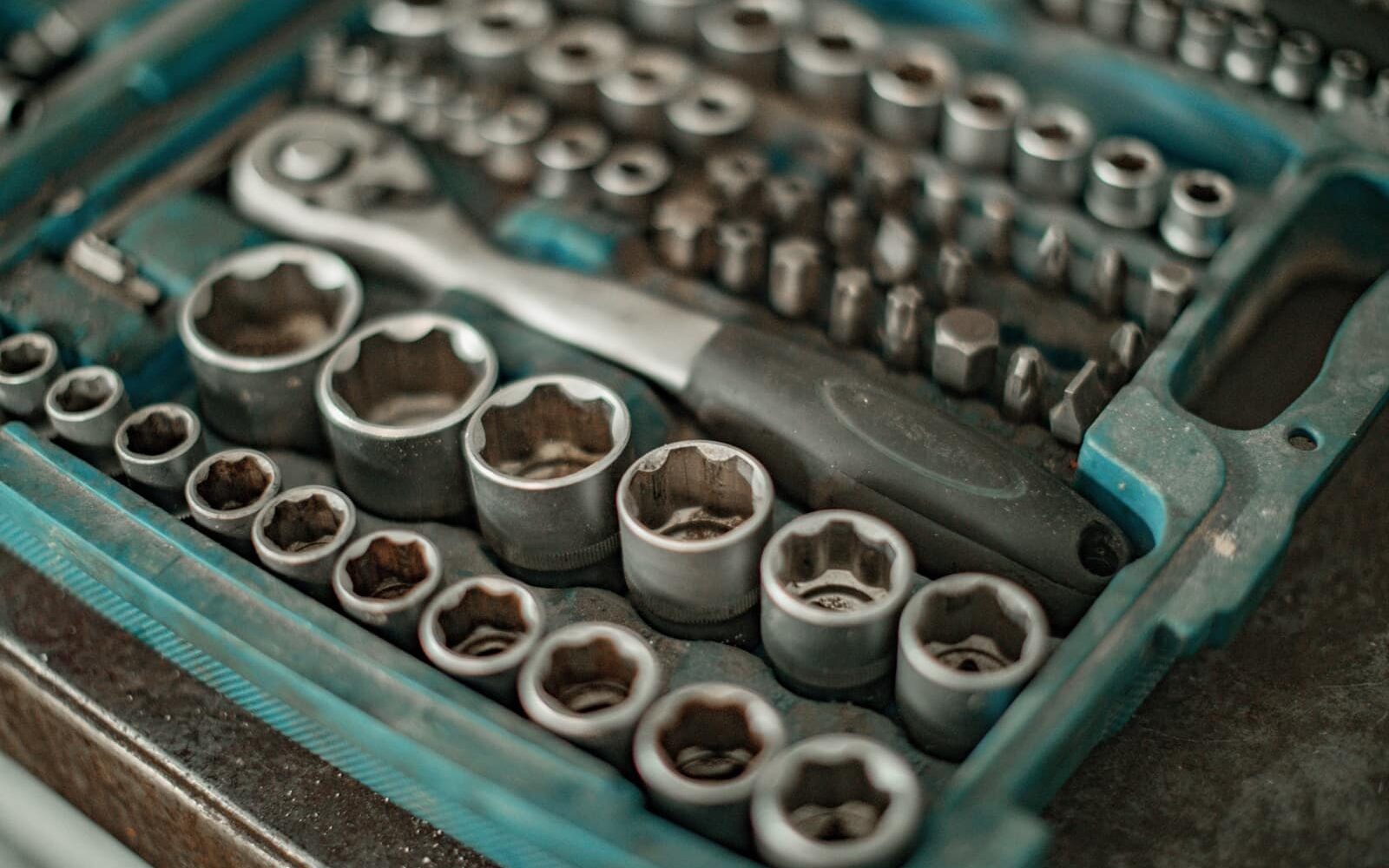
    1. A Torque Wrench & Socket Set
    2. Motorcycle Stand
    3. T-Handle Hex Key
    4. A Solid Screw-Driver Set

    Let’s break down why…

    Why do you need a torque wrench?

    best motorcycle maintenance items

    One of the most significant things to consider when working on a motorcycle is if the bolts are being tightened with just enough force. To prevent over-tightening or stripping parts, use a torque wrench! Trust me, you don’t want to make that mistake.

    A torque wrench allows you to input how tight you want it and gives an audible signal when it has been achieved. The average torque range for tightening bolts on motorcycles is between 3-15 ft-lbs.

    A standard mechanics socket wrench set should have up to 30 ft-lbs, which can be used for nuts and bolts that require a good amount of force (i.e., wheel sprocket). But there are also sockets created only for torque wrenches called “click-type” wrenches which click after reaching proper tension or torque like this one from Amazon

    A torque wrench is one of those tools you need in your shop to keep things running smoothly and prevent future damage.

    What about a motorcycle stand?

    best motorcycle maintenance items

    Motorcycle stands are great for not only repairing your bike but even performing standard maintenance like oil changes or checking the air filter. This saves you time and money cause you don’t have to take it into a shop when all you want to do is change your brake pads… By using a motorcycle stand you can actually work on your bike yourself and save time as well as money.

    It’s very sturdy, easy to put together (took me less than 10 minutes), and makes working on my bike a breeze because it holds it up without having to hold on to it yourself.

    This brings me to my next must-have item: T-Handle Hex Keys

    best motorcycle maintenance items

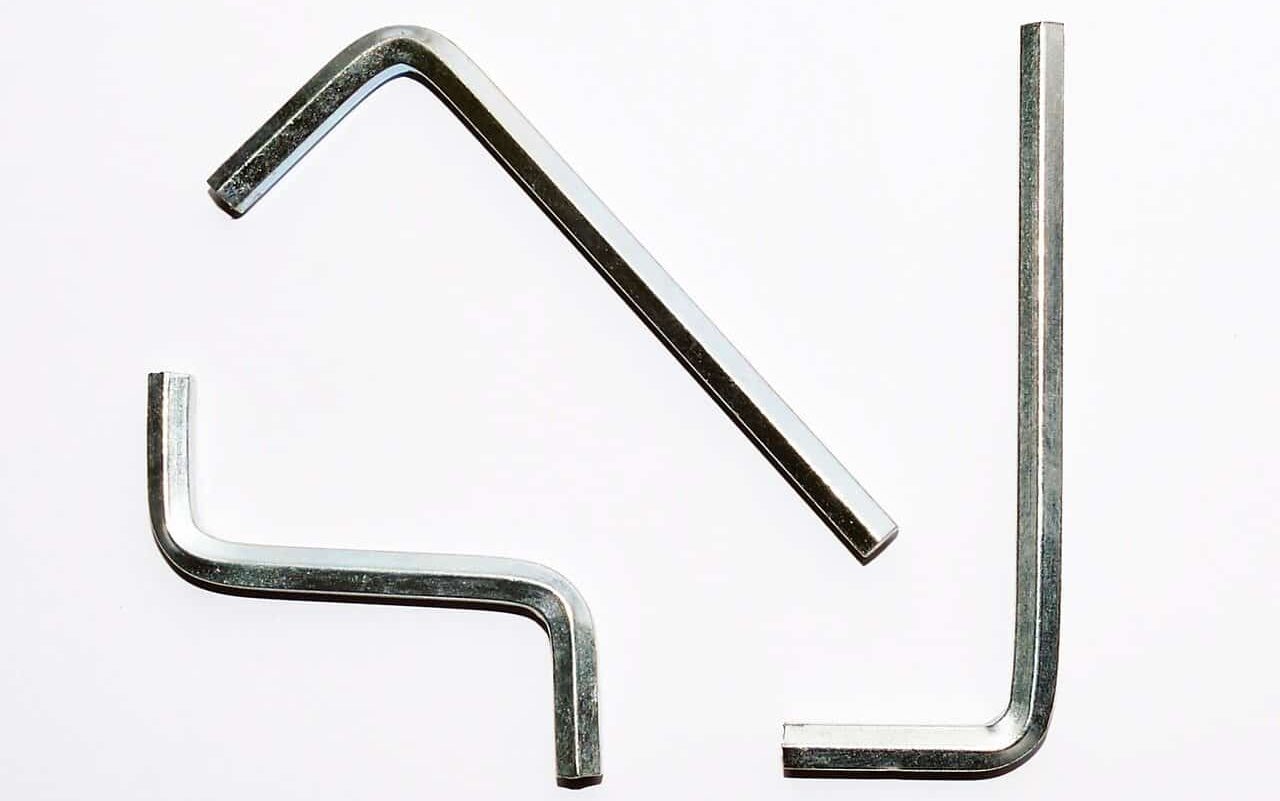
    I would argue that having a good T-Handle Hex key set is one of the most important items on this list. It will save you so many headaches!

    What are T-handle hex keys? They are small tools used to tighten or loosen bolts and screws by hand with just enough force without stripping anything (again, trust me). If there’s ever a stripped bolt in your life, you know how painful it is. These make it possible to get those bolts out without destroying them or your hands…

    A standard 17mm wrench for example has plenty of torque to not strip Allen screws and smaller bolts but once you get into larger sized wrenches, they may strip before being able to loosen them especially if they’ve been tightened

    enough times.

    This is why I would recommend getting a set like this one.

    A lot of the allen screws on motorcycles are 6mm, 5mm, or 4mm so having T-handle hex keys (in those sizes) comes in pretty handy and saves you from making that trip to the bike shop because you can’t remove your rear axle.

    This brings me to my next must-have: A Solid Screw Driver Set

    best motorcycle maintenance items

    Having different screwdrivers for different needs is important whether it be electrician screwdrivers for electrical work or pilot bits for drilling, etc. But when working on your motorcycle, being able to handle bolts of various types and sizes with just one screwdriver is super convenient especially if you don’t have to go running into the house to find a different-sized screwdriver every time.

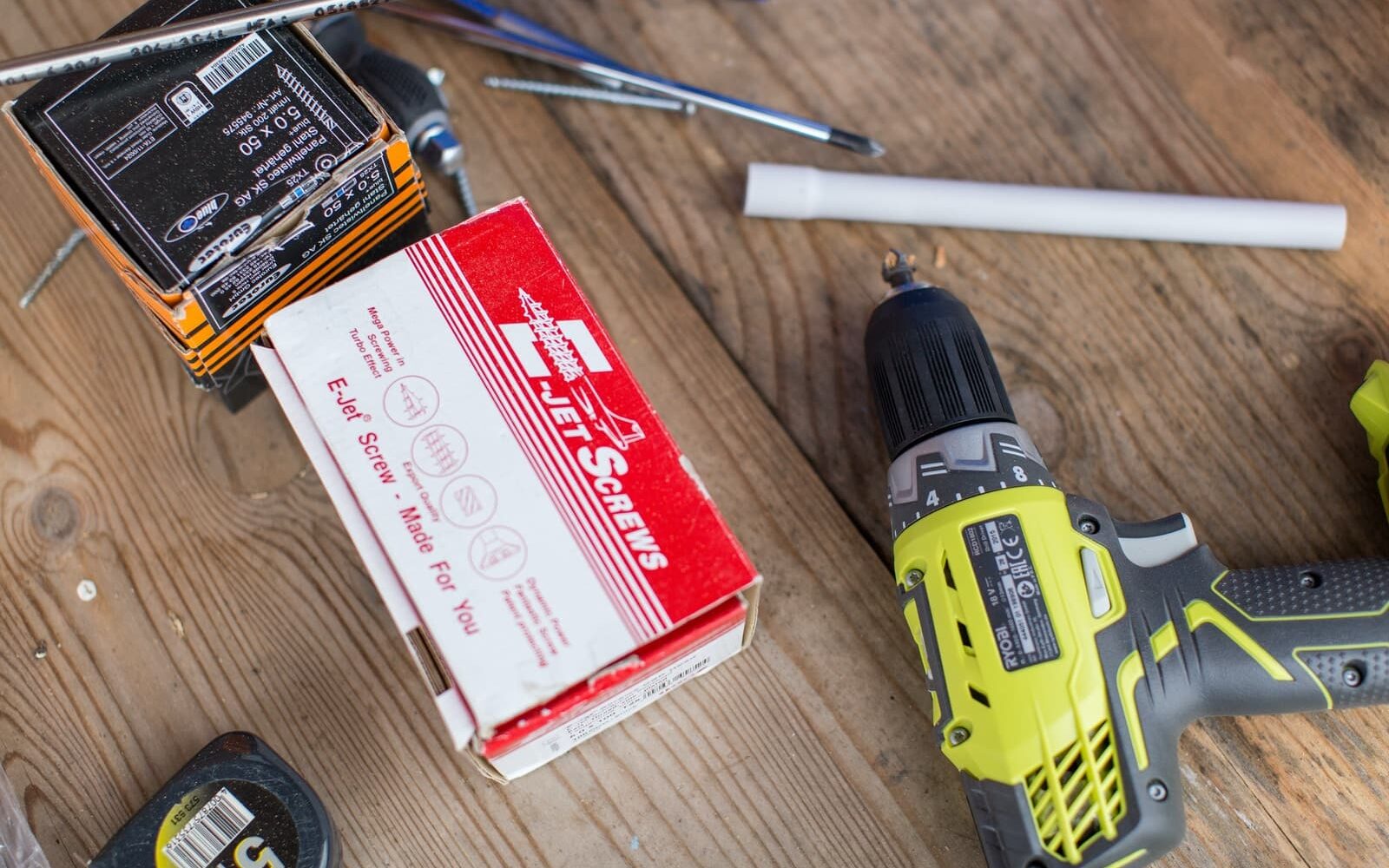
    This set for example includes flat head, Phillips head, Torx bit, and square drives which are incredibly common in motorcycle repair. You could easily avoid having a toolbox full of screwdrivers that accomplish the same thing if you just get one good solid screwdriver.

  • 10 Best Motorcycle Pants For Riding

    10 Best Motorcycle Pants For Riding

    Reading Time: 4 minutes

    Every rider knows how important it is to have the right type of riding pants.

    Not only do they need to be comfortable for hours on end, but also protective enough to keep you safe. Let’s take a look at the best motorcycle pants for your needs.

    There are many different types of riding gear available and frankly more than you’d want to research!

    So in this article, we’ll be giving you our top picks for each category of riding.

    What to Look for in Motorcycle Pants

    Tutu Cowhide Leather

    Motorcycle pants are an essential motorcycle safety garment but there are some things to look for in motorcycle pants. This is because not all motorcycle pants are equal.

    Below is a list of what to look for in motorcycle riding pants:

    • Leather or heavy denim riding jeans
    • Abrasion resistance
    • Hip and knee armour
    • Removable thermal liner
    • Look for slits for a rider’s legs for ease of movement

    Leather or Cordura Denim Moto Jeans

    Best Gear for Impact Protection

    Leather or heavy denim riding jeans are the most popular type of biking pants. They are hard-wearing and offer abrasion resistance in the event of an accident. Kevlar is also a super popular material when it comes to moto jeans because it provides an additional layer of protection in the event of a crash.

    Urban riders prefer serious protection to match their riding style with relaxed fit jeans with front pockets for optimal comfort.

    Regular jeans don’t offer the same level of protection as riding-specific pants, so be sure to give any casual jeans a hard pass.

    Abrasion Resistance

    Non Woven Slim Fit

    When we talk about abrasion resistance, this means the material’s resistance to wear and tear. Abrasion testing is usually done on materials by rubbing them against each other. The more abrasion-resistant pants are, the longer they’ll last without getting worn out or shredded. The more abrasion resistance the more likely it is that you’ll be able to wear them after a slide. Alpinestars Copper or Alpinestars Andes stay warm and are fully adjustable.

    Hip and knee Armor

    Seek motorcycle pants that offer both hip armour and knee armour. These should fit properly and should be removable because you can get extra.

    Wearing a full set of armour is the best way to protect your body in the event of an accident, but sometimes it’s not possible or practical to wear all of them at once. For example, while riding on a hot day, some riders choose to remove their armoured jacket for comfort. In these cases, it may be necessary to have some additional protection such as hip and/or knee protectors that can be worn with any outfit. When shopping for these items keep in mind how often you’ll need them so that you don’t end up purchasing more than what you really need!

    Removable Thermal Bike Wear

    Covert jeans usually come with a mesh lining to boost abrasion resistance. This means that you can remove it in warmer weather and put it back on when the temperature drops. The other good thing about having a thermal layer is that if your pants get wet or ripped, you will not have to replace the entire motorcycle pant.

    Should Motorcycle Pants be tight?

    Motorcycle pants should be fitted tight without being restrictive. If the pants are too tight, you will not be able to move easily, this can make you uncomfortable and even may result in a crash. If the pants are too loose then there will be more drag and friction in the case of a crash.

  • Best Motorcycle Jackets

    Best Motorcycle Jackets

    Reading Time: 4 minutes

    The best motorcycle riding jackets are the ones that aren’t just functional but also look cool.

    Let’s be honest, I think the majority of us riders out there buy gear for the looks as much as the function. And that’s ok! As long as it does protect as well.

    That’s why we’ve created a list of our top picks motorcycle jackets for 3 different styles: leather, textile, and mesh. That way you can purchase with confidence knowing you are getting a great-looking jacket that will also do its job.


    Best Touring Jacket

    5/5

    Halvarssons Mora Jacket

    The Halvarssons Mora Jacket is a heavy-weight contender when it comes to motorcycle jackets. It has everything you could ask for when exploring on a cross-country expedition. 

    Pros
    • Detachable, Dryway+2.0 Waterproof Membrane
    • Ventilation zippers Chest & Sleeves
    • Detachable Thermal bodywarmer
    • Level 2 CE Protection
    Cons
    • Limited sizing Options (especially for larger men)
    • Expensive


    Buy Halvarssons Mora Now


    Best Leather Jacket

    4.7/5

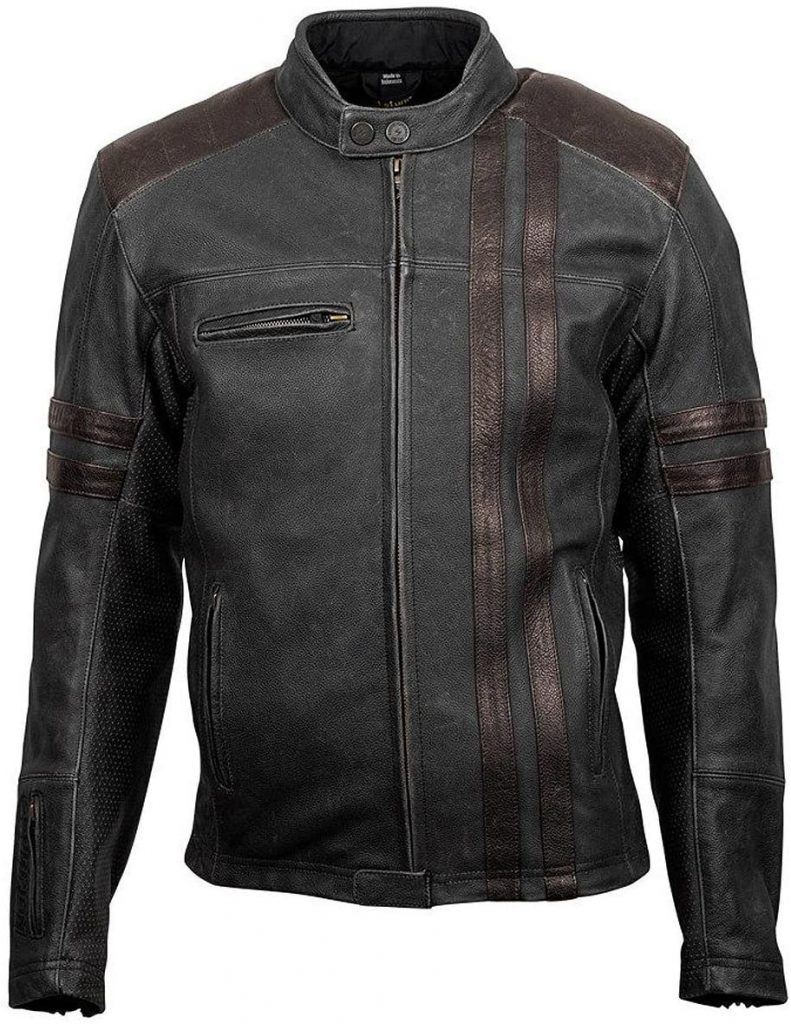
    Scorpion EXO 1909 Leather Jacket

    The Scorpion EXO 1909 Leather Jacket is hands-down one of the best leather jackets on the market. With soft distressed leather, YKK zippers & a EverHeat jacket liner you’ll be riding with confident.

    Pros
    • removable everHeat liner with kwikwick panels
    • Soft Distressed leather jacket
    • Sas-Tec L2 armor
    • ykk zippers
    Cons
    • Worldwide stock shortage
    • Expensive


    Buy Scorpion EXO 1909 Leather Jacket Now

    Features and Benefits

    • This is a Soft distressed leather jacket which only gets better with age! 
    • It comes with Sas-Tec Level 2 armor at elbows and shoulders and a pocket for a spine protector (not included though so be sure to go pick one up).
    • The Perforated panels under the arms and side of the torso + two zippers at the rear of the jack are really good for ventilation. 
    • Additional Leather has been used as overlays at elbows 
    • Of course, this jacket comes with YKK zippers throughout so you’ll rarely get a snag and the zippers should last for life. 
    • The jacket also comes with a removable EverHeat jacket liner with Kwikwick panels for those cooler rides.


    Best Textile Jacket

    4.7/5

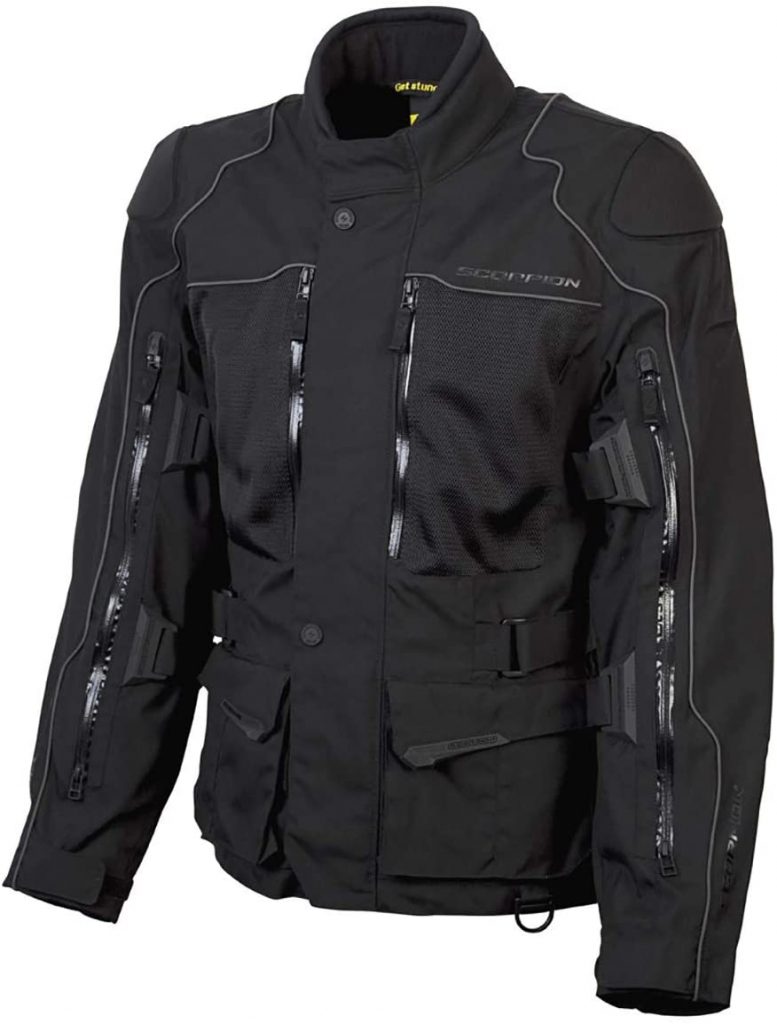
    ScorpionExo XDR Yosemite Adventure Touring Jacket

    If you’re after a textile riding jacket you should look no further than the ScorpionExo XDR Yosemite Textile Adventure Touring Jacket (what a mouthful!). This jacket is probably one of the best all-around jackets money can buy.

    Pros
    • Wingproof Panels
    • Zip-Out Airguard Waterproof Liner
    • NightViz Reflective material
    • Sas-Tec Armor Included
    Cons
    • Very thick jacket
    • Expensive


    Buy ScorpionExo XDR Textile jacket now

    Features and Benefits

    • The jacket has windproof panels that can also be folded down on cool days. But when it’s a hot day you can unzip the front and back vents to receive optimal airflow. 
    • Zip-out Airguard waterproof liner mean that you’ll stay completely dry in the rain & the included removable thermal EverHeat liner keeps you toasty when it gets cold. 
    • This all-nylon jacket is equipped with heavy-duty abrasion zones, NightViz reflective material, and a wide range of climates to fit your varying needs. 
    • You can adjust the Sas-Tec armor at shoulders and elbow pads to your heart’s content with lockdown straps absolutely everywhere. 
    • Back pad pocket means you can purchase a Sas-Tec Level 2 CE certified back protector for extra protection.


    Best Mesh Jacket

    4.1/5

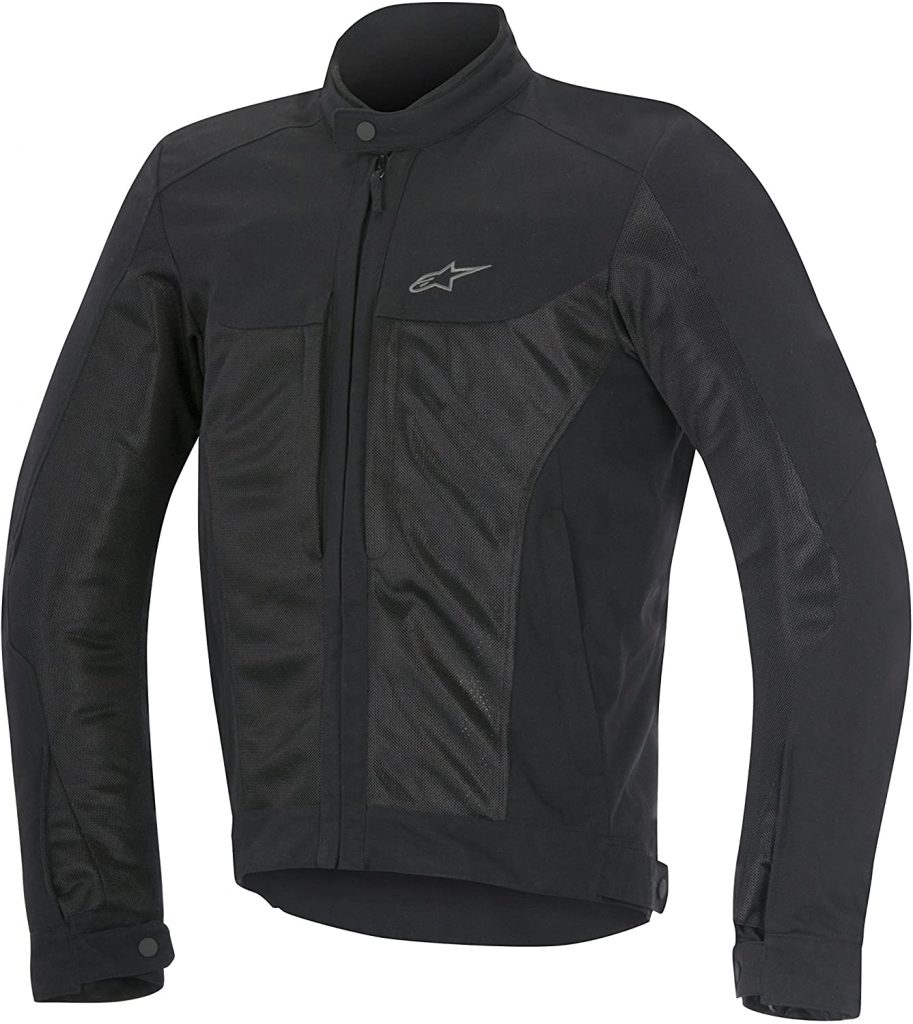
    Alpinestars Men’s Luc Air

    My recommended mesh riding jacket is the Alpinestars Men’s Luc Air. Which is actually also my wife’s favorite jacket too (women‘s version of course)! A mesh jacket is really a must in those summer months, otherwise, you can forget riding through the day. Let’s go through why we love this jacket so much:

    Pros
    • 480 denier poly-textile
    • durable and water-resistant
    • shoulders, elbows, and back are CE-certified pads
    • Unparalleled Airflow
    • Cordura® 373 GSM
    • Looks Great!
    Cons
    • No Waterproofing


    Alpinestars Luc Air

    Features and Benefits

    • The outer layer of the jacket is made from a 480 denier poly-textile that has been double PU coated to make it both. 
    • Scrap the technical talk for a second, because I really don’t know what magic they’re using in this thing but… The intake of air in this jacket is just amazing. It almost feels like you’re not wearing a jacket while riding. 
    • The protection around your and all pockets can be adjusted for a snug fit. I think my favorite part of this jacket is the look, it doesn’t look like a mesh jacket, it looks legit!
  • Best Motorcycle Footwear

    Best Motorcycle Footwear

    Reading Time: < 1 minute

    When it comes to riding gear, footwear is one of those things that often get overlooked. But with 41.5% of all motorcycle injuries being foot-related its time to protection those little toes.


    Best Touring Boots

    4.7/5

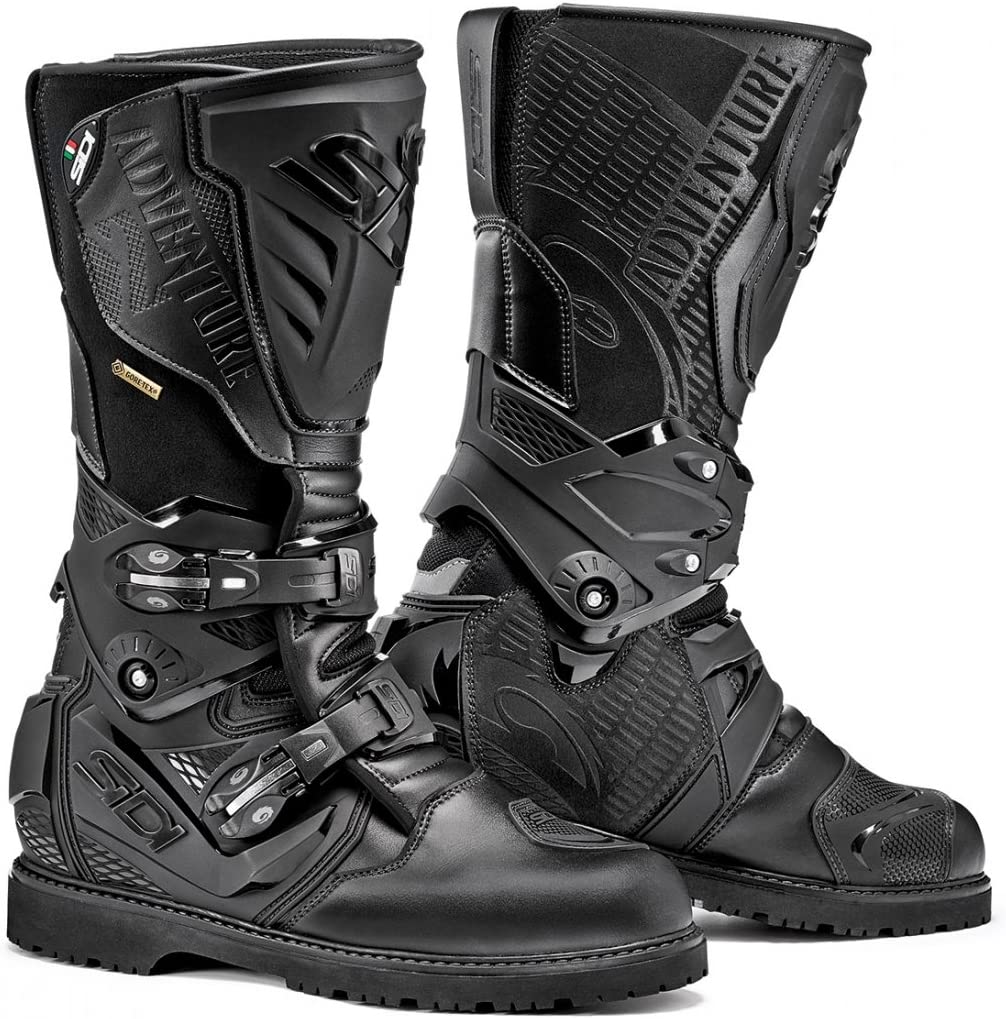
    Sidi Adventure 2 Gore Tex Motorcycle Boots

    These are the Sidi Adventure 2 Gore Tex Motorcycle Boots & my gosh they are one hell of a pair of boots!

    Pros
    • Comfortable for Touring
    • Outstanding Protection
    • Lasts a lifetime
    Cons
    • Expensive
    • Limited Colors


    Buy Sidi Adventure 2 Motorcycle Boots​ Now


    Best Women’s Boots

    4.7/5

    Harvey-Davidson’s Lomita

    When it comes to sexy riding boots, you know they’ve got to be leather! That’s why these Harvey-Davidson’s Lomita make it on this list.

    Pros
    • Voted sexiest boots
    • Lasts a lifetime
    • Leather Boot
    Cons
    • limited protection
    • Expensive


    Buy Harvey-Davidson’s Lomita Now

    Features and Benefits

    • Comfortable
    • Durable
    • Ultimate Protection
  • How do I get my dog to stop barking at motorcycle

    How do I get my dog to stop barking at motorcycle

    Reading Time: 4 minutes

    Dogs bark at motorcycles all the time, but have you ever wondered why? And better yet, if there is anything you could do to stop your dog barking at motorcycles for good? In this article, we will break down the different reasons why dogs bark at motorcycles and see if we can’t help you. solve this issue!

    Dogs bark at motorcycles because they want attention, they are afraid or out of a sense of territorial aggression.

    In order for your dog to stop barking at motorcycles, you have to find out the root cause of why they are doing this in the first place. Let’s explore what it could be:

    They want attention and nothing else works!

    This is usually the case with dogs, and there are many ways you can get your dog to stop barking at motorcycles (or cars). First off, if you’re driving a car and your dog barks at it every time he sees one, don’t give him any attention. You may think that giving your dog some sort of affection will help, but it won’t-it’ll only encourage them more to bark at cars because their behavior worked! It’s important not to let yourself be manipulated by your doggie companion-they need to learn that acting up like that won’t get them attention. Instead, you should take a proactive approach to stop your dog from barking at motorcycles, and not allow them to engage like they usually would.

    What to do if it’s attention – Use some sort of training collar

    There are many different types of training collars that you can use, but my favorite is the citronella spray bark collar. This little device sprays a small amount of citronella on their face each time they start barking excessively. It’s an easy way to teach your dog not to bark without using any type of physical discipline or punishment. If you have one already, try putting it on your dog for short periods and see if it works You may also want to use the spray bark collar during times when your dog is barking excessively to see if it helps. If not, don’t be afraid to try something else-there are many other tools at your disposal!

    They are Afraid of the Motorcycle

    This is a lot more common than you think, and it’s also much easier to solve in this case, all you need to do is show your dog that motorcycles aren’t anything to be afraid of. Play games with them and encourage interaction. When they are barking at motorcycles, give them lots of love and affection so that they associate motorcycles with positivity instead of being scary loud vehicles. If this doesn’t work, then don’t be afraid to get professional help!

    They’re trying to protect their territory!

    Some dogs bark whenever they hear the sound of motorcycles because they want to protect their home or family from these types of sounds. This type of behavior has been seen time and time throughout history and across different breeds of dogs. In order to solve this problem, you have to take a proactive approach and show them that motorcycles are not threatening in any way.

    What to do if it’s territorial – It’s all in the training!

    Some people think they can just buy a dog and expect them to behave properly with no training at all-let me tell you: that’s never going to happen. It takes time for your dog to adjust to its new surroundings, but luckily there are some great tricks you can use when it comes to making your dog stop barking at motorcycles (or cars). The first thing you need do is introduce your new puppy or older dog to different types of vehicles so that they aren’t afraid anymore. Take them on walks down roads where motorcycles are driving by frequently so that

    A word of Caution: Lack of Socialization with other doggies leads to aggression and fear towards motorcycles

    As mentioned above, it may also be the case that your dog is barking excessively at motorcycles because they are trying to tell them something. When dogs are not socialized with other people or animals, they will often become aggressive and try to scare away anything new that comes into their territory. This can lead to problems like territorial aggression which is why you need to take a proactive approach and introduce your dog to different types of people and playmates so that they don’t feel threatened by every single person who sees them.

    If you follow these steps on how to make your dog stop barking at motorcycles (or cars), then hopefully you should have much more success in doing so than before! Just remember to stay patient because even with training, this behavior won’t stop overnight. It takes time to adjust and learn new things, so just be patient and keep your eye on the prize!

  • Scooters vs. Motorcycles: Which is right for you?

    Scooters vs. Motorcycles: Which is right for you?

    Reading Time: 6 minutes

    The decision to decide between buying a motorcycle or scooter can be a difficult one. There are so many factors to consider and it’s easy to get overwhelmed by the choice. As someone who has ridden both, I would like to share my opinions on both to help you make an informed decision.

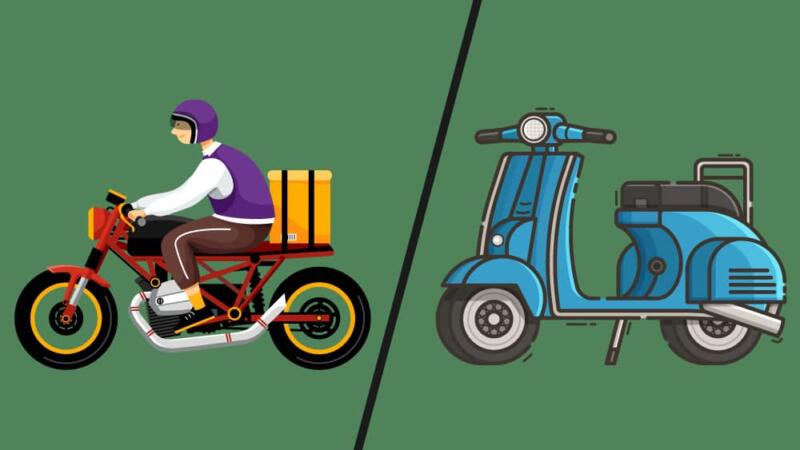
    Buy a scooter if you’re a short trip, city commuter, but if you’re after long highway rides or something fun to ride, buy a motorcycle. Scooters are much easier to ride with an automatic transmission and are fantastic for cities, whilst motorcycles are almost always manual transmission and are able to travel at highway speeds.

    Whilst scooters have a lot of similarities to motorcycles, there are some key differences that might make one more beneficial than the other. Let’s break down the similarities and differences to help you make a decision.

    Difficulty of operation On Scooter vs. Motorcycle

    ScootersMotorcycles
    TransmissionAutomaticManual
    BrakingFront and Rear Joined with a Single LeverFront Brake and Rear Brake Separate Operation
    Learning Time2 – 4 Hours1 – 2 Months

    This is a key difference between the two. Scooters are much easier to ride than motorcycles, especially for beginners. With a throttle, single brake for front and rear brakes, and automatic transmission, scooters are simple enough that new riders are usually able to feel confident riding within their first few hours.

    Motorcycles, on the other hand, are harder to learn for newer riders, taking most a few months before they would be comfortable to do any city riding. Unlike the scooter, a motorcycle has a manual transmission meaning you will need to change gears. Additionally, your brakes are split between a front brake and a rear brake. This is something different for most of us car drivers who have never considered a split braking system. Also, a motorcycle’s throttle is far more reactive/sensitive than a scooter’s throttle which does take some time to get used to.

    Seating Positions

    There is a big difference in the seating position between a scooter and a motorcycle. Scooters almost only have one seating position, which is extremely upright and with your feet sitting within the confines of the scooter itself. When seated on a motorcycle you are literally mounting the bike with your feet on either side. Depending on the style of motorcycle you are either sitting upright or leaning forward. A motorcycle’s seating position is more similar to a bicycle.

    Motorcycle riders have the ability to control where their body is in regards to controlling the bike. This is hugely beneficial for cornering and can be used in conjunction with counter-steering. A scooter rider only really works in 2-dimensions with turning the handle-bars towards where to go.

    Licencing, Rules & Regulations of Scooters and Motorcycle

    Disclaimer: The licensing advice provided below is general in nature, please contact your local department of transport for specific information.

    The licensing and rules for a motorcycle are different than that of a scooter. Almost all countries allow you to ride a scooter with a normal car license, whilst motorcycles require an additional license to be operated. To receive your motorcycle license, you are required to undergo both a theoretical and practical riding test in order to demonstrate your ability. Expect the maneuvers to include emergency stops, figure 8s, dodging, and weaving.

    Fuel Economy of a Scooter vs. Motorcycle

    The fuel economy of a motorcycle or scooter depends on the size of its engine. With scooters being typically 50CC and motorcycles being anywhere between 125CC and 1200CC, scooters are clearly the more fuel economical vehicle.

    The fuel economy of a 50CC scooter is better than that of a motorcycle. Scooters can travel up to 300 miles on one gallon, whereas motorcycles are at the lower end of this spectrum with around 100-150 miles per gallon. It’s worth noting that these numbers will heavily vary depending on the size of your motorcycle engine.

    Top Speeds & Acceleration On Scooter vs. Motorcycle

    Similar to fuel economy, the top speed and acceleration of a vehicle are very similarly linked to the engine size of the vehicle. Therefore even the smallest motorcycle at 125CC is going to have a faster acceleration than a scooter at 50CC.

    Top speeds On Scooter vs. Motorcycle

    The maximum speed of a motorcycle is typically around 100-120mph, while the max for scooters is about 70mph. This is the key reason scooters are not allowed on highways in most countries.

    Acceleration On Scooter vs. Motorcycle

    The 125cc motorcycle will be able to accelerate from 0-60 miles per hour in around 11 seconds, making it a great vehicle for taking on highways and open roads where acceleration is important. The scooters, on the other hand, will typically take anywhere from 15-25 seconds to accelerate to such speeds.

    Of course, larger 600+ CC motorcycles will do 0-60 miles per hour even faster!

    Popularity

    The popularity of motorcycles in the west is on a decline, with only about 20% of new motorcycle sales going to first-time buyers. In Asia and other countries that are less developed than the US or UK, scooters make up between 60%-90% of all vehicle purchases, which is huge!

    Carrying & Storage Options on Scooter vs. Motorcycle

    Scooter Carrying & Storage Options

    Scooters have the ability to store items under the seat, which is great for those who want to carry things with them. The storage capacity of scooters will be anywhere from 700-1400 cubic inches which are just large enough to take a scooter helmet, a small backpack, or a single bag of groceries.

    Motorcycle Carrying & Storage Options

    Motorcycles really don’t have any storage and you’ll need to buy saddlebags, a top box, or something of the sort in order to carry anything on it! Therefore, that’s why you often see motorcyclists carrying their helmets around with theWhilst saying that, the expandable storage that motorcycles give you is far larger than what you could attach to a scooter.

    Gear needed for Scooters vs. Motorcycles

    When it comes to gear requirements for scooters and motorcycles, you’ll find everyone has a different opinion. Ultimately, the only gear you ‘have to wear’ is the gear that is legally required in your country. Let’s break down the different gear items and whether or not they should be worn (my opinion of course):

    ScooterMotorcycle
    HelmetOpen face Essential, Full Face RecommendedFull Face Essential
    JacketRecommendedEssential
    PantsJeans will be fineRecommended
    BootsNot RequiredEssential
    GlovesNot RequiredEssential
    The Above is my Opinion. We are all Adults, Make your Own Informed Decisions.

    Conclusion

    So, which should you buy?

    Ultimately, it depends on your needs and what you want to get out of riding.

    Scooters are more suited to short commutes with their automatic transmission is hella easy for anyone to learn, whereas motorcycles offer a lot more variety in terms of speed and distance traveled depending on whether they’re manual or not as well as being able to go a little faster than scooters.

    So whichever you choose just make sure that you test drive them first before purchasing one!

  • What Motorcycle to get for Daily Commuting, Touring, Off-Roading and More!

    What Motorcycle to get for Daily Commuting, Touring, Off-Roading and More!

    Reading Time: 7 minutes


    With all the different types of motorcycles out there it can be difficult to find the perfect motorcycle for you. So we’ve created this blog post with a variety of articles on different types of bikes to help you make your decision!

    What motorcycle should I get if I want to commute daily?

    If you want to commute daily there are a few motorcycles that would be ideal. If you’re in a city and do a majority of your commuting during the week, then it’s probably best to get a smaller motorcycle engine like:

    1.) Honda Grom – 125 cc SOHC 4-valve liquid-cooled parallel-twin engine with intercooler. 3 carburetors. 5-speed transmission

    2.) Kawasaki Z125 Pro – 125 cc air-cooled single-cylinder four-stroke motor with automatic oil injection. 5-speed transmission

    3.) Honda CBR 300 – 296 cc liquid-cooled single-cylinder four-stroke motor. 5-speed transmission

    If you live in a particular city where the weather isn’t usually too cold or hot, then either of these bikes should suffice.

    As for if you want to do a majority of your commuting on the weekend and travel some during the week, then you would probably prefer a bigger bike so that you can make longer commutes. These motorcycles have larger engines that can go farther distances (when combined with gas mileage) and will be able to handle long days on the road.

    4.) Kawasaki Vulcan S – 649 cc parallel-twin engine with liquid cooling and fuel injection. 5-speed transmission (standard)  or 6-speed manual transmission is available for an added cost.

    5.) Honda CTX700N – 745 cc liquid-cooled V-twin engine with fuel injection. 6-speed transmission (standard)  or 7th gear added to the Kawasaki Vulcan S for an extra cost.

    What motorcycle should I get if this is my first bike?

    If you’ve never had a motorcycle before then it’s probably best to get a smaller motorcycle. This will make it easier to learn how to ride since they are lighter and more forgiving with the throttle. Some of the best smaller motorcycles to choose from are:

    1.) Kawasaki Z125 Pro – 125 cc air-cooled single-cylinder four-stroke motor with automatic oil injection. 5-speed transmission

    2.) Honda CBR 300r – 296 cc liquid-cooled single-cylinder four-stroke motor. 5-speed transmission

    3.) Yamaha YZ85 – 85cc 2 stroke carburetor single cylinder 2 wheeled motorcycle (no clutch, just an accelerator)  with a 4-speed transmission. *Note there is a new model of this bike coming out in 2017 that has been upgraded from the original…but we’re not sure what’s different about it yet.*

    These bikes can be ideal if you want to take things slow and learn how to ride before you get a bigger bike. You can still learn the basics of riding while still going fast enough on the highway or down dirt roads during your weekend excursions with friends.

    A lot of beginners make the mistake of getting their first motorcycle to be too big, however…and then give up trying to ride because it’s too difficult for them. Most people who quit will say it’s because they got something that was too heavy in weight compared to what they were used to riding before. It makes sense then, if this is your first bike, to go for something smaller so that if you decide later on that you like motorcycles, you can advance onto a larger bike at a later date when you feel more confident. Plus, if you’re going for your motorcycle license exam, having a smaller bike will help HEAPS with the maneuvers.

    What motorcycle should I get if I want an automatic transmission?

    Depending on what area you live in, there are a few motorcycles that have automatic transmissions. But if you’re looking for one that’s not too expensive, then your best bet would be to get the Yamaha YZ85 (like mentioned above under ‘what motorcycle should I get if this is my first bike?’).

    If money wasn’t an issue, then I would suggest the Kawasaki Vulcan S. It’s more expensive than the Yamaha YZ85, but it has a larger engine which means that you can travel longer distances and go on longer adventures during your weekends away with friends. Plus, if you’re wanting to do some traveling around the country once you have your motorcycle license (and are ready for a bigger bike), this is one of the only automatic transmission motorcycles that works well off-road and will be able to take you pretty much anywhere without any problems!

    What motorcycle should I get if I want more horsepower?

    If you like to go fast and do some racing or just really want to go crazy on the highway…then you’ll probably prefer a bigger bike. These bikes have larger engines which means they can generate more horsepower when asked for. Some of the best larger motorcycles to choose from are:

    1.) Yamaha FZ-09 – 847 cc liquid-cooled in-line 4 cylinder motor with fuel injection and an automatic transmission. The best thing about this bike is that it has a 6-speed transmission for upshift & downshift capability. However, if you want to customize things more then you can get the Yamaha FZ-09 with the close-ratio version for an extra cost.

    2.) Kawasaki Vulcan S (discussed above under ‘what motorcycle should I get if I want automatic transmission?’)

    What motorcycle should I choose if I’m wanting to do some off-road riding?

    If you’re looking at getting your class 2 or 3 license but are also interested in finding a good all-around motorcycle, then

    What motorcycle should I get if I’m interested in track racing?

    If racing on the track is your thing then you’re looking for two types of motorcycles: a superbike and a sports bike.

    Three great superbikes to choose from are:

    1. Kawasaki Ninja H2R
    2. Suzuki GSX-R1000
    3. BMW S1000RR.

    If you’re looking for something more affordable to start with, then check out the Yamaha R1 and KTM RC8 R.

    The three top sports bikes to look into are:

    1. The Ducati 1299 Panigale
    2. The Honda CBR 1000RR
    3. The Yamaha YZF-R1.

    You could also look at some of Kawasaki’s options like their ZX-10 models or their Ninja series (like I mentioned under ‘what motorcycle should I get if I want more horsepower?’).

    What motorcycle should I get if I want to go touring?

    If you’re looking into getting a bike to go traveling on, then make sure that it can handle both the highway and off-road conditions. There are a few options available if this is your priority:

    1.) Royal Enfield Himalayan  (the white version) – 535 cc single-cylinder petrol engine with fuel injection and an automatic transmission. This bike has been designed for tough touring conditions (even in extreme weather) and includes features like dual headlights, disc brakes at the front & back wheels, 5 gears…etc. Plus, they’ve had some really awesome reviews from customers who have tested it out already!

    2.) Kawasaki Versys 650   – 649 cc parallel-twin 4 stroke motor with fuel injection. The bike has a 6-speed semi-automatic transmission in it so you have some more control over your gear shifting. It also has front & rear disc brakes, fairly good suspension, and can go on for super long distances!
    3.) Honda CB500X  (discussed above under ‘what motorcycle should I get if I want automatic transmission?’)

    What motorcycle should I get if I want a cafe-racer bike?

    While there are quite a few bikes out there that you could get that fit into the cafe/bobber category, one of our favorites is Honda’s CB500X. It has the vintage look to it and can handle well off-road.

    That being said, here are three alternatives:

    1.) Kawasaki W800

    2.) Yamaha XSR700

    3.) Suzuki TU250X

    What motorcycle should I get if I’m interested in sport touring?

    For those of you who are interested in traveling at high speeds on tough terrain, then sport touring is the type of riding for you! Sport touring bikes usually have large engines and fairly good suspension so that they can handle going over most obstacles.

    There are a few great options out there for sport touring:

    – Kawasaki Versys 650

    – Honda CB500X

    – Suzuki TU250X

    What motorcycle should I get for off-roading?

    If you’re looking for a super rugged, off-road bike then check out the Royal Enfield Himalayan, or (if this is above your budget) try out the BMW F 700 GS.

    Two other options that are good if you want to go more extreme off-roading and do some light touring:

    1.) Ducati Multistrada 1200 Enduro  

    or

    2.) Honda CRF650L  

    These bikes can handle both long-distance riding and rough terrain! Plus they’re very comfortable to ride on for long distances.

    Conclusion

    Motorcycles can be a great way to get around or are perfect for those who just want more freedom. This blog post has covered the different types of motorcycles available and what they are best suited for so that you have an easier time finding your perfect match!

  • Motorcycle Rear Brake: When to Use Rear Brakes on a Motorcycle?

    Motorcycle Rear Brake: When to Use Rear Brakes on a Motorcycle?

    Reading Time: 7 minutes

    Trying to understand when to use your rear brakes, how much to use them and in what situations to use them, can be extremely confusing for a beginner. Additionally when you’re new to riding working one which situations front-brakes vs. rear brakes are best for can also be challenging.
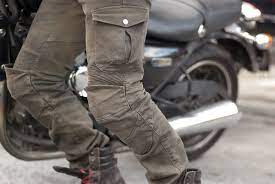
    Your motorcycle rear brake allows you to modulate speed around a corner. Additionally, rear brakes assist you to stop more quickly when used in conjunction with front braking than just relying on the front braking alone. The rear brake also allows you to perform maneuvers such as hill starts, u-turns, and coming to controlled stops. These maneuvers are almost impossible to do with front braking and using it around corners is extremely dangerous.

    Let’s explore the main situation you’d need to use rear brakes on a motorcycle in a little more depth and then we can unpack some other situations where it would also come in helpful.

    Use your rear braking to slow down around corners

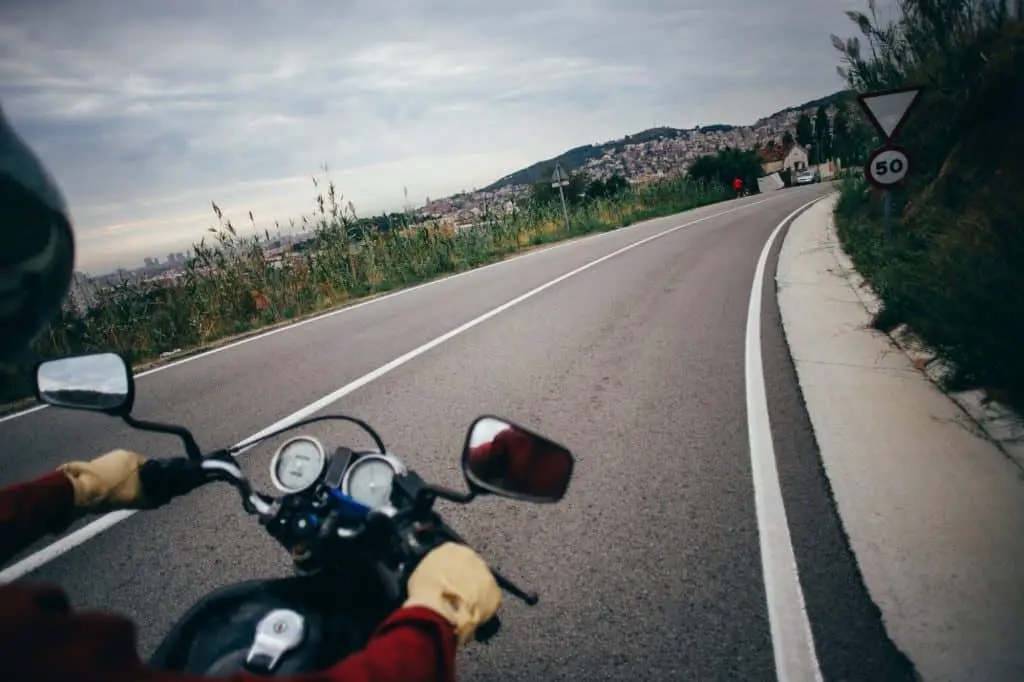
    POV motorcycle driver on empty road

    Every professional will tell you, “brake before the corner” and that if you’ve done everything right you shouldn’t be braking around a corner at all! But every motorcyclist will experience that “oh no” corner that they under-estimated.

    In these situations reaching for the front brakes is tempting but will almost always result in a crash. Instead, use your rear brake as softly as you can get away with. When slowing down during a corner use as little rear braking force as possible while still being able to not lose control of the bike. By using your rear brake you’re allowing your front tire to maintain traction with the road. Of course, the more weight is over the rear wheel the more you can use your rear brake.

    What to be careful of when rear braking around corners

    • Don’t get lazy: You should still be braking early & on the straight. Using your rear brake around a corner should only be done in emergency situations where you really can’t make the corner without slowing down. You’d hate for your rear wheel to lose traction around a corner!
    • Braking will lean your bike more: In the same as accelerating out of a corner makes your bike straighten up, braking or slowing down during a corner will make your bike want to lean over more.
    • Only use what can get away with: This is a very important point, use your rear brake around a corner as softly as you can get away with. If you were to slam on your rear brake during a corner it will result in a crash.

    Use your Rear Braking to assist Front Braking in emergency braking

    emergency braking on motorcycle

    Without a doubt, the fastest way to slow your bike down is to use both brakes together. Whilst reaching for your front brake lever will result in higher braking power, the braking power of both brakes working together is undoubtedly stronger than just using them alone.

    Should I use Rear Break or Front Brake First for emergency braking?

    Using both the front and rear brakes at the same time will result in the most brake power quickest. Without a doubt, front braking will be far more effective to slow your bike down so if you had to prioritize, use them first.

    Why does using Both Breaks Together make your Bike Slow Down Quicker?

    When you brake any vehicle, including a motorcycle, your brakes turn kinetic energy (movement of the wheels spinning) into heat energy (i.e friction on the brakes & wheels) (REF: ARTOFMANLINESS). By using front and rear brakes and having two brakes working together you’re dissipating the heat energy across two separate brake pads resulting in a larger surface area of friction. This means that your bike stops much faster.

    Use your Rear Braking to Perform Hill Starts & other Maneuvers

    Image from CycleWorld

    Hill Starts

    Your rear brake is critical when performing hill starts or really any maneuver that needs to begin from a braked stop. This is because it’s impossible to ease off your front brake lever and use the same hand to ease onto the throttle. It’s just too much for one hand to do. By using your rear brake (which uses your right foot) you can carefully release the brake whilst easing onto the throttle at the same time. This maneuver is only possible because you can pivot on your right foot and throttle your hand.

    Practice this in a parking lot. In certain situations, your left hand will also feather the clutch for different situations and depending on road conditions.

    U-Turns

    U-turns and slow riding maneuvers involve going slower than what would be possible without braking. It is important to note that your rear brake can be used in different ways and are not always there for breaking purposes. A rider will often use their back brake as a tool to help them steer while going around tight corners
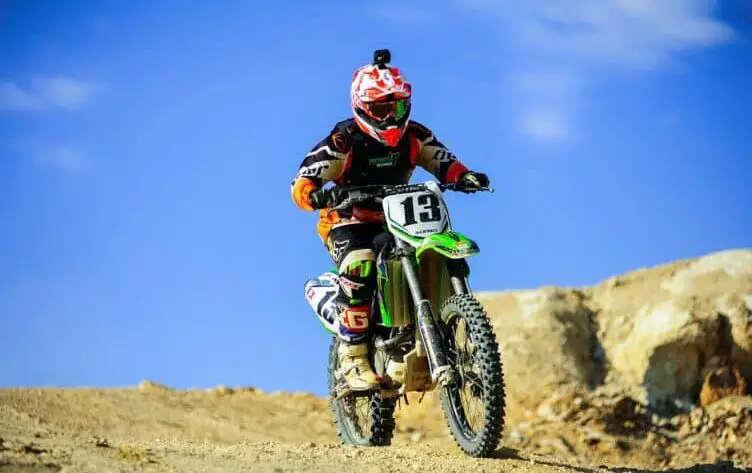
    By modulating the clutch, rear brake, and throttle a motorcyclist can keep their revs up whilst still traveling at enough slow speed to perform a u-turn. This maneuver requires rear tire control and is impossible to complete with front braking.
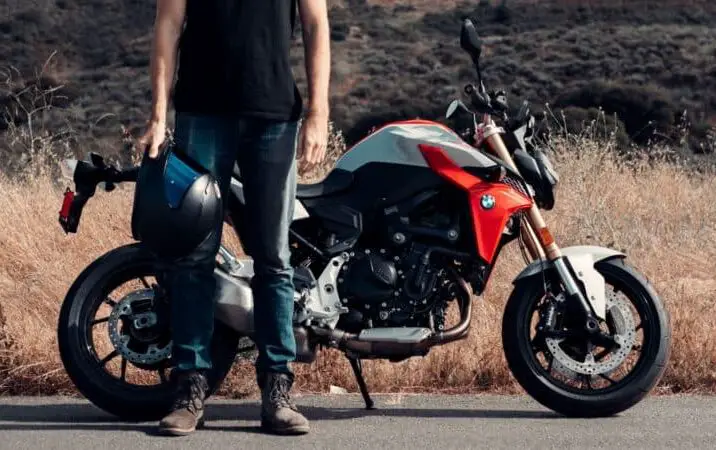
    Use your Rear Braking to transfer weight backward on your bike:

    Rear braking is used to transfer weight backward on your bike. How does this work? When the rear brake is applied, it takes some of the load off the front tire and transfers that weight to the back wheel which can be helpful in a number of situations including:
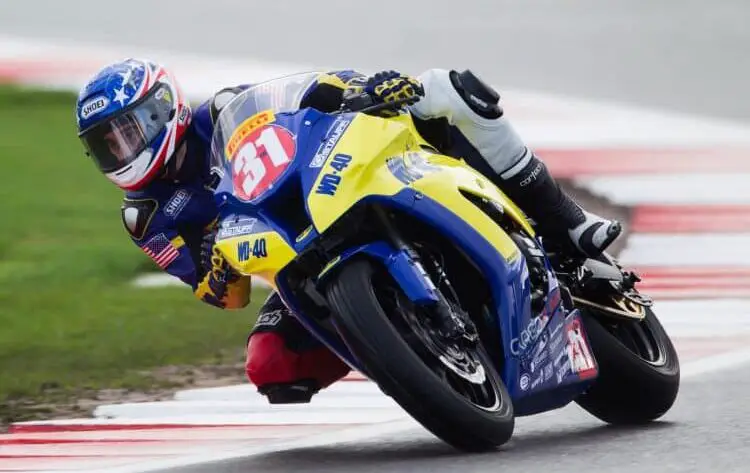
    1. When you need to keep traction on the rear tire such as going down a steep slope.
    2. When you are coming to a complete stop you won’t be loading the front suspension, resulting in less rebound on the stop. This means that your stops will be more controlled.

    When is it Better to use your Front Brake over your Rear Braking?

    It is better to use your front brake when you for all high-speed braking

    Your front brake will always be able to take more stopping force than your rear brake, this is mainly because your front suspension is working to absorb a lot of the bike’s force. So when you need to stop hard or quickly from higher speeds, priorities the front brake. That being said, using both brakes together would be more efficient than using just the front brake in an emergency braking situation. Of course, in an emergency situation make sure you avoid a front or rear wheel lockup.

    It is better to use your front brake when you need to transfer more weight forward on your bike

    If the terrain requires more traction on the front tire, using your front brake will do this. There isn’t any situation where you’d want your front wheel loaded, but it is an important concept to understand.

    Final Thoughts…

    I hope this article has helped you understand when and how to use your rear brake and how that affects your rear tire traction. If it did, please share with a friend who may need the help as well with rear wheel braking! and be sure to check out 25 tips for first-time motorcyclists.

    Whether you’re on dirt bikes or touring bikes, using the rear brakes helps you understand weight transfer on a motorcycle. Learning motorcycle braking is one of the most useful skills you can learn. It is up there with counter steering, the ability to keep your throttle steady and any other advanced technique.

  • Life Expectancy Of A Motorcycle: How Long Does A Motorcycle Last?

    Life Expectancy Of A Motorcycle: How Long Does A Motorcycle Last?

    Reading Time: 9 minutes

    It is a question that many motorcycle owners ask themselves: “How long will my bike last?” The short answer is, that your motorcycle should last 12-15 years if it is well cared for and maintained & your engine should last 50,000 miles before you need to look at a replacement.

    Let’s dive right into increasing that mile count!

    Key Takeaways

    • Regular maintenance and care, riding habits, type of engine, cooling method, and weather conditions all affect how long a motorcycle lasts.
    • Taking care of your bike through regular oil changes and inspections can help it last for at least 50,000 miles or more.
    • Riding responsibly and replacing worn – out parts contribute to the longevity of a motorcycle.
    • Signs of wear and tear such as decreased fuel efficiency or unusual noises may indicate the need for repairs.

    Factors Affecting the Life Expectancy of a Motorcycle

    Regular maintenance and care, riding habits, type of engine, cooling method, and weather and environmental conditions all play a significant role in determining the lifespan of a motorcycle.

    Regular maintenance and care

    Taking care of your bike is key to making it last. Think of your motorcycle like a pet. Just like pets need food and water, motorcycles need oil and gas. If you keep the engine clean, it will run better.

    Oil changes should be done often. The bike’s chain needs care too; keep it well lubed so that it doesn’t get rusty or stuck. Make sure to check other parts for wear and tear, such as brake pads and tires.

    Your ride needs love just like a pet!

    Riding habits

    How you ride your bike can change how long it lasts. If you like to go fast and push your motorcycle hard, it may not last as long. Riding at high speeds uses more of the engine’s life.

    Also, fast stops and starts wear out the brake pads and other motorcycle parts quicker.

    Consistent riding is good for your bike too. Letting a bike sit without use can cause problems in the engine and other components. Your motorcycle needs work to stay in good shape.

    A used motorcycle that has been ridden often will likely be more reliable than a low mileage one that hasn’t been used much.

    Type of engine

    The engine’s type plays a big role in how long a motorcycle lasts. Dirt bikes and sports bikes often have different engine lives. This is because they are used in different ways and need separate care.

    Light parts and high squeeze help make motorcycle engines last longer. The quality of the stuff used to build it, its design, and how it’s made also impact an engine’s life. So, knowing what kind of bike you have is key to understanding its average life expectancy.

    Cooling method

    The cooling method used in a motorcycle can affect its lifespan. Air-cooled bikes tend to have shorter lifespans because they need more space for the higher temperatures they operate at.

    This can lead to increased wear and tear on the engine over time. On the other hand, liquid-cooled motorcycles generally have longer lifespans compared to air-cooled ones. The use of coolant helps regulate engine temperature and reduces stress on critical components, which can prolong the life of the bike.

    So, it’s important to consider the cooling method when choosing a motorcycle if you want it to last longer.

    Weather and environmental conditions

    Extreme weather conditions, like very cold temperatures, can have an effect on how long a motorcycle lasts. Starting the bike in freezing weather can be tough on its engine and other components.

    Adverse weather conditions, such as heavy rain or snow, can also make riding more dangerous and increase the risk of accidents. So it’s important to consider the weather and environmental conditions when thinking about the lifespan of your motorcycle.

    How to Extend the Lifespan of a Motorcycle

    To extend the lifespan of a motorcycle, regular oil changes and routine maintenance are crucial. Proper storage, replacing worn-out parts, riding safely and responsibly, as well as routine lubrication and cleaning also contribute to the longevity of a motorcycle.

    Regular oil changes

    To keep your motorcycle running smoothly and extend its lifespan, it’s important to regularly change the oil. Here are some key points to remember:

    • Changing the oil is crucial for ensuring the longevity of your bike.
    • Mineral oil should be changed every 2,000 – 3,000 miles.
    • Semi-synthetic oil should be changed every 5,000 – 6,000 miles.
    • Synthetic oil can last longer and should be changed every 7,000 – 10,000 miles.
    • Regularly checking and replacing engine oil helps prevent damage and keeps the bike running at its best.
    • Proper maintenance, including regular oil changes, can help your bike last for 50,000 miles or more.

    Proper storage

    Proper storage is crucial for maximizing the lifespan of your motorcycle. When winter comes, it’s essential to winterize and store your bike correctly to protect it from the cold weather.

    If you have a garage, make sure it’s secure and preferably unheated. Take specific precautions like covering the motorcycle with a waterproof cover to shield it from rain or snow. Also, if you plan on storing your bike for an extended period, follow specific steps recommended by experts.

    By taking these measures, you can help ensure that your motorcycle stays in good condition and lasts longer.

    Replace worn-out parts

    To extend the lifespan of your motorcycle, it’s important to replace worn-out parts regularly. Here are some key parts that may need replacing:

    1. Tires: Replace tires when the tread starts to wear down or when they become old. Motorcycle tires can last up to 10 years, but factors like mileage and riding conditions can affect their lifespan.
    2. Brakes: Inspect brake pads regularly and replace them if they are worn down. Worn-out brake pads can compromise your ability to stop safely.
    3. Chain and sprockets: Keep an eye on your chain and sprockets as they wear over time. Replace them if you notice excessive slack in the chain or worn teeth on the sprockets.
    4. Spark plugs: Replace spark plugs according to your manufacturer’s recommendations or if you notice decreased performance or poor fuel efficiency.
    5. Filters: Regularly clean or replace air filters to ensure proper airflow to the engine. Fuel filters may also need replacement depending on usage and maintenance schedule.
    6. Fluids: Check fluid levels like coolant, brake fluid, and oil regularly, and replace them as needed following your manufacturer’s guidelines.

    Ride safely and responsibly

    Riding safely and responsibly is essential for every motorcycle rider. It’s important to remember that motorcycles are less stable than cars, making them more prone to accidents. To minimize the risk of crashes, always ride defensively and be aware of your surroundings.

    Wearing a helmet is crucial as it significantly reduces the chance of fatalities in case of an accident. Additionally, practicing good riding habits like maintaining a safe distance from other vehicles and obeying traffic laws can help prevent accidents.

    By being responsible on the road, both motorcyclists and other motorists can work together to create a safer environment for everyone.

    Routine lubrication and cleaning

    To keep your motorcycle running smoothly and extend its lifespan, it’s important to regularly lubricate and clean various parts. Here are some tips:

    1. Lubricate the chain: The chain links need to be properly lubricated to reduce friction and prevent wear. Use a high-quality chain lubricant and apply it evenly along the entire length of the chain.
    2. Clean the chain: Over time, dirt, grime, and debris can accumulate on the chain. Cleaning it regularly with a chain cleaner and a brush will help maintain its performance and prevent premature wear.
    3. Check and lubricate cables: Inspect the throttle, clutch, and brake cables for any signs of fraying or damage. Apply a small amount of cable lubricant to ensure smooth operation.
    4. Grease moving parts: Components such as bearings, pivots, and suspension linkages should be greased periodically to avoid corrosion and keep them functioning properly.
    5. Clean air filter: A dirty air filter restricts airflow to the engine, leading to reduced performance. Regularly clean or replace the air filter according to your motorcycle’s manual.
    6. Maintain proper fluid levels: Check the levels of coolant, brake fluid, and oil regularly as per manufacturer recommendations. Topping up or replacing fluids when needed keeps your motorcycle running optimally.
    7. Clean the exterior: Regularly washing your motorcycle not only keeps it looking good but also prevents dirt from causing corrosion or damaging paintwork.

    Signs of Wear and Tear and When Repairs are Needed

    Common signs of wear and tear on a motorcycle include engine misfires, decreased fuel efficiency, unusual noises or vibrations, and difficulty starting the bike. If these issues persist or worsen, it may be necessary to seek repairs from a professional mechanic.

    Common problems and their implications on lifespan

    Common problems can have a big impact on how long your motorcycle will last. If you ignore signs of wear and tear or neglect regular maintenance, it can lead to bigger issues down the line.

    For example, engine problems like oil leaks or overheating can cause serious damage and shorten the lifespan of your bike. Electrical issues such as faulty wiring or battery problems can also affect performance.

    Problems with brakes, suspension, and tires not only make riding unsafe but can also lead to accidents if not addressed promptly. It’s important to stay vigilant and address any issues as soon as they arise to keep your motorcycle running smoothly for years to come.

    Manufacturer impact

    The manufacturer of a motorcycle can have a big impact on its lifespan. Some manufacturers are known for making high-quality bikes that last longer, while others may not be as reliable.

    It’s important to do your research and read reviews before buying a motorcycle from a particular manufacturer. Look for brands that have a good reputation for durability and longevity.

    Additionally, the availability of replacement parts and service records for a specific brand can also affect how long your bike will last. Make sure you choose a manufacturer that provides easy access to replacement parts and has good customer support.

    Conclusion

    In conclusion, the life expectancy of a motorcycle depends on various factors such as regular maintenance, riding habits, and the type of engine. With proper care and attention, a well-maintained motorcycle can last for over 50,000 miles or even longer.

    Remember to ride safely, follow routine maintenance practices, and replace worn-out parts to ensure your motorcycle’s longevity. By taking these steps, you can enjoy many years of riding pleasure with your bike.

    FAQs

    1. How long does a motorcycle last?

    A well-maintained motorcycle’s lifespan can be tens of thousands of miles. Most motorcycles have high mileage if proper bike maintenance, like routine oil changes, is done.

    2. What impacts the life expectancy of a motorcycle?

    The engine life and overall motorcycle longevity depend on multiple factors — how you ride, your bike’s condition, poor or good maintenance practices and even the paint job could affect its shelf life.

    3. Can my riding style affect my bike’s engine life?

    Yes, aggressive riding or always being in low gear can lower your bike’s system health and engine’s longevity.

    4. Are some bikes known to last longer than others?

    Certain models like BMW motorcycles are renowned for being reliable with expected high performance over other types of bikes.

    5. Does high mileage mean a worn-out motorcycle?

    No! A used motorbike with higher mileage but was well looked after may outlast a lower-mileage one that suffered from poor maintenance.

    6. Can idling damage my motorcycle’s engine?

    Engine idling for too long isn’t bad just for small engines or car engines but all the critical systems in modern bikes as it might lead to overheating.